




Choosing Your Saplings
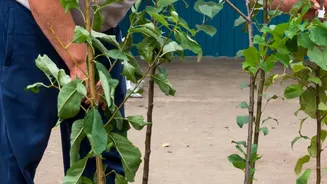
Your journey begins at the nursery. Most kiwifruit varieties are dioecious, meaning you need separate male and female plants for fruit production. The female plants bear the fruit, while the male plants provide the essential pollen. A good rule of thumb
is to plant at least one male vine for every six to eight female vines to ensure successful pollination. For home gardens, one of each is usually sufficient. In India, several varieties thrive in temperate and sub-temperate climates, particularly in hilly regions. The 'Hayward' variety is the most common green kiwi, known for its large fruit and good storage life. Other popular female varieties include 'Abbott', 'Allison', and 'Bruno'. For pollination, 'Tomuri' is a common male variety that pairs well with 'Hayward'. If space is a major constraint, you might look for a self-fertile variety like 'Issai', though these are less common.
Finding the Perfect Spot
Kiwifruit vines are vigorous climbers and need two things to flourish: ample sunlight and sturdy support. Select a location in your garden that receives at least six to eight hours of direct sunlight per day. In hotter regions, a spot with morning sun and some afternoon shade can be beneficial. It is also crucial to protect the vines from strong winds, which can damage the plant and its delicate flowers. Since these vines can grow quite large and heavy with fruit, you must install a robust support system before planting. A T-bar trellis or a sturdy pergola are the most common structures used. This framework will not only support the vine's weight but also help with air circulation and make pruning and harvesting much easier.
Planting and Soil Preparation
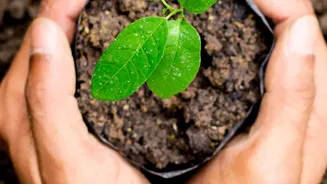
Kiwis thrive in deep, fertile, and well-drained soil. They are susceptible to root rot, so heavy clay soil that retains too much water should be avoided. The ideal soil is a sandy loam with a slightly acidic pH between 5.5 and 6.5. Before planting, prepare the site by digging a hole that is twice as wide as the sapling's root ball. Mix the excavated soil with plenty of organic matter like well-decomposed farmyard manure or compost to enrich it. Planting is best done in the spring after the risk of frost has passed. Gently place the sapling in the hole, ensuring it sits at the same depth it was in the nursery bag. Backfill the hole with the amended soil, firm it gently around the base, and water thoroughly to settle the plant.
Watering, Mulching, and Feeding
Consistent moisture is key, especially during the active growing season and when the fruit is developing. Water the vines deeply about once a week during dry spells, but be careful not to overwater. Applying a layer of organic mulch, such as dry leaves or grass clippings, around the base of the plant can help retain soil moisture, regulate temperature, and suppress weeds. Kiwifruit vines are heavy feeders. A balanced fertiliser should be applied regularly during the growing season. Generally, a basal dose of farmyard manure is recommended annually, along with a balanced NPK fertiliser. The fertiliser is often applied in split doses, once in late winter and again after the fruit has set.
Pruning for a Healthy Harvest
Pruning is one of the most critical tasks in kiwi cultivation, as it encourages fruit production and keeps the vigorous vine manageable. Kiwis bear fruit on the current season's growth that comes from one-year-old wood. Pruning is done twice a year. The main pruning happens in late winter when the vine is dormant. During this time, you should remove old canes that have already fruited and select new, healthy canes to form the fruiting wood for the upcoming season. Summer pruning involves trimming back excessive vegetative growth to allow more sunlight to reach the developing fruit and improve air circulation, which helps prevent diseases.
Patience and the First Fruit
Growing kiwifruit is an exercise in patience. After planting your saplings, it typically takes three to five years for the vines to mature and start bearing fruit. During the initial years, focus on establishing a strong root system and training the vine onto its support structure. The wait is well worth it, as a mature female vine can be highly productive for many years, offering a generous supply of delicious, homegrown fruit each autumn. Once harvested, fruits that are still firm can be stored in the refrigerator for several weeks and allowed to ripen at room temperature as needed.