


What Exactly Is 'Swicy'?
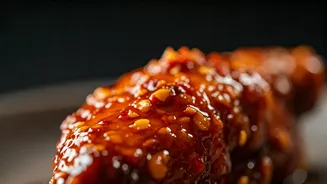
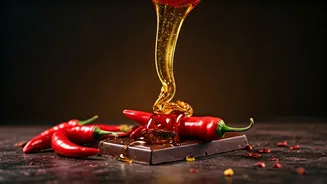
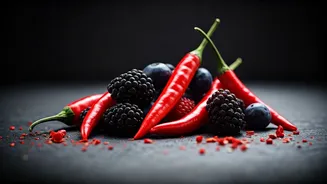
The term ‘swicy’ is a simple portmanteau of ‘sweet’ and ‘spicy’, and it describes a flavour profile that is currently taking the global food scene by storm. [7] Think of viral sensations like hot honey drizzled on fried chicken, mango habanero sauces,
or chili-infused chocolate. [1, 9, 18] It's a culinary balancing act where sweetness tempers the fire of spice, and the heat cuts through the sugar, creating a complex, layered taste that keeps you coming back for more. [7] This combination is not just about overwhelming heat; it’s about creating an addictive harmony of contrasting sensations. [18] Major brands and social media influencers alike have jumped on board, making 'swicy' one of the most significant flavour shifts in recent years. [1, 10]
An Ancient Culinary Philosophy
Long before 'swicy' became a hashtag, its principles were deeply embedded in Indian culinary philosophy, particularly in Ayurveda. The ancient concept of 'Shad Rasa', or the six tastes (sweet, sour, salty, pungent, bitter, and astringent), dictates that a perfectly balanced meal should contain all six to ensure complete nourishment and satisfaction. [5, 6, 15] In this framework, 'madhura' (sweet) and 'katu' (pungent/spicy) are two of the core tastes. [11] The Ayurvedic approach understands that combining these tastes does more than just please the palate; it supports digestion and balances the body's energies. [6, 15] This isn't about chasing trends, but about a deep, millennia-old understanding of how flavours interact to create harmony, both on the plate and within the body. [13]
A Flavour Map of India
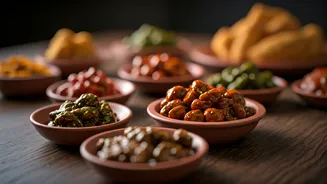
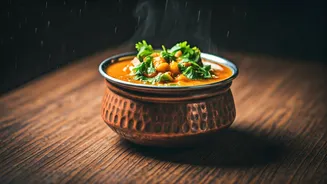
Travel across India, and you'll find 'swicy' in almost every regional cuisine. In Gujarat, the beloved 'farsan' snacks are famous for their perfect blend of sweet, spicy, and tangy notes. [25, 26] Dishes like Patra, made from colocasia leaves smeared with a spiced gram flour paste, deliver a delightful sweet and sour kick. [28] Head east to Bengal, and you'll discover a world of sweet and spicy chutneys. Bengali tomato chutney, often made with dates ('khejur'), combines the sweetness of fruit and sugar with the pungent kick of panch phoron and dried red chillies, traditionally served to cleanse the palate before dessert. [2, 12, 17] In Parsi kitchens, the iconic Dhansak is a masterclass in flavour complexity, a stew of lentils, meat, and vegetables that derives its unique sweet, sour, and spicy profile from ingredients like pumpkin, jaggery, tamarind, and a special masala blend. [8, 20, 24] Even the famous Goan Vindaloo, known for its heat, traditionally has a hint of sweetness from jaggery to balance the fiery chillies and sour vinegar. [27]
From Street Food to Daily Meals
The sweet and spicy combination isn't just reserved for elaborate meals; it's a cornerstone of everyday Indian food. Think of the ubiquitous tamarind ('imli') chutney served with samosas and chaat, providing a sweet and tangy counterpoint to the spicy filling and savoury crunch. The simple act of sprinkling salt and chilli on a slice of fresh guava or pineapple is a perfect example of 'swicy' in its most natural form. Pickles and preserves, a staple in every Indian household, masterfully use sugar and jaggery to balance the heat of chillies and the sourness of mangoes or limes. This flavour combination is so deeply ingrained in our culinary DNA that we often don't even think about it—it’s simply the way food is meant to taste.