
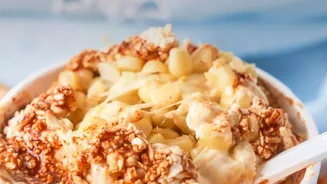
A Ritual Forged in Rain and Coals
The arrival of the monsoon transforms the Indian streetscape. Alongside puddles and vibrant green foliage, the bhuttawalla appears, becoming a fixture on street corners and market lanes. Armed with a small cart and a heap of fresh corn, these vendors
use a simple coal furnace to perform a ritual beloved by millions. The air fills with the crackle of roasting husks and a smoky aroma that is inextricably linked with a rainy day. Watching the vendor fan the glowing embers and expertly turn the cobs until they are perfectly charred is a classic scene that evokes a deep sense of nostalgia and comfort. For many, this isn't just about buying a snack; it's about participating in a cherished seasonal tradition. The simple act of huddling under an awning, waiting for your bhutta as the rain falls, is an experience in itself.
The Irresistible Flavour of Simplicity
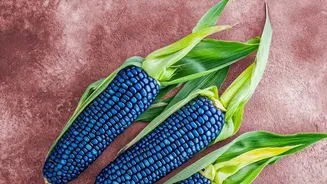
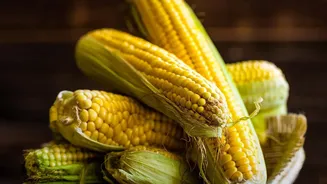
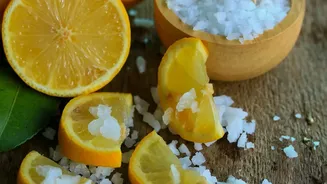
What makes bhutta so special is its uncomplicated yet powerful flavour profile. The process uses desi makai, a local variety of corn that is less sweet and has a satisfyingly chewy texture compared to other types. Roasted directly over hot coals, the corn acquires a smoky taste that is impossible to replicate at home. But the magic truly happens after the roasting. The vendor takes half a lemon, dips it into a potent mixture of salt, red chilli powder, and sometimes other masalas, and rubs it generously over the hot, charred kernels. This combination of smoky, tangy, spicy, and salty flavours creates a taste that for many, is the very essence of the monsoon. It’s a full sensory experience where the warmth of the cob contrasts with the cool air and the zesty flavours cut through the humidity.
Why Bhutta Endures While Trends Fade
In an era of gourmet popcorn, loaded fries, and an endless parade of Instagram-worthy cafe snacks, the humble bhutta holds its own. While trends come and go, the appeal of roasted corn is rooted in something deeper: authenticity and experience. Unlike many modern snacks that can be overly processed or complicated, bhutta is natural and straightforward. It is also widely considered a healthier choice compared to deep-fried alternatives like samosas and pakoras, which are also popular during the monsoon. Being roasted instead of fried means it’s a relatively guilt-free indulgence. This, combined with its affordability, makes it a truly democratic snack enjoyed by people from all walks of life across the country.
A Taste of Nostalgia and Connection
More than just its taste or health benefits, bhutta's enduring popularity comes from the memories it carries. It is the flavour of childhood holidays, evening walks with family, and long drives through the countryside. The shared experience of stopping at a roadside stall and enjoying a hot bhutta brings people together, transcending generational divides. It’s a snack that doesn’t require a special occasion or a fancy setting. You don’t plan for a bhutta the way you book a table at a restaurant; you simply stumble upon it, often when you’re seeking shelter from the rain, and it instantly makes the moment better. This spontaneity and the powerful emotional connection it evokes are things that fleeting, trendy snacks struggle to replicate.