
More Than Just an Unpleasant Smell
Pet owners often dismiss bad breath, or halitosis, as a simple fact of life. However, a strong, persistent, and foul odour is not normal. While the scent of a recent meal is temporary, the smell associated with dental problems lingers and worsens over
time. This odour is caused by an overgrowth of harmful bacteria in your pet’s mouth. These bacteria are the primary culprits behind plaque, a sticky film that constantly forms on teeth. If not removed, this plaque hardens into tartar, creating a breeding ground for more bacteria and leading to significant health issues. Ignoring halitosis is like ignoring a smoke alarm; it’s a clear indication of an underlying problem that requires investigation.
The Hidden Culprit: Periodontal Disease
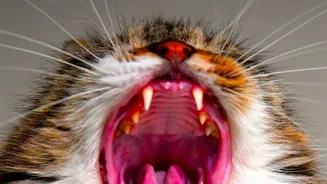
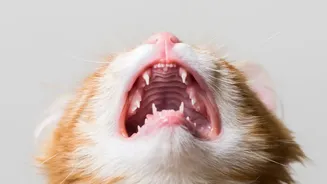
The most common cause of chronic bad breath in pets is periodontal disease, an infection and inflammation of the tissues surrounding the teeth. By age three, up to 80% of dogs and 70% of cats show signs of this condition. The disease begins with gingivitis, where the gums become red, swollen, and may bleed. As bacteria multiply below the gumline, the condition progresses to periodontitis, which destroys the ligaments and bone that support the teeth. This process is often painful, but pets are masters at hiding their discomfort. You may not see obvious signs until the disease is already advanced, which is why bad breath serves as such a crucial early warning.
A Gateway to Systemic Health Problems
The dangers of periodontal disease are not confined to the mouth. The chronic inflammation allows harmful bacteria to enter the bloodstream. Once circulating, these bacteria can travel to and damage vital organs. Studies have linked advanced dental disease in pets to serious systemic health issues, including heart, kidney, and liver disease. The body's constant immune response to the oral infection also puts a strain on its overall resources, which can worsen other existing conditions like diabetes. Treating bad breath isn’t just about making cuddles more pleasant; it's about protecting your pet's long-term health and well-being.
What Happens During a Professional Inspection
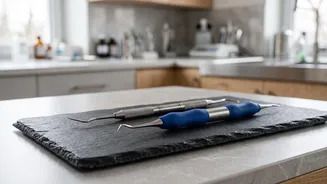
A professional dental inspection and cleaning is a thorough medical procedure, not a cosmetic one. To ensure your pet's safety and comfort, and to allow for a complete examination, it is performed under general anaesthesia. While your pet is safely monitored, the veterinary team performs a multi-step process. This includes a full oral exam to check for abnormalities, probing the gums to identify periodontal pockets, and taking full-mouth dental X-rays to see problems lurking below the gumline, like root abscesses or bone loss. The veterinarian then uses specialized ultrasonic and hand-scaling tools to remove all plaque and tartar from above and below the gumline, a critical step that cannot be done on a conscious pet. Finally, the teeth are polished to create a smooth surface that discourages new plaque from sticking.
Other Warning Signs to Watch For
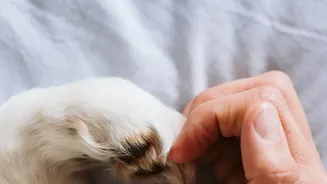
While bad breath is a primary indicator, other signs of dental distress can help confirm a problem. Pay attention to changes in your pet’s behaviour and look for physical symptoms such as red, swollen, or bleeding gums, and yellow or brown tartar buildup on the teeth. Behavioural clues can include difficulty chewing, dropping food, chewing on only one side of the mouth, or a reluctance to eat hard food. You might also notice excessive drooling, pawing at the face, or a new reluctance to play with chew toys. Some pets may become withdrawn or irritable due to chronic pain.
Prevention and At-Home Care
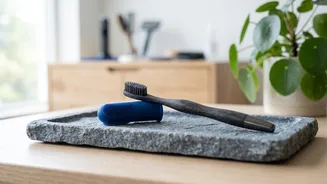
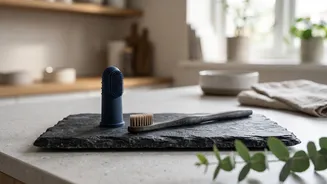
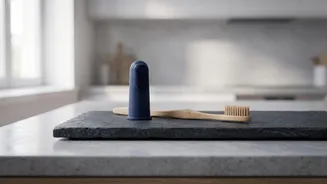
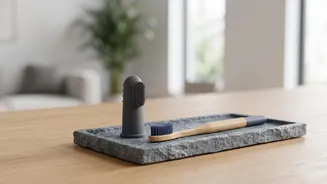
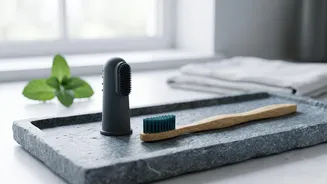
While a professional cleaning is necessary to treat existing disease, you can take steps at home to prevent it. Daily tooth brushing with pet-specific toothpaste is the most effective way to remove plaque before it hardens. If brushing isn't feasible, veterinarian-approved dental diets, chews, and water additives can help reduce plaque and tartar accumulation. Annual veterinary check-ups should always include an oral exam, allowing your vet to recommend a professional cleaning when it becomes necessary. Proactive care is the key to minimizing the need for more extensive dental work down the road.