





The Refill Revolution Goes Mainstream
The single biggest shift making sustainable beauty more practical is the boom in refillable packaging. Once a niche concept, major Indian and global brands are now offering everything from lipstick to shampoo in refillable formats. Instead of tossing
the entire container, you now keep the stylish outer case and simply purchase a replacement pod or pouch, which often comes at a lower price point. This system significantly reduces plastic waste and encourages brand loyalty. In India, brands like asa Beauty have championed refillable models for luxury makeup, while others are exploring in-store refill stations, making the process even more seamless for consumers. This trend is a win-win: you get to keep beautiful packaging on your shelf while cutting down on both cost and environmental impact.
Waterless Wonders and Solid Formulas
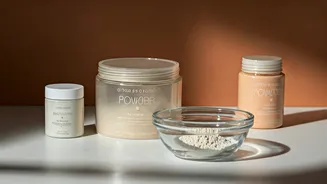
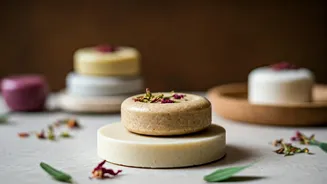
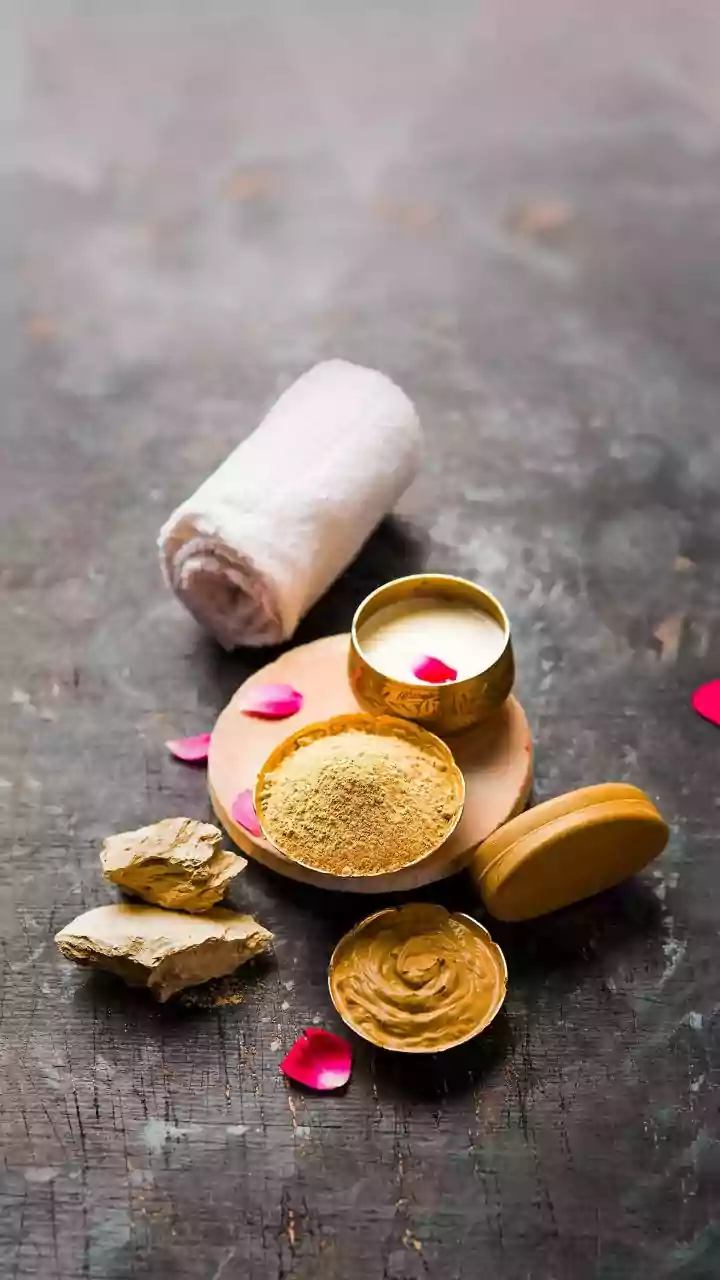
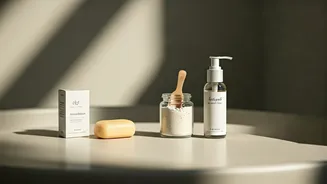
Another major trend making waves in 2026 is waterless or anhydrous beauty. Traditional products can be up to 90% water, which requires larger packaging, heavier shipping, and chemical preservatives. By removing water, brands are creating highly concentrated solid bars, powders, and balms. Think shampoo bars, cleansing powders that lather on contact with water, and solid moisturiser sticks. These products are not only better for the planet due to reduced water consumption and minimal packaging, but they are also incredibly practical. They are lightweight, perfect for travel, and often last much longer than their liquid counterparts, offering better value for money. With the waterless cosmetics market projected to be valued at over USD 13 billion in 2026, this category is moving from a niche trend to a bathroom staple.
Biotechnology: Sustainable and Scientific
Science is playing a huge role in making beauty more sustainable without sacrificing performance. Biotechnology allows labs to create nature-identical ingredients that are both effective and eco-friendly. For instance, instead of over-harvesting rare plants for a specific extract, scientists can now bio-ferment it, ensuring a pure, stable, and sustainable supply. This approach also applies to ingredients that were once sourced unethically, like squalane from shark livers, which is now commonly derived from sustainable sugarcane. These lab-grown actives are often more potent and less irritating, delivering better results with a smaller environmental footprint. This fusion of science and nature means consumers no longer have to choose between high-performance and eco-conscious values.
Upcycled Ingredients and Smarter Packaging
The principle of “waste not, want not” is now a driving force in the beauty industry. Brands are increasingly using upcycled ingredients—turning byproducts from food and agriculture, like fruit seeds and coffee grounds, into valuable skincare actives. This circular approach minimizes waste and creates effective, novel ingredients. On the packaging front, innovations are moving beyond just recyclability. Brands in India are using materials like biodegradable paper tubes, compostable wrappers, and minimalist glass packaging. Some companies are even printing directly onto tubes to eliminate non-recyclable labels, while others are using post-consumer recycled materials to lower their carbon footprint. These thoughtful details make it easier for consumers to make responsible choices without extra effort.