



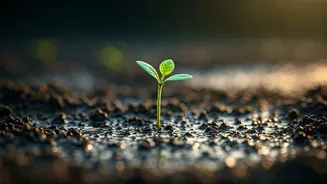


Why Your Plants Love the Damp Air
To understand why humidity is a boon, think of it from a plant's perspective. Most popular houseplants, like ferns, philodendrons, and pothos, have tropical or subtropical origins. Their DNA is coded to thrive in environments where the air is thick with
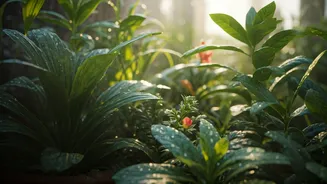
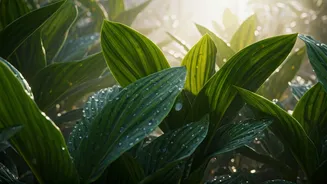
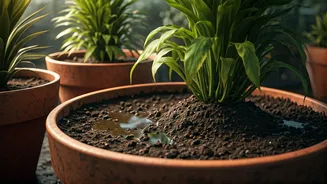
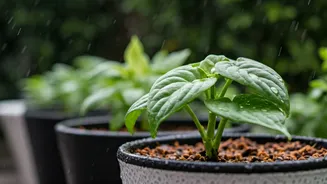
moisture. High humidity reduces a process called transpiration, which is essentially how plants sweat, losing water through tiny pores in their leaves called stomata. When the air is already moist, plants lose less water this way. This means they are less stressed, can focus their energy on growth, and are more forgiving if you forget to water them for a day. The humid air acts like a natural moisturiser, keeping foliage lush and green.
The Best Time for Plant Propagation
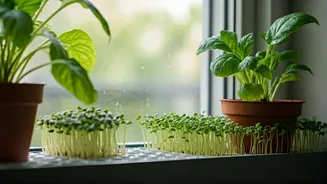
Have you ever admired a friend’s money plant and wished you had one? The monsoon is the perfect time to ask for a cutting. Propagation—the process of growing new plants from cuttings—is significantly easier in high humidity. The moist air encourages roots to sprout from stems far more quickly and reliably than during the dry winter or hot summer months. Simply snip a healthy stem from a plant like a pothos, coleus, or wandering jew, place it in a jar of water or directly into moist soil, and the ambient humidity will do much of the work for you. It’s the most cost-effective way to expand your plant collection, and the success rate during this season will give any beginner a huge confidence boost.
Plants That Flourish in the Monsoon
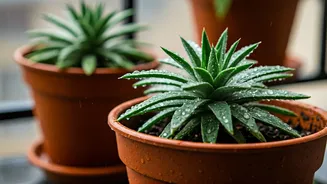
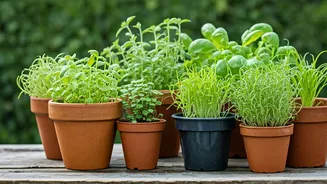
Not all plants are created equal when it comes to humidity. While succulents might struggle, this is the time for foliage-forward plants to shine. Look to bring home or give extra attention to these humidity lovers: - **Ferns:** Boston ferns and bird's nest ferns will unfurl dramatic new fronds. - **Caladiums:** Known as 'elephant ears', their vibrant, paper-thin leaves love the dampness. - **Peace Lilies:** They produce more of their iconic white spathes and their glossy leaves look their best. - **Syngoniums and Philodendrons:** These fast-growing climbers will put out new leaves and aerial roots with vigour. - **Herbs:** While not all herbs like it, mint and basil can grow explosively with good drainage.
Harnessing the Humid Power
To make the most of this natural advantage, a few small adjustments are needed. First, reconsider your watering schedule. With less water being lost through the leaves, the soil will stay wet for longer. Before watering, stick your finger about an inch into the soil. If it feels damp, wait another day or two. This is the single most important tip to avoid root rot. Secondly, this is not the time to fertilise heavily. The monsoon is a period of lush growth, but adding too many nutrients can overwhelm the plant and burn its roots when the soil is already saturated. A diluted, mild fertiliser once a month is more than enough for most houseplants.
A Note of Caution: Managing the Downsides
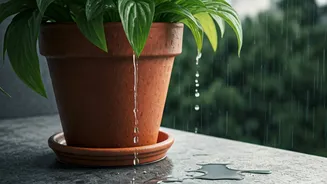
Of course, a friend can sometimes be challenging. The same humidity that plants love also creates a perfect breeding ground for fungal diseases and pests. Keep a close eye on your plants for signs of trouble, like white powdery mildew on leaves or small insects. Ensure good air circulation by not crowding your plants too closely together. If you see a diseased leaf, prune it off immediately to prevent it from spreading. Check that your pots have drainage holes at the bottom to let excess water escape, preventing the dreaded root rot that can quickly kill a plant in waterlogged soil. A little vigilance goes a long way in keeping your green friends healthy.