



Understanding Muscle Soreness
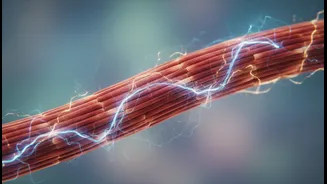
We’ve all felt it: the muscle stiffness and ache that sets in a day or two after an intense or new workout. This is known as Delayed Onset Muscle Soreness, or DOMS. It is a normal response to strenuous activity and happens because the exercise has caused
microscopic tears in your muscle fibres. These tiny tears are not a bad thing; as they heal, your muscles rebuild stronger than before. However, the discomfort can be a major inconvenience. For years, the common wisdom was to rest completely until the soreness subsided.
The Myth of Complete Rest
While the idea of putting your feet up and not moving sounds logical when you're sore, modern sports science points in a different direction. Complete inactivity, or passive recovery, can actually prolong stiffness and discomfort. The emerging gold standard for recovery is a more engaged approach: active recovery. This involves performing low-intensity exercise after a more strenuous session. Research consistently shows that gentle, targeted activity does something passive rest cannot: it accelerates the body's natural repair processes.
The Science of Blood Flow
The magic of active recovery lies in its ability to enhance blood circulation. When you engage in light movement, your heart rate increases slightly, pumping more blood throughout your body. This increased blood flow acts as a crucial delivery and waste-management system for your aching muscles. It transports oxygen and essential nutrients that are vital for repairing the micro-tears in the muscle tissue. Simultaneously, this improved circulation helps to flush out metabolic byproducts that can accumulate during intense exercise and contribute to soreness. Think of it as actively clearing debris from a construction site to allow for a smoother rebuilding process.
What is Light Active Mobility?
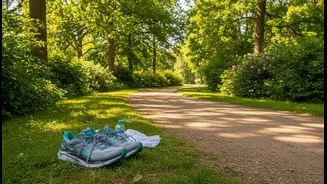
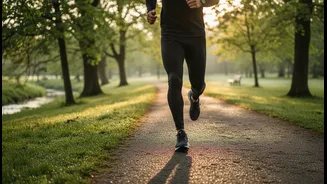
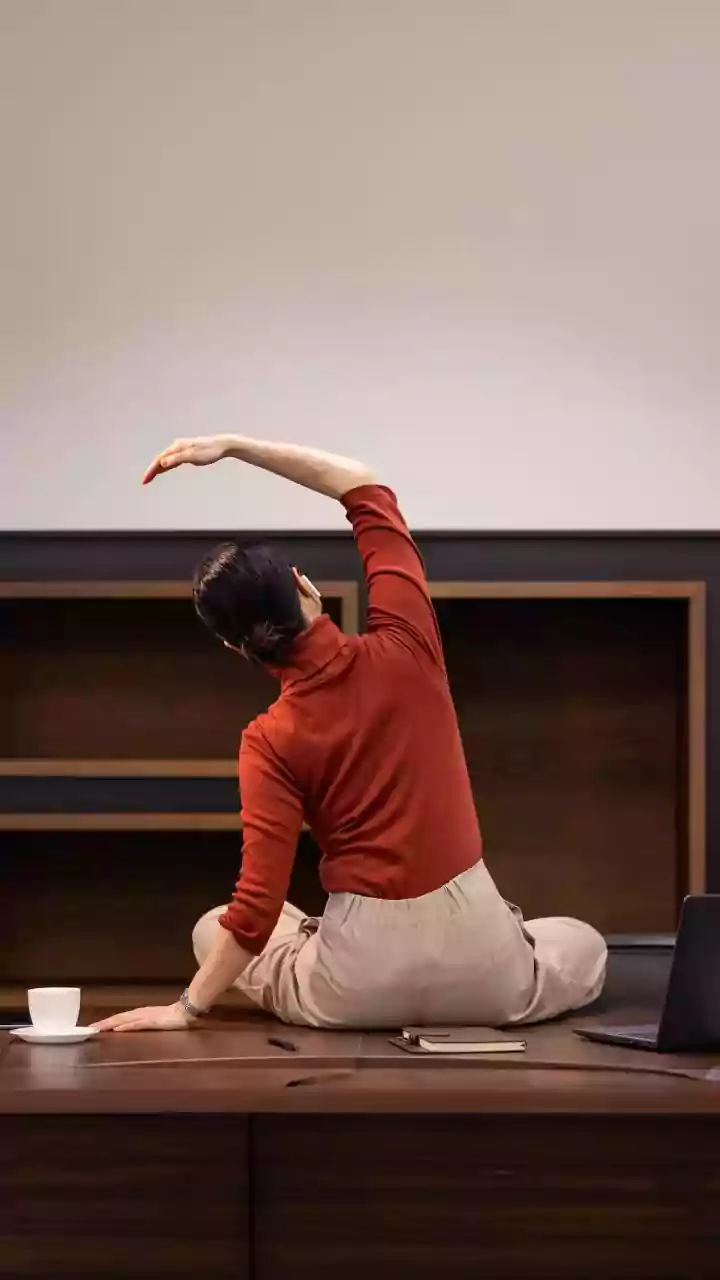
Light active mobility is essentially any low-impact, low-intensity movement that gets the blood flowing without putting significant new stress on your muscles. The goal is to move at roughly 30-50% of your maximum effort. This isn't about getting another workout in; it's about facilitating recovery. Examples are widespread and easily accessible, including a gentle walk, a slow-paced cycle on a stationary bike, swimming, restorative yoga, or dynamic stretching. Even simple mobility exercises that take your joints through their full range of motion can be incredibly effective.
Practical Movements to Try
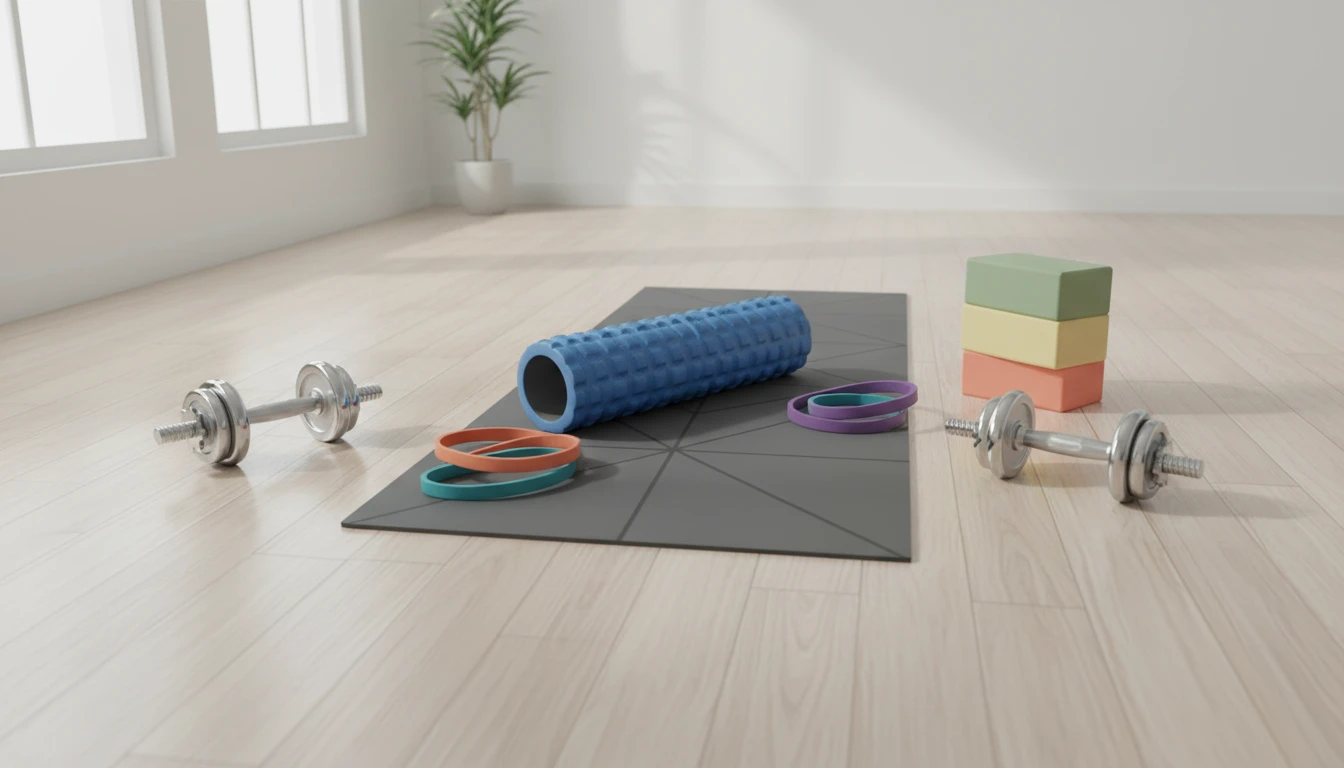
Incorporating active recovery doesn't require a gym or special equipment. You can do it anytime, anywhere. If your legs are sore, a 20-minute walk can work wonders. If your back and core feel tight, try the Cat-Cow stretch: on your hands and knees, gently alternate between arching your back toward the ceiling and dipping it toward the floor. For tight hips, a 90/90 hip switch is excellent. Shoulder rolls and neck rotations can relieve upper body tension. The key is to listen to your body; the movements should feel restorative, not strenuous. If you feel sharp pain, it's a sign to stop.