



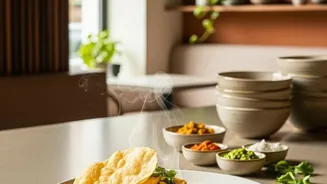

The urban Indian palate is evolving. No longer satisfied with the usual butter chicken and masala dosa, foodies are seeking out new flavours, driving a delicious revolution that celebrates the nation's diverse culinary heritage.
Beyond the Usual Suspects
For decades, the idea of
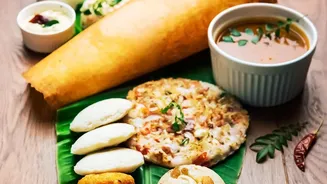
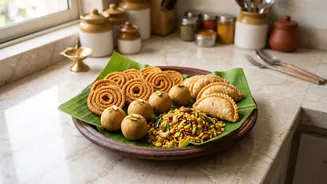
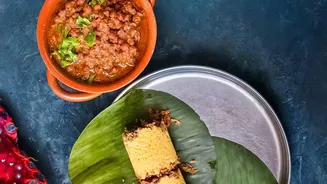
'eating Indian' in a city often meant choosing from a familiar, somewhat limited menu. North Indian or Mughlai cuisine, with its rich, creamy curries, dominated fine dining, while a handful of South Indian staples represented the entire peninsula. But a culinary fatigue has set in. Today's urban diners, more well-travelled and adventurous than ever, are looking beyond these defaults. They are actively seeking novelty and are tired of seeing the same dishes on every menu. This has created a fertile ground for restaurateurs to introduce lesser-known culinary traditions, finding an eager audience for everything from Bihari litti chokha to smoky Naga pork curries and delicate Odia preparations.
The Allure of Authenticity
In a world of fusion confusion and mass-produced meals, 'authenticity' has become a powerful currency. Modern foodies are not just hungry for food; they are hungry for stories. They want to taste something real, a dish connected to a specific region, community, and tradition. This has led to the rise of 'hyper-regional' and 'micro-culinary' narratives, where a dish is celebrated not just for being 'Goan', but for originating from a particular Goan fishing village. Chefs and home cooks are responding by championing family recipes and traditional cooking methods, offering an experience that feels both personal and deeply rooted in a place. This quest for authenticity is a rejection of the one-size-fits-all approach, celebrating the subtle, complex differences that define India's food landscape.
A Healthier Heritage
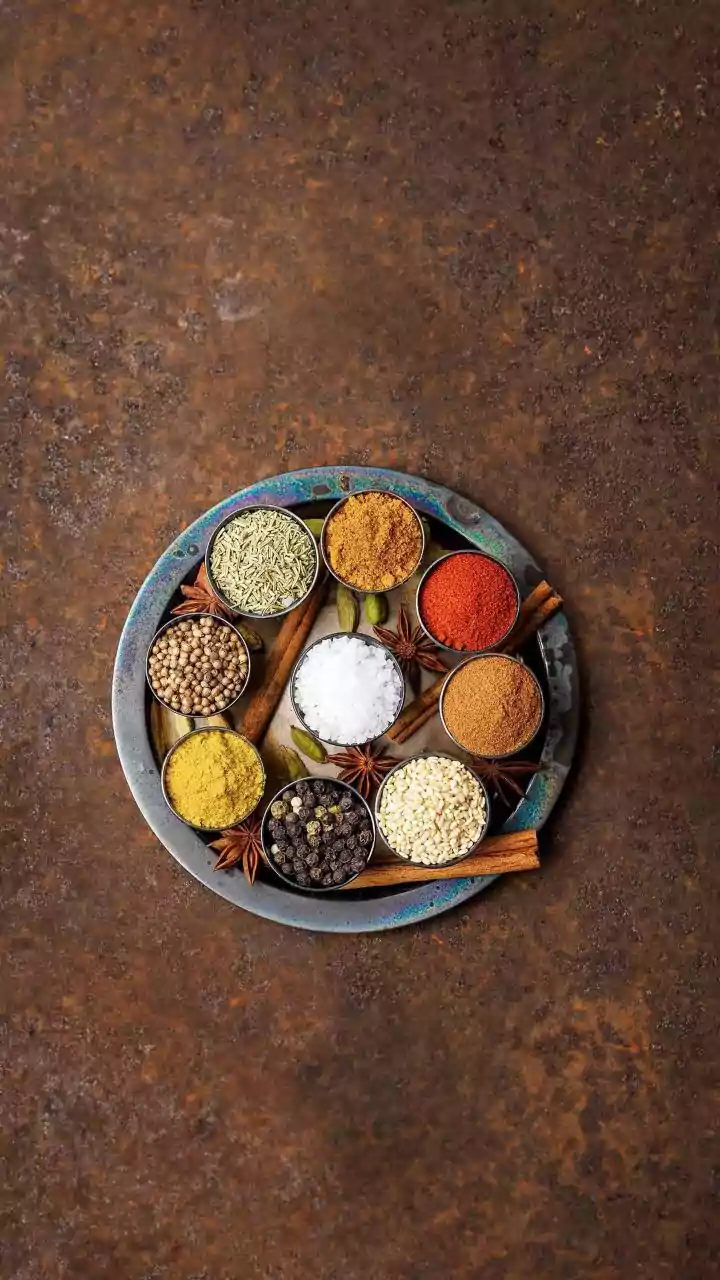
The wellness wave has also played a significant role in this shift. As urbanites become more health-conscious, they are discovering that many regional Indian diets are inherently nutritious. These cuisines often rely on locally sourced, seasonal ingredients, whole grains like millets, and cooking techniques such as steaming, roasting, and fermenting, which are often healthier than the heavy, cream-laden dishes of mainstream restaurant fare. Traditional diets from places like Kerala, the Konkan coast, and the Northeast are rich in vegetables, seafood, and beneficial spices, aligning perfectly with modern ideals of clean, balanced eating. Rediscovering these food systems is not just about flavour, but also about embracing a more sustainable and wholesome way of life.
Fuelled by Travel and Technology
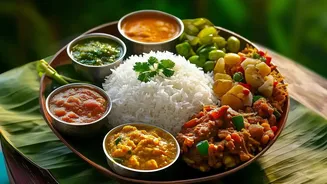
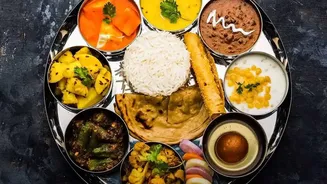
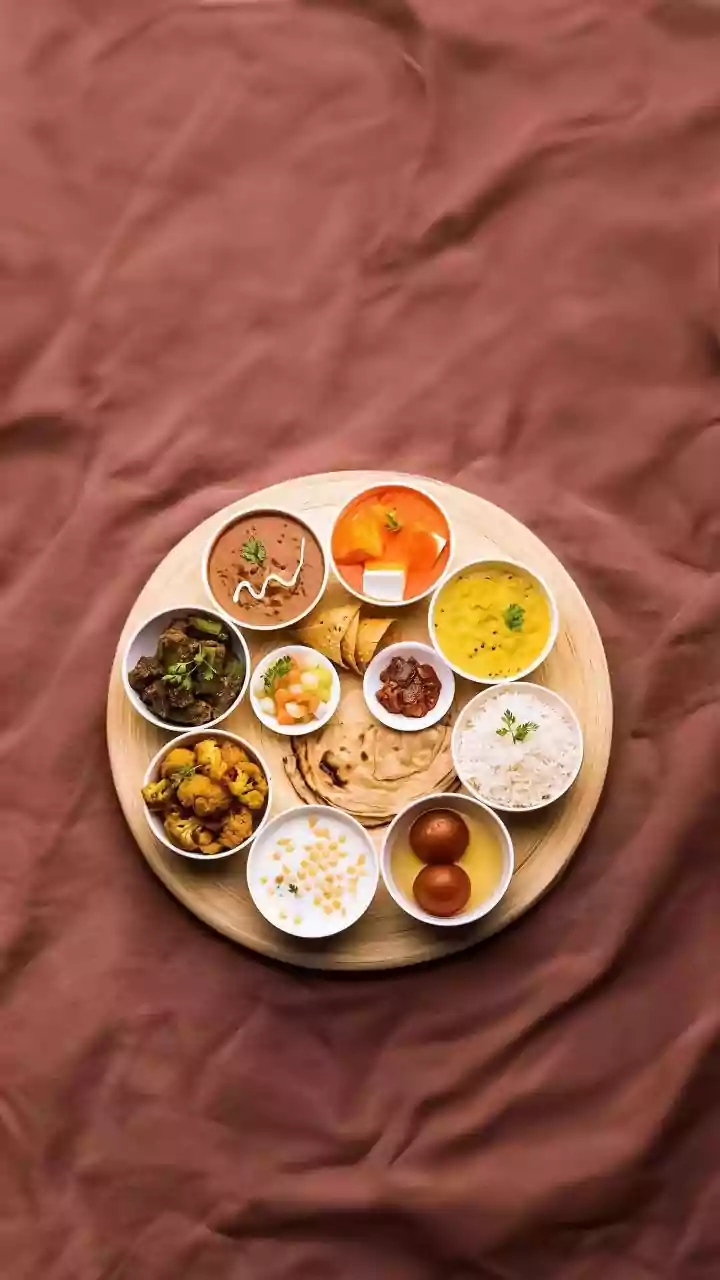
Two forces have been instrumental in popularising regional cuisines: domestic travel and social media. As more Indians explore their own country, they are exposed to local culinary gems in their original context. They return to their cities with a newfound appreciation and a desire to relive those taste experiences. Social media platforms like Instagram have amplified this effect exponentially. Food bloggers and influencers introduce millions to the vibrant colours of a Bengali thali or the unique presentation of a Himachali siddu. These visually appealing posts spark curiosity and create demand, turning once-obscure dishes into musttry trends and giving small, regional brands a national platform.
An Exploration of Identity
Ultimately, the turn towards regional food is about more than just what's on the plate; it is a profound exploration of identity. For a generation of Indians who have moved to cities for work or education, eating the food of their home state is a powerful, comforting connection to their roots and a cure for nostalgia. For others, it's a way to explore the immense diversity of their own nation, a culinary tourism that can be done from within their own city. This trend signifies a growing confidence and curiosity in the country's own cultural wealth. It's a move away from looking outward for new experiences and a turn toward celebrating the incredible complexity and richness found within India's own borders.