




Two Modes of Viewing: Discovery vs. Destination
The choice between a short-form video feed and a streaming service is often a choice between two different mindsets: discovery and destination. Short-form platforms like TikTok, YouTube Shorts, and Instagram Reels are built for discovery. The algorithm
serves a continuous, hyper-personalized stream of content, requiring little to no active decision-making from the viewer. It's a 'lean-back' experience optimized for filling small pockets of time—waiting for a bus, standing in line for coffee, or winding down before bed. In contrast, opening a streaming service like Netflix or Disney+ is a 'destination' or 'intentional' viewing choice. Viewers go there with a specific purpose: to watch a particular movie, catch up on a series, or settle in for a longer, more immersive storytelling experience. This requires a higher level of commitment, both in time and attention. Young viewers aren't choosing one over the other; they're using each for what it does best.
Context is Everything
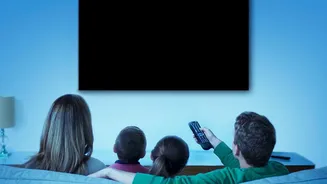
The modern media diet is dictated by context. A recent report notes that for Gen Z, TV is not tied to a single screen, with a majority watching on their phones. This mobility means the viewing environment can change by the minute. A 60-second clip is perfect for a crowded train, but a two-hour film is reserved for the couch. It's a practical partitioning of their media consumption. Recent data highlights that video-sharing platforms are central to Gen Z's media world, with 43% watching over two hours daily. At the same time, the vast majority subscribe to multiple streaming services, indicating they are building a flexible media mix that fits their mood, budget, and social setting. Watching a quick, funny video is often a solo activity, while a movie can be a social event with friends or family.
The New Discovery Engine
One of the most powerful roles short-form video plays is as a discovery funnel for long-form content. An entire generation is now being introduced to new shows, movies, artists, and trends through clips and memes on social media. A trending audio clip on TikTok might originate from a new series on a streaming platform, or a fan-edited compilation on YouTube Shorts could highlight the appeal of a movie from five years ago, sparking a resurgence in viewership. Media companies are increasingly aware of this dynamic, using short-form video as a key part of their marketing strategy. It's essentially a trailer, a review, and word-of-mouth marketing all rolled into one, delivered directly to a highly engaged audience. In this ecosystem, the two formats don't compete; they collaborate. The short clip captures attention, and the long-form content converts that attention into deeper engagement.
The Attention Span Barbell
While it's a popular myth that attention spans have shrunk to that of a goldfish, research suggests a more complex reality. Instead of a universal decline, viewing habits have polarized into a 'barbell effect': audiences gravitate toward either very short, stimulating content or very long, in-depth content. The middle ground—content that is neither instantly gratifying nor deeply immersive—is what gets lost. Short videos cater to the brain's desire for novelty and instant reward, creating a habit of rapid consumption. At the same time, the commitment to watch a multi-season series speaks to a different kind of engagement, one built on narrative depth and character development. Young viewers have become adept at 'task-selective filtering,' applying intense focus to content that earns it while casually grazing on content that doesn't. They haven’t lost the ability to focus; they've just become ruthlessly efficient at deciding what's worth their sustained attention.
A Social and Parasocial Connection
Finally, the two formats serve different social functions. Short-form video platforms are inherently interactive communities. They are built around comments, duets, stitches, and shared trends. Many young viewers report feeling a stronger personal connection to social media creators than to traditional television personalities. This creates a sense of participation and belonging that curated streaming libraries often lack. Conversely, long-form streaming offers a shared cultural touchstone. Watching a hit show allows viewers to participate in a broader cultural conversation online and in person. Gen Z still builds flexible stacks of streaming services to follow the stories they care about. The platforms are different, but the fundamental human needs they serve—for discovery, for immersion, for community, and for shared experience—remain the same. The constant toggling between them is simply the modern way of meeting all those needs.