


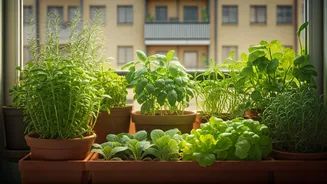



From Utility Space to Green Sanctuary
For decades, the Indian urban balcony served a purely functional role. It was a place to dry laundry, store an old gas cylinder, or catch a fleeting breeze. Today, however, a green revolution is taking place metres above the ground. In cities like Mumbai,
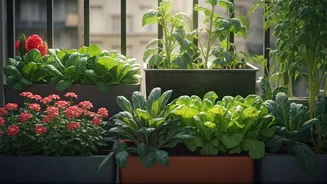
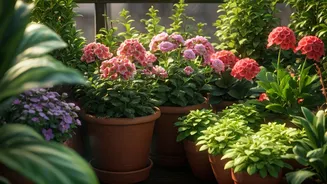
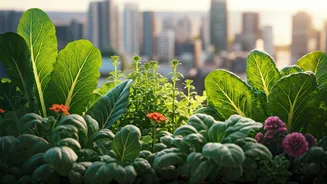
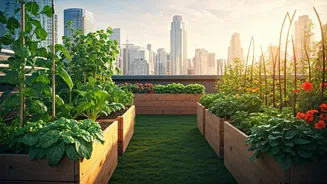
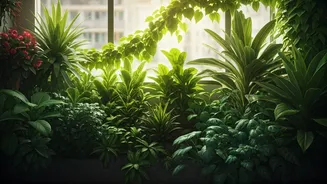
Bengaluru, and Delhi, residents are reclaiming these small outdoor spaces and converting them into vibrant ecosystems. This isn't just about a few sad-looking pots anymore. We're seeing carefully curated collections of plants—creepers winding up railings, flowering shrubs bursting with colour, and even small vegetable patches—that create a genuine jungle-like effect. It’s a powerful visual statement against the grey backdrop of the concrete jungle, turning the balcony into an extension of the living room and a sanctuary for the soul.
The Post-Pandemic Green Rush
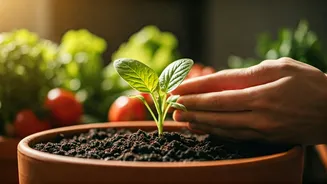
While urban gardening has been a niche hobby for years, the lockdowns acted as a powerful catalyst. Confined to our homes, we began craving a connection with nature more than ever. The balcony became our only private patch of the great outdoors. This period saw a massive surge in people turning to gardening not just as a hobby, but as a form of therapy. Tending to plants offered a sense of purpose, a daily routine, and a tangible reward for our care. Nurseries reported soaring sales, and online communities for urban gardeners flourished. What started as a way to pass the time has now embedded itself as a permanent lifestyle choice for many, who discovered the profound mental health benefits of nurturing life.
More Than Just a Pretty View
The benefits of a green balcony extend far beyond aesthetics. These mini jungles are tiny but mighty powerhouses. On a personal level, studies have shown that interacting with plants can reduce stress, lower blood pressure, and improve focus. Having fresh, organic produce like mint, curry leaves, chillies, or tomatoes right outside your window is another huge plus. On a larger scale, these green pockets contribute to the urban environment. They help to slightly lower ambient temperatures, acting as micro-coolants in what’s known as the urban heat island effect. They also attract biodiversity, bringing birds, bees, and butterflies back into our cities, and help filter some of the pollutants from the air, making our homes healthier spaces to live in.
Creating Your Own Urban Oasis
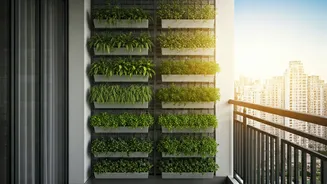
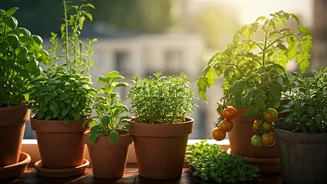
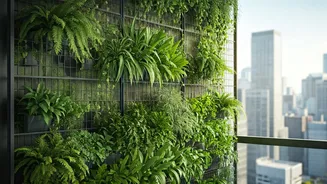
The idea of a 'jungle' might sound intimidating, but starting one is easier than you think. The key is to choose the right plants for your space and climate. Begin with low-maintenance options. For sunny balconies, bougainvillea, hibiscus, and desert roses provide stunning colour. If you have partial shade, money plants, snake plants, and ZZ plants are incredibly forgiving. For an edible garden, start with herbs that are central to Indian cooking: tulsi, mint (pudina), and coriander (dhania) thrive in pots. Cherry tomatoes and chillies are also surprisingly easy to grow. Don't be afraid to use vertical space. Wall-mounted planters, hanging baskets, and trellises for creepers like jasmine (mogra) can maximise your green footprint without cluttering the floor.
A Community Taking Root
This green movement is also incredibly social. What might begin as a solitary hobby often blossoms into a community connection. Across social media, hashtags like #BalconyGardenIndia and #UrbanJungle areshared by thousands, showcasing their green creations, swapping tips, and offering encouragement. Neighbourhood WhatsApp groups dedicated to gardening have popped up, where people trade seeds, share excess produce, or ask for help diagnosing a sick plant. This collective passion is fostering a new kind of social fabric in otherwise anonymous apartment complexes, proving that a shared love for plants can help grow friendships, too.