



Choose Your Trail Wisely
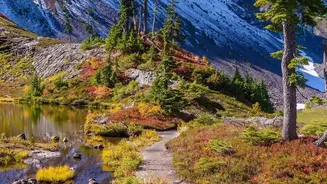
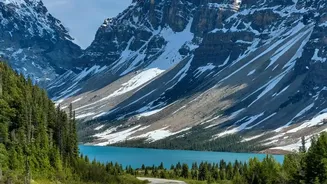
Not all trails are created equal. An 'easy' hike in the Rockies can still feel challenging for a first-timer due to elevation gain. Start with well-maintained, popular routes to build confidence. In Banff National Park, trails like the Fenland Trail,
Johnson Lake Loop, and the walk to the Bow Falls viewpoint are excellent, mostly flat options perfect for families and new hikers. In Jasper, the paved loop around Lake Annette or the Valley of the Five Lakes offer stunning scenery without intense climbs. Always check the latest trail conditions with Parks Canada before you go. Trails can close due to wildlife activity or poor conditions, so having a backup plan is a smart strategy.
Gear Up for Success, Not Just Survival
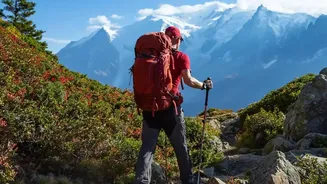
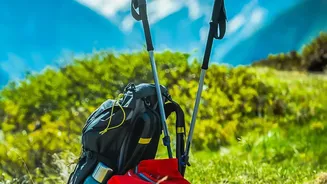
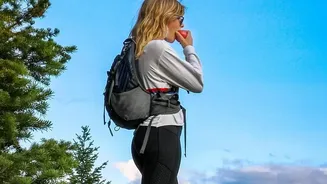
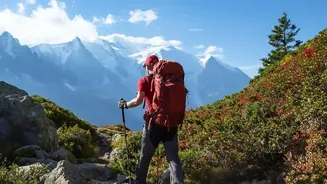
Proper gear is about comfort and safety, not just looking the part. The single most important item is a pair of broken-in hiking boots or shoes with good grip. Beyond footwear, a well-fitting daypack (20-40 litres) is essential to carry your supplies. Pack it with at least two litres of water per person, high-energy snacks like trail mix or granola bars, sunscreen, sunglasses, and a basic first-aid kit. Even if the forecast is perfect, a lightweight waterproof jacket is non-negotiable, as mountain weather can turn in an instant.
Embrace the 'Four Seasons in One Day' Mentality
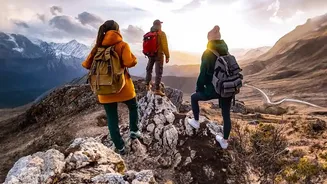
The weather in the Rockies is famously unpredictable; you can experience sun, wind, rain, and even snow in a single afternoon. The key to comfort is layering. Start with a moisture-wicking base layer (avoid cotton, which holds moisture and makes you cold), add a warm mid-layer like a fleece jacket, and top it with a waterproof and windproof shell. You can easily add or remove layers as conditions change. Always pack a warm hat and a pair of gloves, even in summer. An early morning start might be chilly, and exposed viewpoints are often windy and significantly cooler than the trailhead.
The Bear Necessities of Wildlife Safety
Hiking in the Canadian Rockies means you are a visitor in bear country. While encounters are rare, preparation is mandatory. The most effective way to avoid surprising a bear is to make noise. Talk loudly, sing, or call out periodically, especially near blind corners, dense vegetation, or rushing water. Hiking in a group is always safer. Carry bear spray, know how to use it, and keep it in a holster where it is immediately accessible—not inside your backpack. Never approach or feed any wildlife. If you see a bear, stay calm, speak in a low voice, and back away slowly without making eye contact. Do not run.
Practice Good Trail Etiquette
Sharing the trail ensures a positive experience for everyone and protects the delicate alpine environment. Follow the seven Leave No Trace principles. This includes packing out everything you pack in—even organic waste like apple cores and orange peels—and staying on the designated trail to prevent erosion and damage to fragile plants. When it comes to right-of-way on narrow paths, the general rule is to yield to hikers who are travelling uphill. Be courteous, greet fellow hikers, and keep noise levels low so everyone can enjoy the sounds of nature.