




Essential Documents in a Waterproof Pouch
Before you even think about clothes, secure your documents. Your journey can end before it starts without the right paperwork. The Shri Amarnathji Shrine Board (SASB) has strict requirements. You must carry your Yatra Permit, a valid government-issued
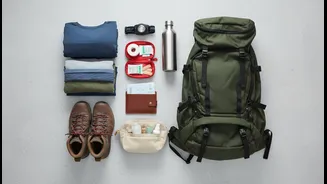
photo ID like an Aadhaar card, and the Compulsory Health Certificate (CHC) from an authorised doctor. It is also wise to have four to six passport-sized photographs. Keep all these documents, along with emergency contact details, inside a waterproof folder or zip-lock bag to protect them from unpredictable rain.
Layered Clothing for Unpredictable Weather
The weather in the Himalayas is notoriously fickle; a sunny morning can quickly turn into a cold, rainy afternoon. The key to staying comfortable is layering. Start with two to three pairs of thermal innerwear to trap body heat. Your mid-layer should consist of a warm fleece jacket or a light sweater. The outermost layer is the most critical: a high-quality waterproof and windproof jacket is non-negotiable. For bottoms, pack quick-dry trekking pants instead of heavy jeans. A woollen cap or balaclava, a muffler, and waterproof gloves are also vital to protect against the cold, especially at higher altitudes.
The Right Footwear for Tough Terrains
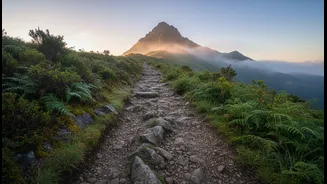
You will be walking for long hours on uneven, rocky, and potentially slippery paths. Investing in a good pair of waterproof trekking shoes with high ankle support and a strong grip is one of the most important decisions you will make. Do not make the mistake of wearing new shoes for the trek; break them in for a few weeks beforehand to avoid painful blisters. Pack at least three to four pairs of warm, moisture-wicking socks, preferably made of wool, to keep your feet dry and warm. It's also a good idea to carry a pair of lightweight slippers or sandals for relaxing at the camp.
A Well-Stocked Personal Medical Kit
While medical facilities are available every few kilometres along the route, carrying a personal first-aid kit is essential for immediate needs. Your kit should include your personal prescription medications, as well as basics like pain relievers, antiseptic cream, bandages, and medication for fever, cold, and motion sickness. Given the high altitude, it's wise to include tablets for altitude sickness, after consulting your doctor. Sunscreen with a high SPF, lip balm to prevent chapped lips, and a good moisturizer are also important, as UV exposure is stronger at higher altitudes.
Backpack and Miscellaneous Must-Haves
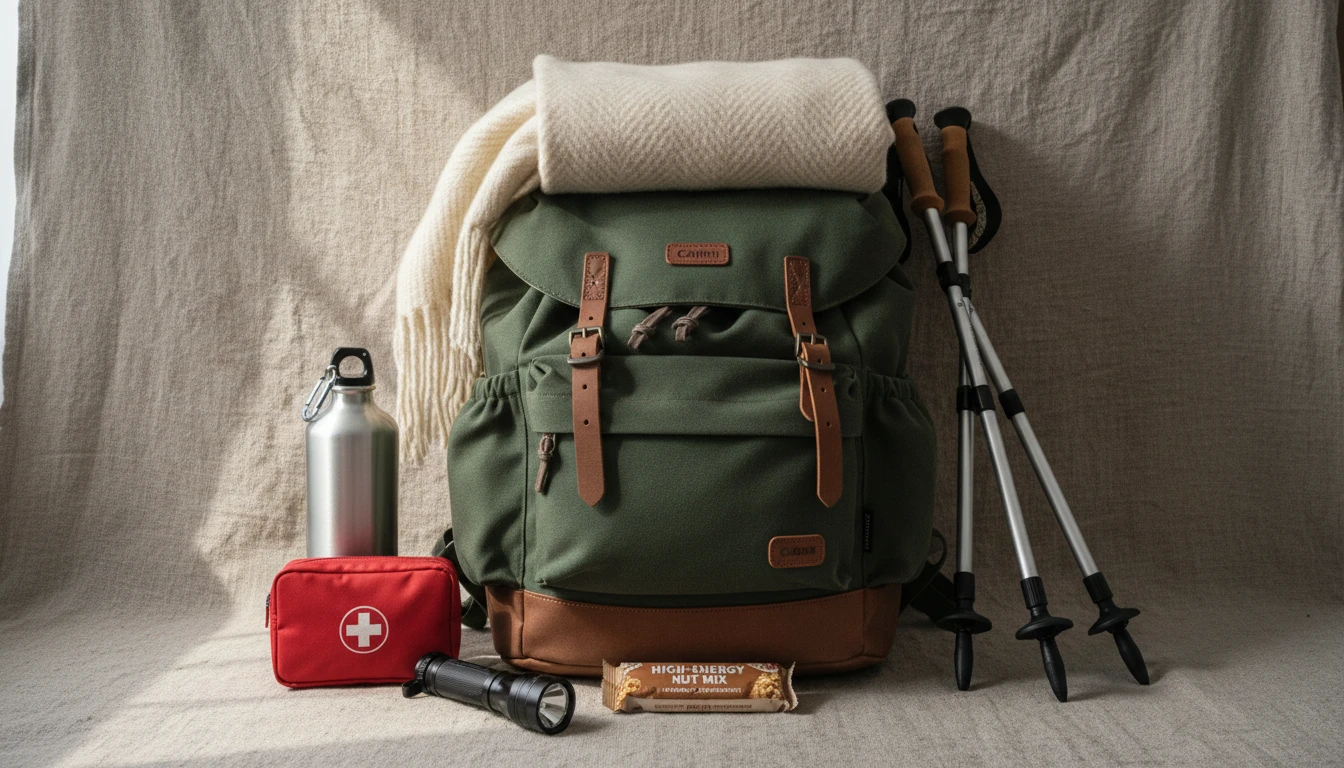
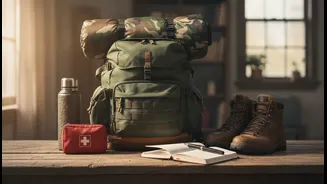
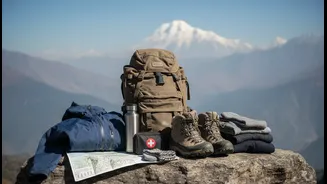
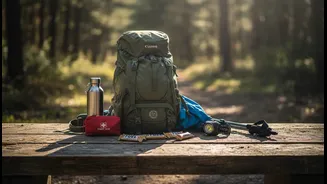
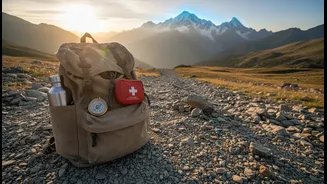
Choose a sturdy, comfortable backpack with a capacity of around 40-50 litres. Make sure it has a waterproof cover. Inside, pack essentials like a reusable water bottle or thermos to stay hydrated, and high-energy snacks like dry fruits, chocolates, and energy bars. Other critical items include a headlamp or a torch with extra batteries, a power bank for your electronic devices, and UV-protection sunglasses. Trekking poles are highly recommended to provide stability and reduce strain on your knees, especially during steep ascents and descents.