



The Dawn of VILPA
Scientists have given a name to this game-changing concept: Vigorous Intermittent Lifestyle Physical Activity, or VILPA. It refers to the short, powerful bursts of movement, often lasting just one to two minutes, that we naturally perform throughout our
day. Think of it as the opposite of a structured workout. Instead of scheduling a run, it’s about running for the bus, taking the stairs two at a time, or carrying heavy shopping bags from the car with a bit more urgency. The core idea is simple: elevate everyday tasks to a higher intensity for brief periods. This isn't about becoming an athlete overnight; it's about re-imagining the movements you already do.
The Science of Short Bursts
The excitement around VILPA comes from a landmark study that used wearable devices to track the activity of thousands of people who didn't engage in formal exercise. The findings, published in Nature Medicine, were striking. The study revealed that just three to four one-minute bursts of VILPA per day were associated with a nearly 40% reduction in all-cause and cancer-related mortality risk. The benefits were even more pronounced for cardiovascular health, with a 49% reduction in death related to heart disease. Researchers believe these intense, short efforts are effective because, much like High-Intensity Interval Training (HIIT), they push your heart, lungs, and muscles beyond their normal levels, improving cardiovascular efficiency and boosting your metabolism.
How Much Is Really Needed?
The headline-grabbing figure of three or four minutes is not an all-at-once commitment. The benefits come from accumulating these short, one-to-two-minute bursts throughout the day. The study found that most participants’ VILPA bouts lasted less than a minute each. While as few as four or five brief bouts showed significant gains, the research also indicated a 'more is better' effect. For example, a maximum of 11 short bouts per day was linked to a 65% reduction in cardiovascular death risk and a 49% reduction in cancer-related death risk. The key is the intensity. The activity should be strenuous enough to make you huff and puff, making it difficult to hold a full conversation.
Turning Your To-Do List Into a Workout
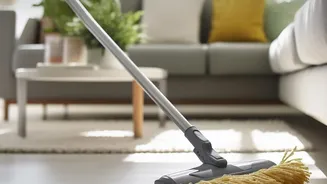
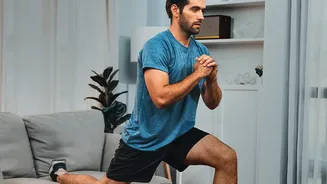
So, what counts as VILPA? You’re likely already doing some of these activities, and the only change required is to increase your pace and intensity for a minute or two. Practical examples are everywhere in your daily life. When bringing in groceries, carry the heavy bags for a longer distance, like from the end of the driveway. Instead of using the elevator, power-walk up a few flights of stairs. Household chores are a goldmine for VILPA; turn up some music and tackle vacuuming, mopping, or scrubbing with extra speed and energy. Playing high-energy games like tag with your kids or pets, or doing vigorous gardening like rapid digging, also count. Even walking can be upgraded by parking farther from your destination and power-walking to the entrance.
Making It a Lasting Habit
The beauty of VILPA is its accessibility. It requires no gym membership, special equipment, or even extra time. The main hurdle is a mental one: shifting your perspective to see opportunities for intensity in your daily tasks. Start small by picking one or two activities you do every day and consciously ramping up the effort. If you take the stairs at work, try jogging up the last flight. While cleaning, dedicate one song's duration to moving as quickly and energetically as possible. By focusing on these 'exercise snacks', you can seamlessly weave powerful health benefits into the fabric of your life, proving that you don't need to set aside large blocks of time to make a meaningful difference to your longevity and well-being.