
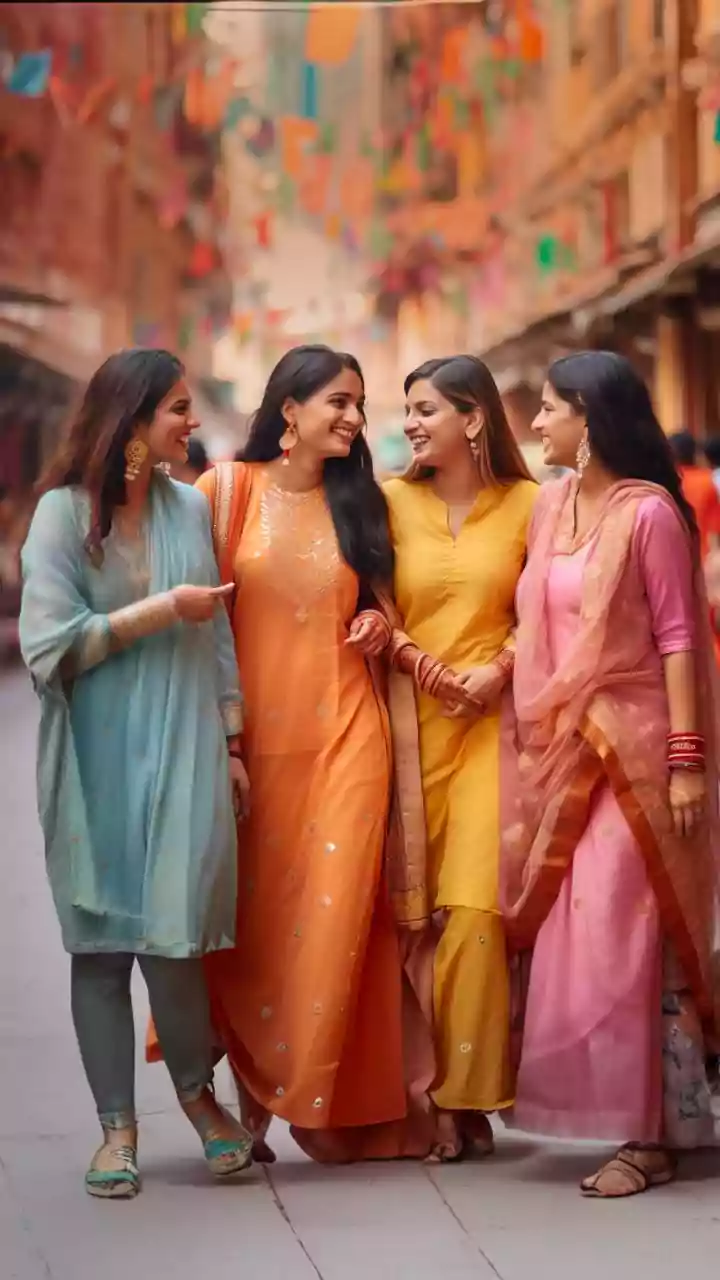
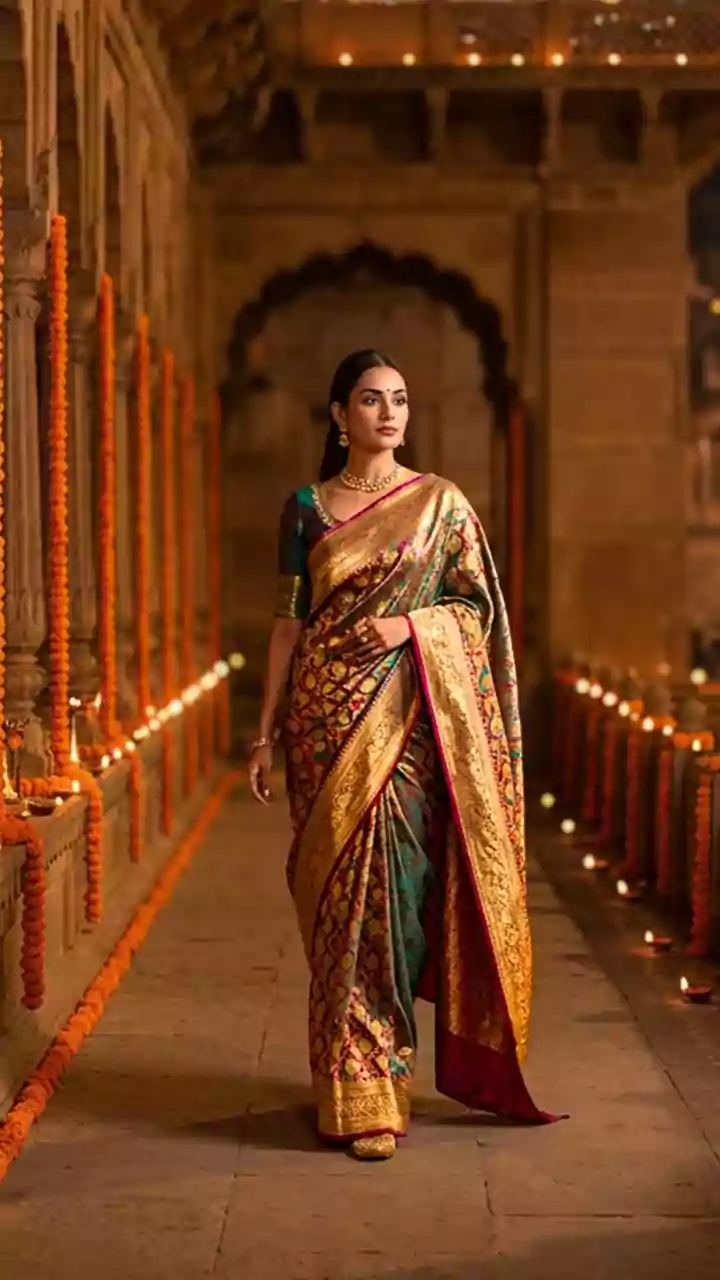



The New Building Blocks of Festive Fashion
At its core, modular fashion in the context of Indian ethnic wear is about separates. Think of it as a collection of coordinating but distinct pieces: lehenga skirts, a variety of blouses or crop tops, versatile dupattas, and add-on elements like detachable
sleeves, jackets, or belts. Unlike a traditional three-piece 'set' which is designed to be worn only one way, modular garments are conceived as building blocks. This approach empowers the wearer to move beyond a static outfit and become a co-creator of their look, dismantling the idea of a single-use ensemble.
An Expression of Individuality
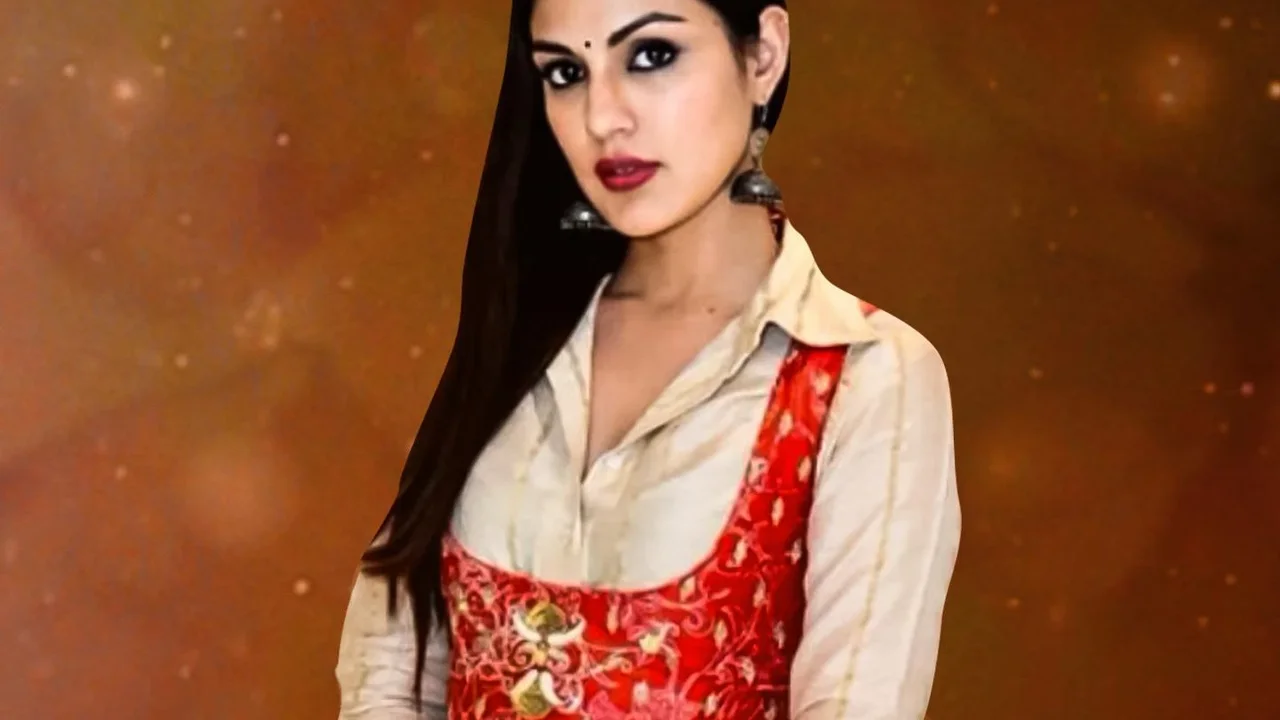
For younger generations like Gen Z and millennials, fashion is a primary tool for self-expression. The desire to stand out and curate a unique personal style is a significant driver behind the modular trend. Rather than accepting an off-the-rack outfit that dozens of others might also wear, they can assemble a look that feels genuinely their own. By pairing a traditional Banarasi skirt with a contemporary corset top, or layering a sheer jacket over a simple blouse, they can combine heritage with a modern sensibility. This approach allows for endless experimentation, turning festive dressing into a creative outlet rather than an exercise in conformity.
More Style for Every Rupee
The economic logic of modularity is undeniable, especially for a generation that values smart consumption. Investing in a few high-quality, versatile separates is more cost-effective than buying multiple expensive, single-occasion outfits. A single, well-crafted lehenga skirt can be styled with a heavy, embroidered blouse for a wedding, a simple crop top for a sangeet, and a silk shirt for a festive dinner. This multiplies the number of 'new' outfits in a wardrobe without multiplying the cost, a concept that strongly appeals to budget-conscious young consumers who still want to look their best.
A Sustainable Shift in Thinking
As awareness around the environmental impact of fast fashion grows, younger Indians are increasingly seeking more sustainable options. Modular fashion aligns perfectly with this mindset. By encouraging re-styling and repeat wear, it extends the lifecycle of each garment and combats the 'wear once, then waste' culture often associated with heavy festive wear. Investing in timeless, adaptable pieces made from quality fabrics is a direct challenge to the fast-fashion model of disposable trends. This conscious approach ensures that clothing is cherished and worn for years, reducing overall consumption and textile waste.
Beyond the Festive Calendar
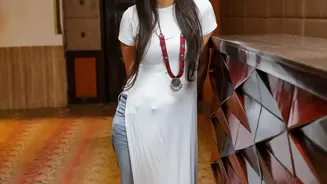
Perhaps the greatest advantage of modular ethnic wear is its versatility beyond the festive season. A beautifully embroidered jacket can be layered over jeans and a t-shirt for a chic fusion look. A brocade skirt can be paired with a crisp white shirt for an elegant indo-western ensemble. This adaptability transforms occasion-specific garments into valuable, year-round wardrobe staples, ensuring they don't just sit in a closet waiting for the next wedding invitation. It reflects a broader shift where ethnic wear is being integrated into everyday life, not just reserved for special events.