
A Glimpse into the Cosmic Cradle
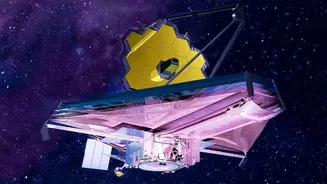
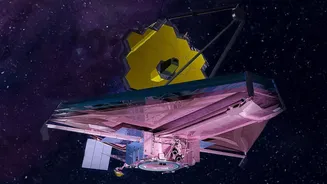
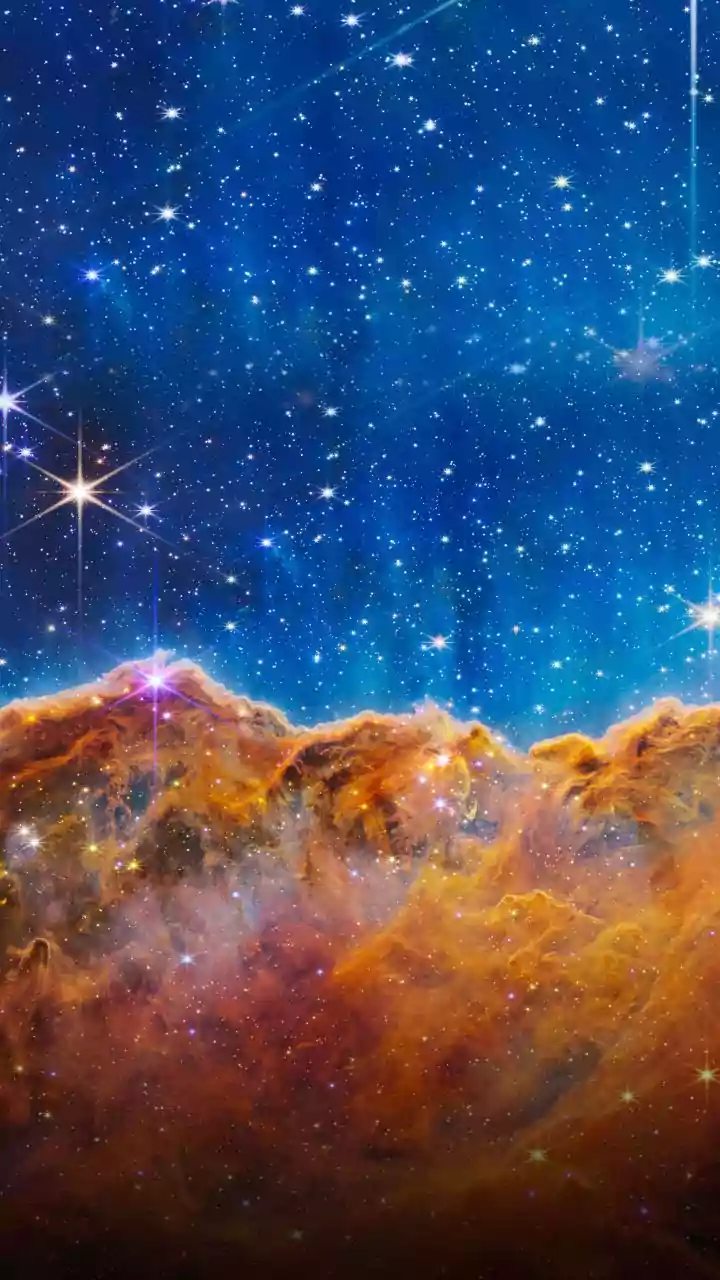
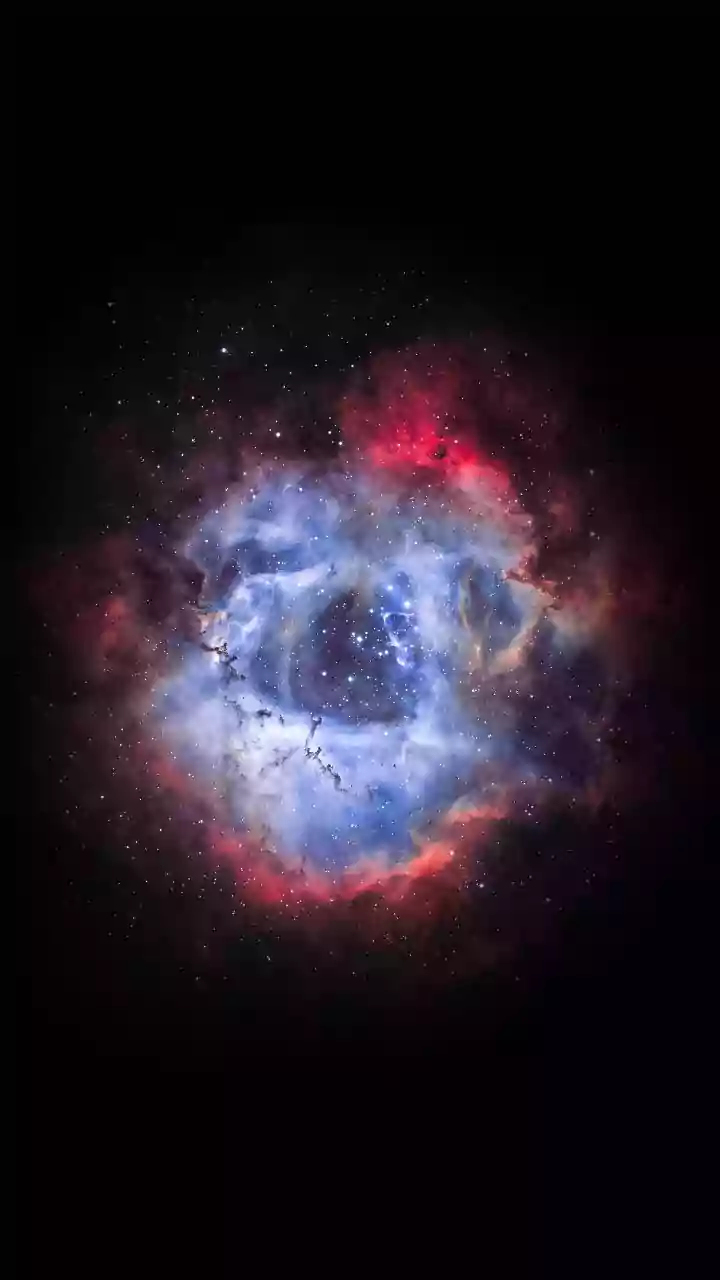
Imagine looking back in time, not by years, but by millennia, to witness the birth of a solar system. That is precisely what the James Webb Space Telescope (JWST) is now allowing astronomers to do. Recent observations have focused on stellar nurseries,
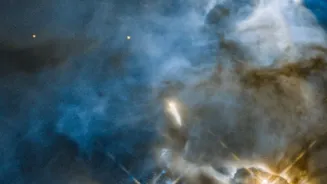
vast clouds of gas and dust where stars ignite. One such region, NGC 1333, located about 1,000 light-years away, has become a focal point. Within these dense, swirling clouds, Webb’s powerful infrared eyes have pierced through the obscuring dust that blinds other telescopes. It has revealed not just newborn stars, but the very beginnings of planets themselves: protoplanetary disks, which are swirling platters of gas and dust that wrap around infant stars. In some cases, Webb has detected gaps and structures within these disks that strongly suggest young, Jupiter-sized planets are already carving out their orbits.
More Than Just Pretty Pictures
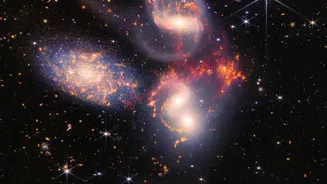
These images are revolutionary because they challenge and refine our understanding of how planets form. For decades, the earliest stages of planet formation were more theoretical than observable. Now, astronomers can directly see the raw materials for future worlds. In one study of a star-forming region, Webb identified a protoplanetary disk surprisingly rich in carbon dioxide but lacking water, upending some traditional theories about planetary chemistry. This suggests that the chemical makeup of a planetary system may be heavily influenced by its specific environment, like the amount of radiation from nearby massive stars. Another observation campaign found evidence that planet formation is a race against time, as the very gas and dust needed to build worlds is actively being blown away by winds from the infant star. These findings provide crucial data points that help scientists build a more complete story of planetary evolution, from a disk of dust to worlds like our own.
Webb’s Infrared Superpower
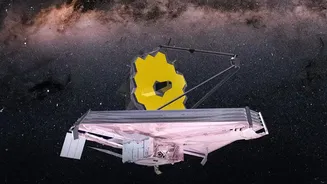
The magic behind these discoveries is the James Webb Space Telescope's unparalleled ability to see in infrared light. Star-forming regions are notoriously dusty, and that dust acts like a thick fog to telescopes that see in visible light, like the Hubble Space Telescope. Webb’s instruments, however, are designed to detect the longer wavelengths of infrared light, which can pass through these dense dust clouds unimpeded. This allows it to capture the faint heat signatures of newborn stars and the glowing gas of their surrounding disks. By using instruments like the Near-Infrared Camera (NIRCam) and the Mid-Infrared Instrument (MIRI), scientists can analyze the composition of these disks, identifying different molecules and various sizes of dust grains, providing a chemical blueprint of a nascent solar system.
The Search for Another Earth
While Webb is studying the birth of giant planets hundreds of light-years away, the ultimate goal for many is to understand the conditions that could lead to a planet like Earth. By observing a wide variety of these stellar nurseries, from relatively quiet ones to chaotic regions blasted with radiation, astronomers can piece together the different paths planet formation can take. Some observations have even targeted the leftover building blocks in our own solar system, faint and distant objects beyond Neptune, to see what they can tell us about the early days of planet formation here at home. Every discovery, whether it’s a gas giant carving a gap in a dusty disk or an unusual chemical signature, adds another piece to the puzzle. We are learning that the universe of planet formation is more diverse and complex than previously imagined.