




The Science Behind the Glow
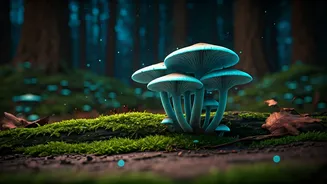
This enchanting phenomenon is known as bioluminescence, the same process that makes fireflies light up. In this case, the glow comes from certain species of fungi, most commonly from the *Mycena* genus. These fungi contain a chemical called luciferin,
which, when it reacts with oxygen and an enzyme called luciferase, emits a soft, ethereal green or blue light. Scientists believe this glow serves a purpose: to attract nocturnal insects. These insects then help spread the fungal spores, allowing the fungus to reproduce and colonise new areas. This natural light show is completely dependent on moisture, which is why it comes alive only during the wettest months of the year.
Where to Find These Magical Forests
While rare, these glowing forests are not entirely out of reach. The prime location to witness this spectacle in India is the Western Ghats, particularly during the monsoon. The dense, humid forests of Maharashtra and Goa are hotspots for bioluminescent fungi. Popular locations include the Bhimashankar Wildlife Sanctuary near Pune, various trails in the Sahyadri range around Lonavala and Malshej Ghat, and the forested areas of Chorla Ghat in Goa. Further east, parts of Meghalaya’s lush forests have also been known to host these glowing wonders, offering a unique experience for those exploring the region’s rich biodiversity. The key is to find undisturbed, damp forest floors rich with decaying wood and leaves, which provide the perfect habitat for these fungi to thrive.
The Best Time for a Glowing Trek
Timing is everything. The bioluminescent fungi are a monsoon special, making their appearance from late June and lasting through September, sometimes even into early October. The peak viewing period is typically July and August, when the monsoon is at its most intense. The constant rain and high humidity create the ideal conditions for the fungi to fruit and glow. The best time for a trek is on a dark, moonless night a day or two after heavy rainfall. This ensures the forest is sufficiently damp and the ambient darkness is deep enough to make the faint glow of the fungi truly stand out. A clear, starry sky might be beautiful, but for this adventure, you’re hoping for clouds and dampness.
How to Book Your Night Trail
Venturing into a dense forest at night, especially during the monsoon, should never be done alone or without expertise. Your best and safest bet is to book a guided tour. Numerous local eco-tourism groups and trekking operators in the regions of Pune, Mumbai, and Goa specialise in these night trails. A quick online search for “bioluminescent fungi trek” or “glowing mushroom walk” followed by your target location (e.g., “Lonavala”) will yield several options. Always choose a reputable operator with experienced guides who are knowledgeable about the local terrain and wildlife. They will not only ensure your safety but also know the exact spots where the fungi are most likely to be found. In some cases, access to forest reserves may require permits, which a registered tour operator will handle for you.
Preparing for Your Forest Adventure
Dressing for a monsoon night trek is crucial for comfort and safety. Wear a reliable waterproof jacket and quick-drying clothes. Sturdy, waterproof trekking shoes with excellent grip are non-negotiable, as trails will be slippery and muddy. Carry a small backpack with essentials: a bottle of water, some snacks, and a basic first-aid kit. While you’ll want a light source, a bright white torch will ruin your night vision and overpower the fungi's glow. Instead, use a torch with a red-light mode, or cover a regular torch with red cellophane paper. Most importantly, pack insect repellent. Finally, remember to be a responsible traveller. Stick to the trail, do not touch or disturb the fungi, and carry all your litter back with you. The goal is to witness the magic, not disrupt it.