


1. Your Outer Shell: Beyond Just 'Waterproof'
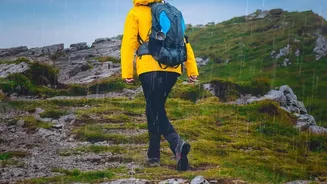
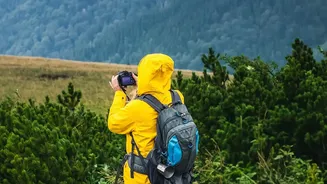
Your rain jacket is your first line of defense, but not all are created equal. Look for a jacket that is both waterproof and breathable. Waterproofing keeps rain out, but breathability lets sweat escape, preventing that clammy feeling from the inside.
Materials like Gore-Tex are famous, but many brands offer excellent proprietary waterproof-breathable fabrics. Key features to look for are 'taped' or 'sealed' seams, which prevent water from leaking through the stitching, and an adjustable hood with a brim to keep rain off your face. Another game-changing feature is 'pit zips'—zippers under the armpits that you can open for ventilation when you're working hard, without taking your jacket off. This combination of features ensures you stay dry from both rain and perspiration.
2. The Layering System: Your Body's Climate Control
What you wear underneath your rain jacket is just as important. The key is to avoid cotton. Cotton absorbs moisture and takes a very long time to dry, leaving you cold and chilled. Instead, opt for a three-part layering system. Start with a moisture-wicking base layer against your skin, made from materials like merino wool or synthetics such as polyester or nylon. This layer pulls sweat away from your body. Next, add an insulating mid-layer, like a fleece jacket, for warmth. Fleece is great because it stays warm even when damp and dries quickly. Your waterproof jacket serves as the final outer layer, or shell, protecting you from wind and rain. This system allows you to add or remove layers to perfectly regulate your body temperature as conditions change.
3. Waterproof Bottoms: Don't Neglect Your Legs
A common mistake is focusing only on a jacket while your legs get soaked. A good pair of waterproof rain pants is a non-negotiable item for any serious rainy trek. They work on the same principle as your jacket, blocking rain while ideally offering some breathability. For convenience, look for pants with side zippers on the legs. This allows you to put them on or take them off over your hiking boots, so you don't have to stop and unlace every time the weather shifts. Keeping your legs dry is crucial for maintaining your core body temperature and preventing chafing and discomfort on long walks.
4. Footwear and Gaiters: The Foundation of a Dry Hike
Happy feet are essential for a happy trekker. While fully waterproof hiking boots are a popular choice, the real key is managing water effectively. Many experienced hikers find that even waterproof boots can get wet from the inside via sweat or from water running down your legs. An alternative is non-waterproof but quick-drying trail shoes paired with merino wool socks, which stay warm even when wet. Whichever you choose, the most valuable addition is a pair of gaiters. These are waterproof sleeves that cover the top of your boots and your lower legs, preventing water, mud, and pebbles from getting inside your footwear. They are a simple, effective tool for keeping your feet drier for longer.
5. Protecting Your Gear: A Dry Pack is Crucial
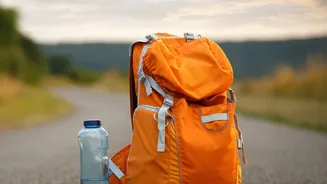
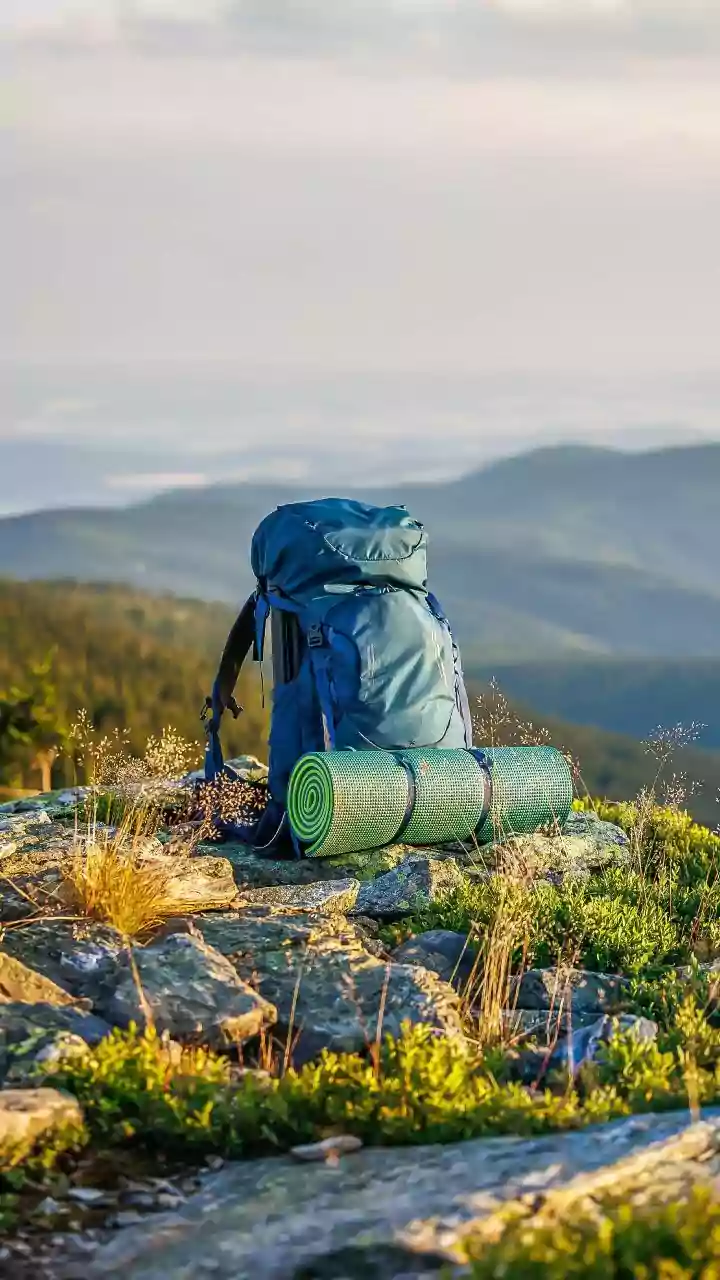
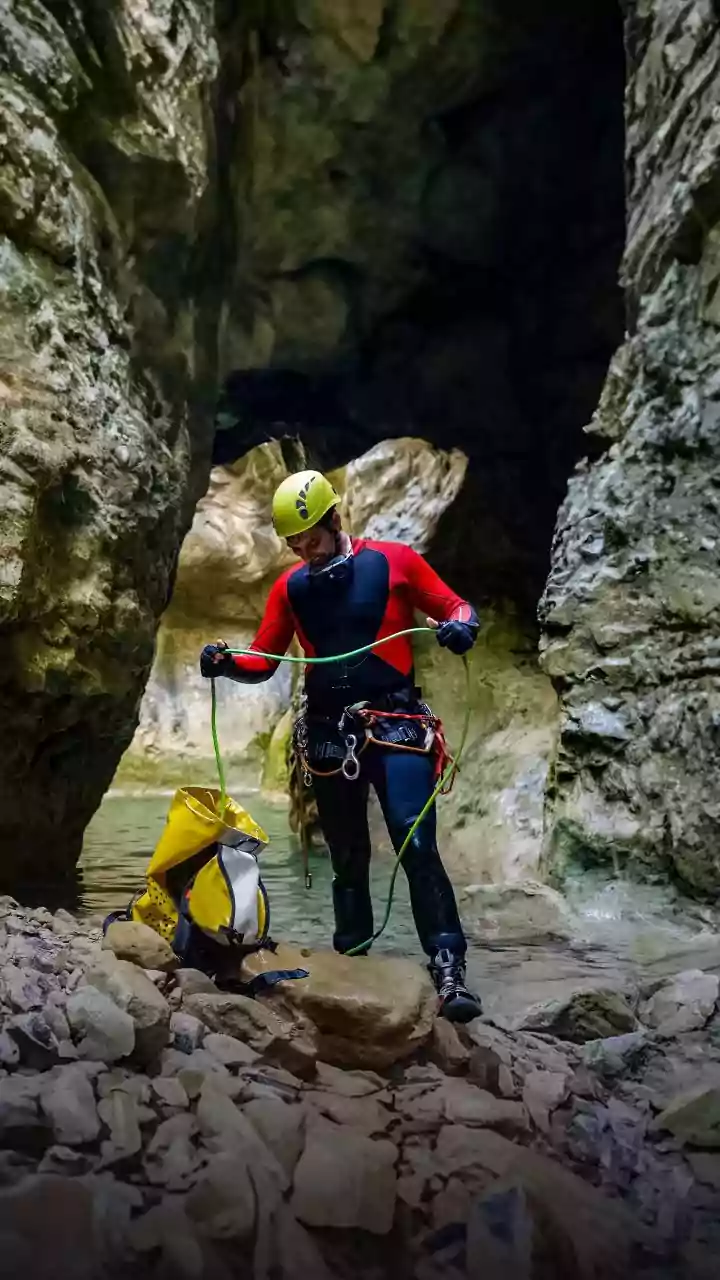
Keeping yourself dry is only half the battle; your gear needs protection too. A sodden backpack with wet spare clothes and a soggy lunch can be a major morale killer. The simplest solution is a backpack rain cover. Most modern trekking packs come with one, but they can also be bought separately. For an extra layer of security, line the inside of your backpack with a large plastic bag before you pack. Then, compartmentalise critical items—like your extra set of clothes, electronics, and first-aid kit—into smaller waterproof dry bags or even simple Ziploc bags. This ensures that even in a relentless downpour, you'll have a dry, warm layer to change into when you reach your destination.
6. Essential Extras: Small Items, Big Impact
Finally, a few small items can make a huge difference in your comfort and safety. Trekking poles are invaluable on slippery, muddy trails, providing extra stability and balance. A waterproof phone pouch allows you to navigate without risking water damage. Also, pack a quick-dry microfiber towel and a brimmed hat, which can be worn under your jacket's hood to keep rain from dripping into your eyes. These little choices don't add much weight but significantly improve your ability to handle whatever the weather throws at you, turning a potentially miserable slog into a memorable adventure.