






The Burnout from Strict Diets
For years, the wellness world has been dominated by all-or-nothing diets. These rigid plans often demand cutting out entire food groups, leading to feelings of deprivation and psychological fatigue. While the promise of quick results is tempting, the restrictive
nature of these diets makes them difficult to sustain long-term. Social gatherings become stressful, grocery shopping becomes a complex puzzle, and the constant vigilance can lead to a negative relationship with food, often creating a cycle of restriction and bingeing. This approach overlooks a fundamental truth: lasting health isn't about perfection, but consistency.
The Power of the Simple Swap
A new, gentler approach is taking hold: focusing on small, incremental changes. Instead of overhauling your entire kitchen, this philosophy champions the power of simple substitutions. The idea is to make your existing meals more nutritious without sacrificing the flavors you love. Research shows that even minor dietary changes, when practiced consistently, can lead to significant health benefits, such as lowering the risk for heart disease and diabetes. This method is more sustainable because it doesn't feel like a punishment; it’s about making healthier choices feel effortless and integrated into your daily life.
Upgrade Your Grains and Carbs
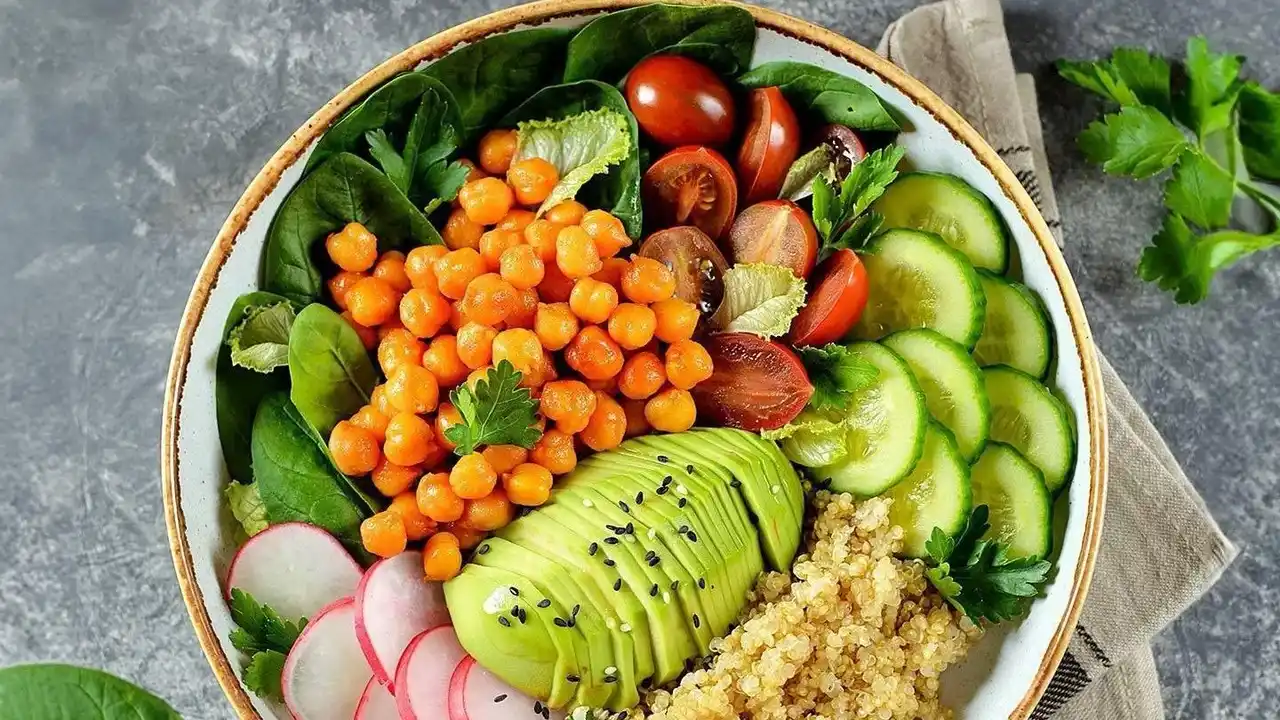
One of the easiest places to start is with your grains. Swapping refined grains for whole-grain alternatives can dramatically increase your fiber intake, which is crucial for digestive health and feeling full longer. Instead of white rice, try using brown rice, quinoa, or farro in your next meal. These whole grains offer more nutrients and antioxidants. When baking or making pasta, substitute at least half the all-purpose white flour with whole-wheat flour. For an even lighter texture in baked goods like muffins, whole wheat pastry flour is an excellent option.
Choose Smarter Fats and Sauces
Fats and sauces are where hidden calories and unhealthy ingredients often lie. A simple switch from mayonnaise on a sandwich to mashed avocado or hummus provides healthy monounsaturated fats and extra fiber. In recipes that call for sour cream, plain Greek yogurt is a fantastic substitute; it delivers a similar tangy flavor and creamy texture but with less saturated fat and more protein. When cooking, reach for heart-healthy oils like olive or avocado oil instead of butter or vegetable oil. For baking, unsweetened applesauce can replace a significant portion of the oil in recipes for cakes and muffins, cutting calories while keeping them moist.
Rethink Your Proteins and Dairy
Making smarter protein choices can also have a big impact. When a recipe calls for full-fat ground beef, consider using leaner options like ground turkey, ground chicken, or even plant-based alternatives like lentils or firm tofu. These swaps reduce saturated fat without compromising on the heartiness of the dish. For dairy, using low-fat or evaporated skim milk instead of whole milk or heavy cream in sauces and soups is an easy way to lower calorie and fat content significantly. Swapping full-fat cheeses for reduced-fat versions can also make a difference.
Hydrate and Snack Wisely
Sugary drinks are a major source of empty calories. Instead of reaching for soda or sweetened juice, try sparkling water with a squeeze of lemon or infused with fresh fruit. When it comes to snacking, trade potato chips for air-popped popcorn, raw vegetables with hummus, or a handful of unsalted nuts. These options provide the satisfying crunch you crave but come packed with fiber, protein, and healthy fats that will keep you full between meals. Even choosing a whole piece of fruit over fruit juice gives you more fiber and less sugar.