

The Rich Heritage of Plant-Based Eating
India's connection to vegetarianism is ancient and deeply woven into its cultural and religious fabric. For centuries, a significant portion of the population has thrived on diets where meat is absent, relying instead on a sophisticated and diverse array
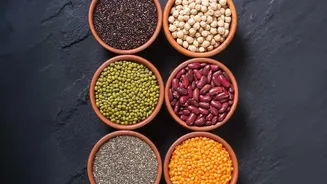
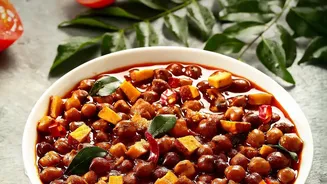
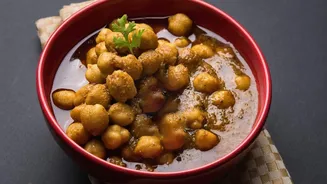
of plant-based foods. The cornerstones of this cuisine have always been pulses—the edible seeds of legumes like lentils, beans, and peas. Dishes like dal, sambar, chana masala, and rajma are not just meals; they are sources of essential protein and a fundamental part of India's culinary identity. This tradition has made India a global powerhouse of vegetarian cooking, offering a vast repertoire of dishes that are naturally rich in flavour and nutrition without relying on meat.
What 'Plant-Forward' Really Means
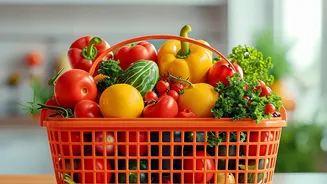
The term 'plant-forward' represents a modern evolution of this tradition. It is not strictly vegetarian or vegan but a conscious choice to make plant-based foods the star of the plate. This approach resonates strongly in India, where a growing awareness of health, sustainability, and ethical eating is leading many, especially younger generations like Gen Z, to reconsider their food choices. The plant-based food market in India is experiencing significant growth, driven by consumers who are looking for nutritious, innovative, and environmentally responsible options. This movement isn't about giving up traditional foods but about creatively centering plants in the diet, whether for every meal or just a few times a week.
A Modern Twist on Timeless Pulses
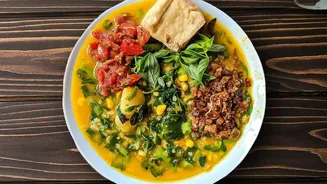
The heart of this new culinary wave lies in the creative reimagining of traditional pulse-based recipes. Chefs and home cooks are taking the humble dal and its cousins to new heights. Imagine savoury red lentil pancakes (masoor dal chilla) served as a chic brunch item, or sprouted mung bean salads providing a crunchy, protein-packed lunch. Some are transforming black beans into spicy burgers with an Indian twist or creating an 'Indian moong dal bake' that functions like a savoury eggless frittata. Even classic dishes are getting a contemporary update; for instance, the creamy dal makhani is celebrated for its indulgent, slow-cooked flavour that makes meat feel unnecessary. This innovation shows that tradition is not a static concept but a foundation for exciting new culinary expressions.
New Stars on the Indian Plate
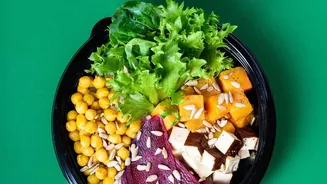
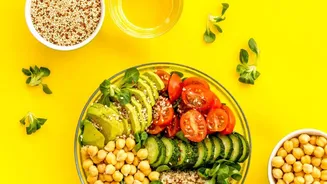
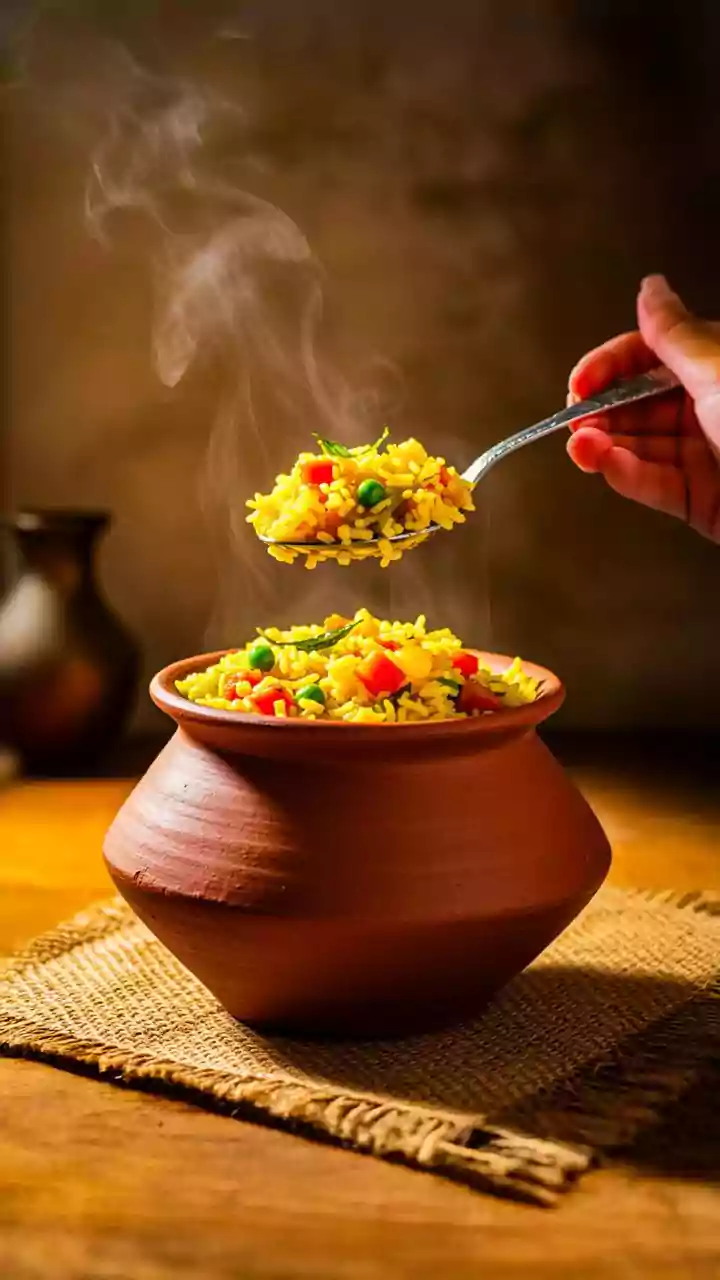
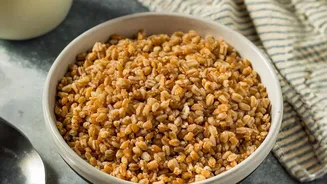
This trend is also marked by the enthusiastic adoption of ingredients that were not traditionally part of the Indian pantry. Grains like quinoa, vegetables like kale and avocado, and seeds like pumpkin and chia are now being seamlessly integrated into Indian flavour profiles. You might find a curried quinoa salad with spinach and avocado, offering a fusion of textures and nutrients. Kale and quinoa power bowls are being paired with Ayurvedic-inspired dressings featuring turmeric and ginger. Even a simple jeera rice is being reimagined as 'jeera quinoa', providing a healthier, protein-rich alternative that pairs perfectly with classic curries. This blending of local spices with global ingredients is creating a whole new category of healthy, exciting Indian food.
The Future is Green and Flavourful
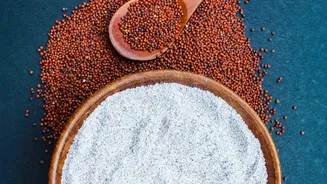
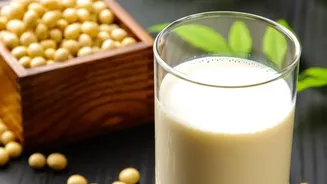
The plant-forward movement in India is more than a fleeting trend; it is a celebration of the country's rich culinary past and a look toward its innovative future. It leverages the inherent strength of Indian cuisine—its mastery of spices and its deep understanding of plant-based ingredients—and adapts it for a modern, health-conscious, and globally connected audience. As chefs and food companies continue to explore millet-based products, jackfruit meat, and new dairy alternatives, the possibilities are endless. This evolution ensures that the Indian plate remains dynamic, delicious, and deeply nourishing.