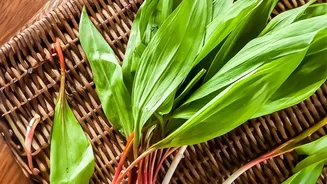

A Taste of the Wild
India is home to an incredible diversity of wild edible plants, with over 1,400 species consumed across the country. These are not weeds, but vital parts of regional ecosystems and diets. Think of the tender fiddlehead ferns of Uttarakhand, the succulent
Malabar spinach (basale soppu) from coastal regions, or the nutrient-packed leaves of the moringa tree. Others include colocasia leaves (arbi ke patte), the spiny amaranth (mullu keerai), and even the leaves of the passionfruit's wild cousin. For generations, these greens have been foraged from forests, farmlands, and roadsides, forming an integral part of local cuisines, from simple stir-fries in Assam to complex 'soppu saaru' gravies in Karnataka. Each green carries a unique flavour profile and a connection to the land that cultivated vegetables often lack.
The Keepers of Generational Knowledge
The knowledge of which plants are edible, when to harvest them, and how to prepare them is not found in modern textbooks. It is a living library held by indigenous and tribal communities. Foraging is a way of life, a practice passed down through generations that connects people to their land and history. Foragers possess a deep understanding of the ecosystem, knowing to pick only tender leaves, never uprooting the whole plant, and leaving enough for other species. This wisdom ensures the sustainability of the practice. Communities like the Soliga in Karnataka or the Gond and Baiga in Central India depend on these foraged foods not just for sustenance, but as a part of their cultural identity. When we create a demand for these greens, we validate and help preserve this invaluable traditional ecological knowledge, which is rapidly declining due to habitat loss and changing food preferences.
The Economics of Empowerment
For many tribal and forest-dependent communities, selling foraged produce, known as Minor Forest Produce (MFP), is a significant source of income. Studies show that wild food plants can contribute between 15 to 20 per cent of a household's annual income in some communities. By choosing to buy these greens from local 'haats' (village markets) or through organised channels, consumers directly contribute to the economic stability of these foraging families. This creates a sustainable, decentralised economy that empowers communities, especially women, who are often the primary foragers and sellers. Government initiatives like the Van Dhan Yojana and organisations like TRIFED aim to create structured value chains and ensure fair prices, but consumer demand is the engine that drives this wildlife economy.
More Than Just Food: Nutrition and Biodiversity
Wild greens are nutritional powerhouses. Often richer in micronutrients, vitamins, and antioxidants than their cultivated counterparts, they can play a vital role in combating 'hidden hunger' or micronutrient deficiencies. For example, moringa leaves contain more vitamin C than oranges and significantly more iron than spinach. Punarnava, often found growing by the roadside, is prized in Ayurveda for its rejuvenating properties. By incorporating a variety of these greens, we not only boost our own health but also support the biodiversity of our food systems. A reliance on a few cultivated crops makes our food supply vulnerable. Promoting the use of wild edibles encourages the conservation of these resilient native species and the habitats they grow in.
How You Can Participate
Supporting this ecosystem is easier than you might think. Start by visiting local and farmers' markets and asking vendors about unfamiliar greens. Many sellers, especially in smaller towns, source their produce from foraged collections. Some initiatives and platforms are emerging to bridge the gap between urban consumers and foraging communities, helping to document and popularise these forgotten foods. When you do find these greens, start simple. Most can be stir-fried with oil, salt, and spices, added to dals, or mixed into batters for dosas or parathas. The key is to be curious, ask questions, and be willing to try something new. By doing so, you are not just cooking a meal; you are participating in a cycle of cultural preservation, economic empowerment, and ecological stewardship.