







The Foundation: Your Two-Step Marinade
The soul of any great tikka is its marinade. Most homemade versions go wrong here, mixing everything at once. The restaurant secret is a two-step process. First, toss your paneer cubes gently in a simple 'dry' marinade of ginger-garlic paste, red chilli
powder, turmeric, and salt. Let this sit for 15-20 minutes. This initial coating allows the core flavours to penetrate the paneer itself. Only after this do you prepare the second, 'wet' marinade. The base for this is the most crucial element: hung curd. Regular dahi is too watery and will create a pasty, sad coating. To make hung curd, simply place plain yogurt in a muslin cloth or fine-mesh sieve over a bowl and let the whey drain for at least an hour (or overnight in the fridge). The result is a thick, creamy base that will cling beautifully to your paneer.
The Flavour Trinity: Beyond Basic Masalas
Once you have your thick hung curd, it's time to build the iconic flavour profile. This is where you add roasted besan (gram flour), which acts as a binder and prevents the marinade from sliding off. Just dry-roast a couple of tablespoons of besan in a pan on low heat until it becomes aromatic. To this base, add your core spices: coriander powder, cumin powder, and garam masala. But the real game-changers are what we call the 'flavour trinity'. First, a generous pinch of kasuri methi (dried fenugreek leaves), crushed between your palms to release its aroma. Second, a spoonful of mustard oil for that authentic, pungent kick. And third, a sprinkle of chaat masala and black salt (kala namak) right at the end. This trio provides the complex, tangy, and slightly smoky notes that scream 'restaurant-style'.
Assembly and the Art of the Skewer
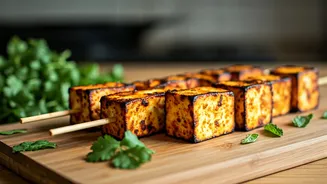
Now, gently combine the paneer from the first marinade with the thick, flavour-packed second marinade. Add cubes of sturdy vegetables like onions (separated into petals) and capsicum (in red, yellow, and green for colour). Let this entire mixture rest for at least 30 minutes, or up to a few hours in the refrigerator. This allows all the flavours to meld together. When you’re ready to cook, thread the paneer and vegetables onto skewers. If you're using wooden skewers, remember to soak them in water for at least 30 minutes to prevent them from burning. Alternate between paneer, onion, and capsicum to ensure everything cooks evenly and each bite is a perfect mix of textures and flavours.
Bringing the Heat: Faking a Tandoor at Home
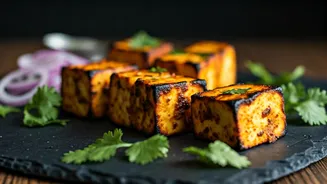
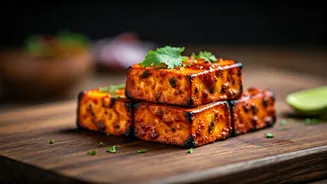
You don't need a clay oven to get that signature char. The key is high, direct heat. Your best option is an oven. Preheat it to its highest temperature (around 230-240°C) with the grill or broil setting on. Place your skewers on a wire rack set over a baking tray and cook for 7-10 minutes, then flip and cook for another 5-7 minutes, or until you see those beautiful blackened spots. Brush with a little melted butter or oil halfway through for extra moisture and richness. No oven? A grill pan or even a heavy-bottomed tawa works well. Get it piping hot, brush with oil, and cook the skewers, turning them every few minutes until they are charred on all sides.
The Final Flourish: Dhungar for Smoky Perfection
This is the ultimate hack. To get that authentic, smoky tandoor flavour, use the dhungar method. After your tikka is cooked, place the skewers in a large bowl. In the centre, place a small steel katori or a piece of onion. Heat a small piece of charcoal over a direct flame until it’s red hot. Carefully place the hot charcoal in the katori. Drizzle a spoonful of ghee or oil over the charcoal—it will immediately start to smoke profusely. Instantly cover the bowl with a tight-fitting lid and let the tikkas infuse in the smoke for 2-3 minutes. This simple step elevates your homemade paneer tikka from 'good' to 'unbelievably authentic'.