



A Return to Regional Roots
The monolithic concepts of 'North Indian' or 'South Indian' food are giving way to a much deeper, more nuanced exploration of the country's culinary map. Diners are no longer satisfied with standardised menus; they crave meals that tell a story of a specific
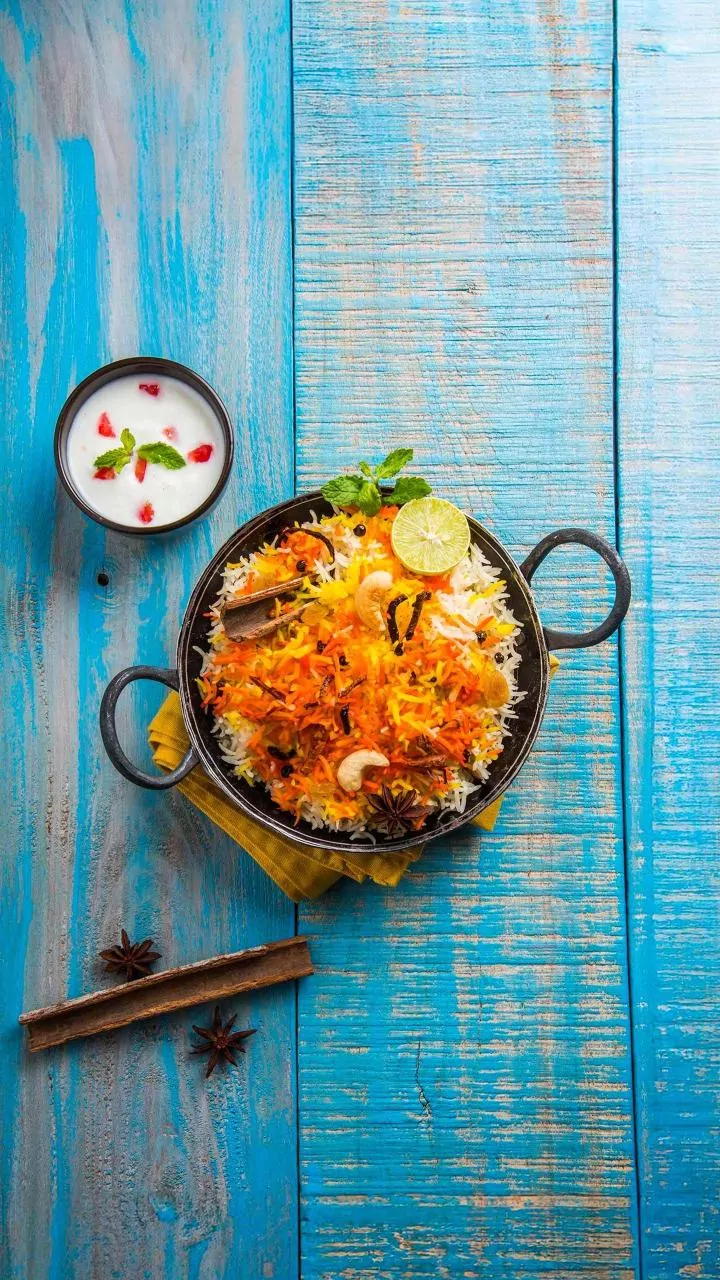
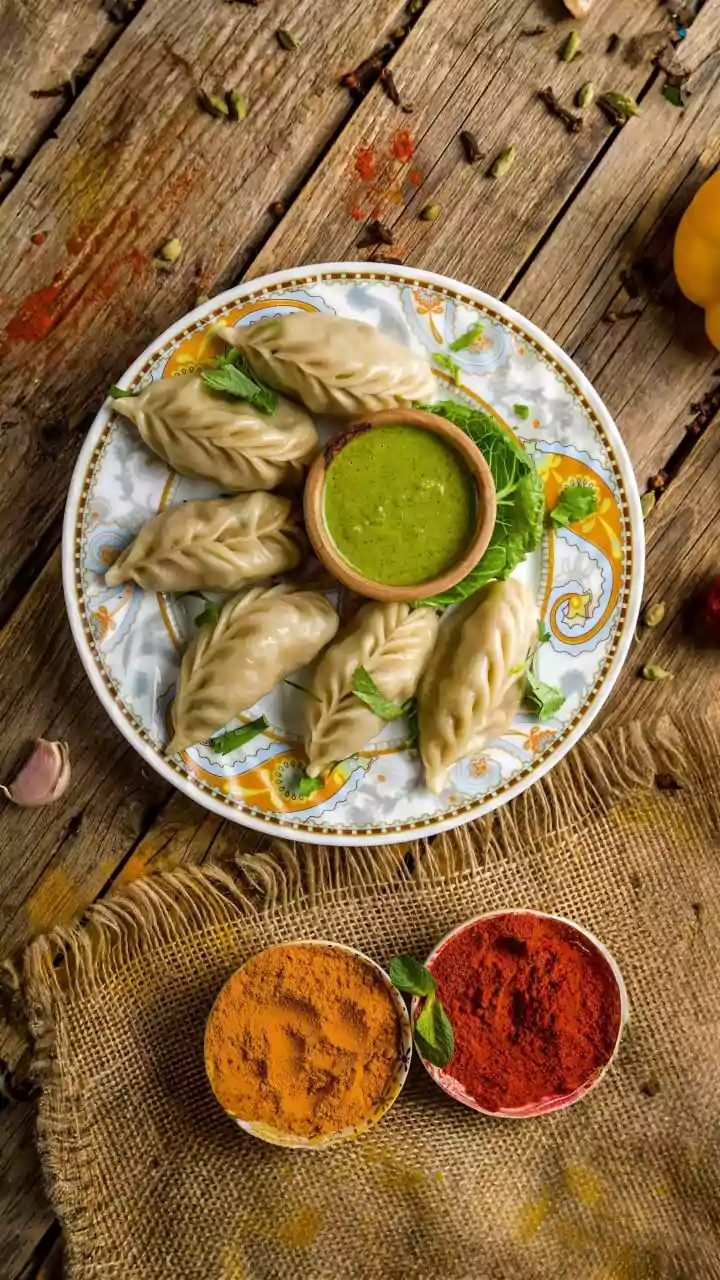
place. This has sparked the rise of 'hyper-regional' cuisine, a movement celebrating the unique food traditions of smaller regions, communities, and even villages. Restaurants are now proudly serving dishes once confined to home kitchens, from the smoky pork and bamboo shoot curries of Nagaland to the fragrant Mappila biryanis of Kerala and the distinct flavours of Kodava cuisine in Karnataka. This isn't just about nostalgia; it’s a cultural rediscovery, preserving culinary heritage in a modern context. It represents a shift towards authenticity, where the history behind a dish becomes as important as its taste.
Chefs as Culinary Archaeologists
Driving this movement is a new generation of Indian chefs who are acting as culinary storytellers and preservationists. They are travelling to remote corners of the country, foraging for indigenous ingredients like Himalayan sea buckthorn and wild greens from Maharashtra, and reviving forgotten recipes. Chefs like Prateek Sadhu at his Himalayan-forward restaurant Naar are building entire dining experiences around ingredients sourced from local farmers or foraged from the surrounding forests. This ingredient-first philosophy celebrates India’s immense biodiversity, placing ancient grains, hardy millets, and hyperlocal produce at the centre of innovative, contemporary menus. By doing so, they are creating a new, confident identity for modern Indian food—one that is deeply rooted in its own soil yet presented with global finesse.
A Passport on a Plate
At the same time Indian diners are looking inward, they are also looking outward with an unprecedented appetite for authentic international food. The long-reigning duo of Indian-Chinese and American-style Italian now has serious competition. A recent report highlighted the explosive growth in orders for global cuisines, with Korean food growing 17-fold in five years, Vietnamese six-fold, and Mexican nearly four-fold. Fueled by the K-pop and K-drama wave, Korean fried chicken and ramen have become staples, particularly among Gen Z diners. Pan-Asian restaurants are also expanding their offerings to include authentic Japanese sushi, Vietnamese pho, and Thai curries, reflecting a palate that is becoming increasingly globalised and adventurous.
What's Fuelling the Hunger?
Several forces are stirring this culinary shift. A younger generation of Indians, exposed to global cultures through travel and social media, is driving the demand for both authenticity and novelty. They are curious, informed, and eager to experiment. This digital exposure works both ways; food bloggers and Instagram influencers have given a massive platform to lesser-known regional chefs and international food trends alike, creating a groundswell of interest. Furthermore, the proliferation of online delivery platforms has made it easier than ever to access a world of flavours from the comfort of home, turning a niche interest into a mainstream phenomenon. Ultimately, these parallel trends reflect a growing confidence in India's culinary identity—one that is secure enough to celebrate its own diversity while openly embracing the best of the world.