






Skincare as the Gateway
The boom in the Indian beauty market was impossible to miss. Social media feeds filled with ingredient-led serums and sunscreens, and skincare became a form of accessible self-care. For many millennials and Gen Z, building a routine was an entry point
into paying attention to their own needs. It was a way to exert control and practice a daily ritual in a world that often felt chaotic. This focus on external well-being laid the groundwork for a much broader conversation about what it truly means to feel good, creating a generation that is highly aware of the connection between lifestyle and health.
The Pivot to Holistic Health
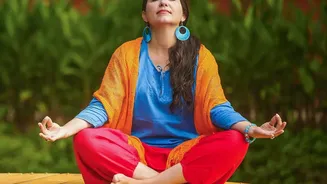
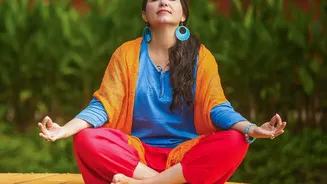
The conversation has evolved from symptom relief to addressing the root cause. Young Indians are now asking deeper questions about chronic stress, poor sleep, and burnout. This has led to a surge in holistic wellness practices. There is a renewed interest in traditional Indian knowledge like Ayurveda and yoga, not as old-fashioned remedies, but as proactive tools for modern life. Practices like breathwork and meditation are being integrated alongside conventional medicine. This generation is not choosing between tradition and science; it is blending them to create a sustainable health model that prioritizes prevention over cure.
Mental Wellbeing Becomes Non-Negotiable
Perhaps the most significant shift is the open embrace of mental healthcare. For a generation facing hyper-competitiveness and information overload, mental wellness is no longer a luxury but a core part of their budget. Therapy sessions, once stigmatized, are now seen as a non-negotiable expense for mental maintenance, much like a gym membership for physical health. The use of mental wellness apps and mindfulness tools is on the rise, reflecting a proactive approach to managing anxiety and stress. This willingness to invest in mental health signals a profound reorientation of priorities, where feeling good emotionally is just as important as looking good physically.
Investing in Skills and Experiences
Self-care is also expanding to include personal growth and community. Faced with urban loneliness, many young professionals are spending money on experiences that foster connection and learning. Pottery workshops, running clubs, and trekking communities are booming as people seek real human interaction over digital-only friendships. There is also a strong drive toward upskilling, with government initiatives like the Skill India Mission providing platforms for youth to gain industry-relevant expertise. This focus on learning new skills—whether for career advancement or personal fulfillment—is seen as another form of investing in oneself.
Financial Wellness as the Foundation
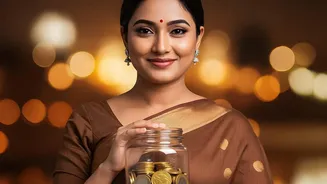
A surprising but crucial pillar of this new self-care ethos is financial wellness. More financially literate than previous generations, young Indians understand that managing money is a form of self-respect that reduces long-term anxiety. They are actively saving, investing in stocks and mutual funds, and using digital tools to manage their budgets. This isn't about chasing wealth for status; it's about building security and independence. Prioritizing financial health is seen as a way to create a stable foundation, allowing them the freedom to pursue other forms of well-being without constant financial stress.