

The Cold-Pressed Difference
The term “cold-pressed,” often seen as “Kachi Ghani” or “wood-pressed,” refers to an extraction method that uses mechanical pressure at low temperatures to get oil from seeds. Unlike refined oils, which are processed with high heat and chemicals, this
gentle technique preserves the oil's natural flavour, aroma, and nutritional profile. Cold-pressed oils retain more vitamins, antioxidants, and healthy fatty acids that are otherwise lost during industrial refining. The result is a purer, more flavourful oil that can elevate the authenticity of your cooking.
Mustard Oil: The Pungent Powerhouse
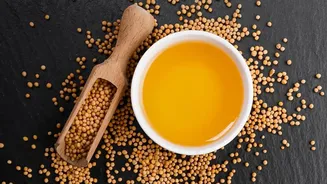
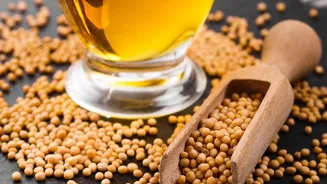
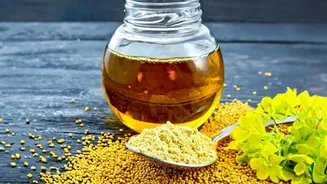
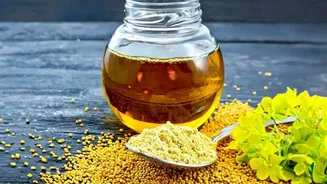
A staple in North and East Indian cuisines, cold-pressed mustard oil is known for its sharp, pungent aroma and flavour. This distinct taste comes from a compound called allyl isothiocyanate, which also gives it natural antimicrobial properties, making it excellent for pickling. When buying, look for a deep golden-yellow or amber colour and a strong, sharp scent—these are signs of purity. The label should clearly state “cold-pressed” or “kachi ghani” and list only 100% mustard seeds in the ingredients. With a high smoke point, it’s versatile enough for deep-frying fish, sautéing vegetables for dishes like Sarson da Saag, or using in a tadka for dals.
Sesame Oil: The Nutty Classic
Sesame oil, or 'til ka tel', is cherished in South Indian and some North Indian winter cuisines for its rich, nutty flavour. There are two main types: light sesame oil made from raw seeds, which is suitable for cooking, and dark (or toasted) sesame oil, which has a more intense flavour and is best used as a finishing oil. For traditional Indian recipes like Ellu Sadam or for mixing with idli podi, the lighter, cold-pressed variety is typically used. A quality cold-pressed sesame oil will have a pleasant nutty aroma and a smooth, slightly thick consistency. It is rich in antioxidants and adds a distinctive flavour to stir-fries, marinades, and chutneys.
Groundnut Oil: The Versatile Favourite
Cold-pressed groundnut oil, also known as peanut oil, is a versatile cooking medium popular in Western and Southern India, especially in Gujarat, Maharashtra, and Tamil Nadu. It has a mild, nutty flavour that doesn't overpower the other ingredients in a dish, making it an excellent all-rounder. It is also naturally rich in Vitamin E and heart-healthy monounsaturated fats. With a high smoke point, it's ideal for deep-frying snacks like bhajiyas and vada pav, as well as for everyday sautéing and tempering. When choosing a bottle, look for a deep yellow colour and a pleasant, sweet, nutty fragrance, which indicates it's pure and unrefined.
A Smart Shopper's Checklist
When you're at the store, a few simple checks can ensure you're buying a quality product. First, always look for the words “cold-pressed,” “wood-pressed,” or “kachi ghani” on the label. Second, check the ingredients list to ensure it’s 100% pure oil with no blends or additives. Third, opt for oils packaged in dark glass bottles or opaque containers, as this protects them from light and prevents them from going rancid quickly. Finally, trust your senses. A pure cold-pressed oil will have the distinct, natural aroma and colour of the seed it came from. An oil that smells faint or off may be old or adulterated.