




Why the Concrete Jungles Are Turning Green
The balcony gardening movement in Chennai is more than just a passing trend; it's a response to modern urban life. The push began gaining momentum during the pandemic lockdowns, when people confined to their apartments sought a connection to nature and a meaningful
way to pass the time. What started as a simple hobby has now blossomed into a full-fledged lifestyle choice. For many, it’s a way to de-stress, find a moment of mindfulness, and beautify their living spaces. The desire for organic, pesticide-free produce is another significant driver, giving families direct control over what they eat. In a bustling city, a small patch of green offers a quiet retreat and a powerful sense of accomplishment.
Your Balcony, Your Organic Bazaar
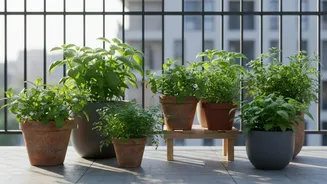
The benefits of cultivating a balcony garden extend far beyond aesthetics. The most immediate reward is access to hyper-local, fresh produce. Imagine snipping fresh curry leaves, mint, or chillies just moments before cooking. This not only enhances the flavour of meals but also provides peace of mind, knowing your food is free from chemical pesticides. Many urban gardeners report significant savings on their grocery bills, especially with rising vegetable prices. Furthermore, tending to plants has proven therapeutic benefits, helping to reduce stress and improve mental well-being. These green corners also contribute to the local environment by improving air quality, providing a habitat for pollinators, and helping to reduce the urban heat island effect.
Getting Started: Your First Three Steps
Starting your own balcony garden is simpler than you might think. First, assess your sunlight. Observe your balcony to see how many hours of direct sun it gets daily; this will determine which plants will thrive. South and west-facing balconies are great for sun-loving plants, while east-facing spots are perfect for herbs. Second, choose your containers. Begin with lightweight options like grow bags or plastic pots to manage weight, ensuring they have drainage holes to prevent waterlogging. Third, use the right soil. Avoid using heavy garden soil, which compacts easily. Instead, opt for a light, nutrient-rich potting mix, often containing cocopeat, which is excellent for retaining moisture in Chennai’s heat.
What to Grow in Chennai's Climate
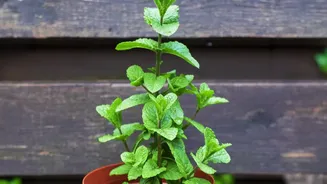
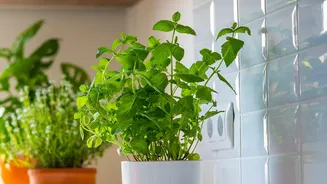
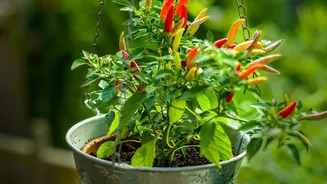
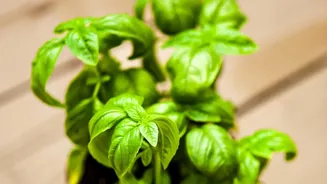
Chennai's warm climate is conducive to growing a wide variety of plants year-round. For beginners, it's best to start with hardy, low-maintenance options. Essential kitchen herbs like tulsi (holy basil), curry leaves, mint, and coriander are perfect for small pots and are used frequently in Indian cooking. When it comes to vegetables, tomatoes, chillies, brinjal (eggplant), and okra (ladies' finger) do exceptionally well in the city's sunny conditions. If you love flowers, heat-tolerant varieties like hibiscus, bougainvillea, jasmine (mogra), and marigold will add vibrant colour to your space and thrive with minimal fuss. These plants are not only adapted to the local weather but are also rewarding for first-time growers.
Beating the Urban Gardener's Blues
Every gardener faces challenges, but they are easily managed with a bit of knowledge. Pest control is a common concern; a simple spray made of neem oil and soapy water can effectively deter most common pests organically. For the intense summer sun, especially on west-facing balconies, consider using a green shade net to protect delicate plants from scorching. Proper watering is crucial. Check the soil's moisture by touching it; water only when the top inch feels dry. To maximize a small space, think vertically. Use railing planters, hanging pots, and wall-mounted shelves to create more room for your green friends. This approach allows you to grow a surprising number of plants even on a compact balcony.