




Start with a Smart Cleanser
During the monsoon, your skin accumulates sweat, oil, and environmental pollutants, creating a perfect breeding ground for acne-causing bacteria. A gentle yet effective cleanser is your first line of defense. Opt for a gel-based or foaming face wash containing
salicylic acid. This beta-hydroxy acid (BHA) is oil-soluble, meaning it can penetrate deep into your pores to dissolve sebum and dead skin cells, preventing clogs before they start. It's crucial not to over-wash; cleansing twice a day is sufficient. Over-cleansing can strip your skin's natural barrier, prompting it to produce even more oil to compensate.
Incorporate a Balancing Serum
After cleansing, a lightweight serum can deliver potent ingredients to target specific concerns. Niacinamide, a form of vitamin B3, is a superstar for oily and acne-prone skin. It helps regulate sebum production, which can visibly reduce shine and minimize the appearance of enlarged pores. Furthermore, niacinamide has anti-inflammatory properties that can calm the redness and irritation associated with breakouts. Other beneficial ingredients to look for in a monsoon serum include azelaic acid, which has antimicrobial properties helpful in humid weather.
Don't Skip the Moisturizer
It's a common mistake to skip moisturizer when your skin already feels sticky or oily. However, environmental humidity doesn't replace the need for topical hydration. Dehydrated skin often produces more oil to make up for the lack of moisture. The key is to choose the right formula. A lightweight, non-comedogenic, gel-based moisturizer is ideal for the monsoon season. Look for ingredients like hyaluronic acid, which hydrates the skin by drawing in moisture without clogging pores or feeling heavy.
Protect with a Non-Greasy Sunscreen
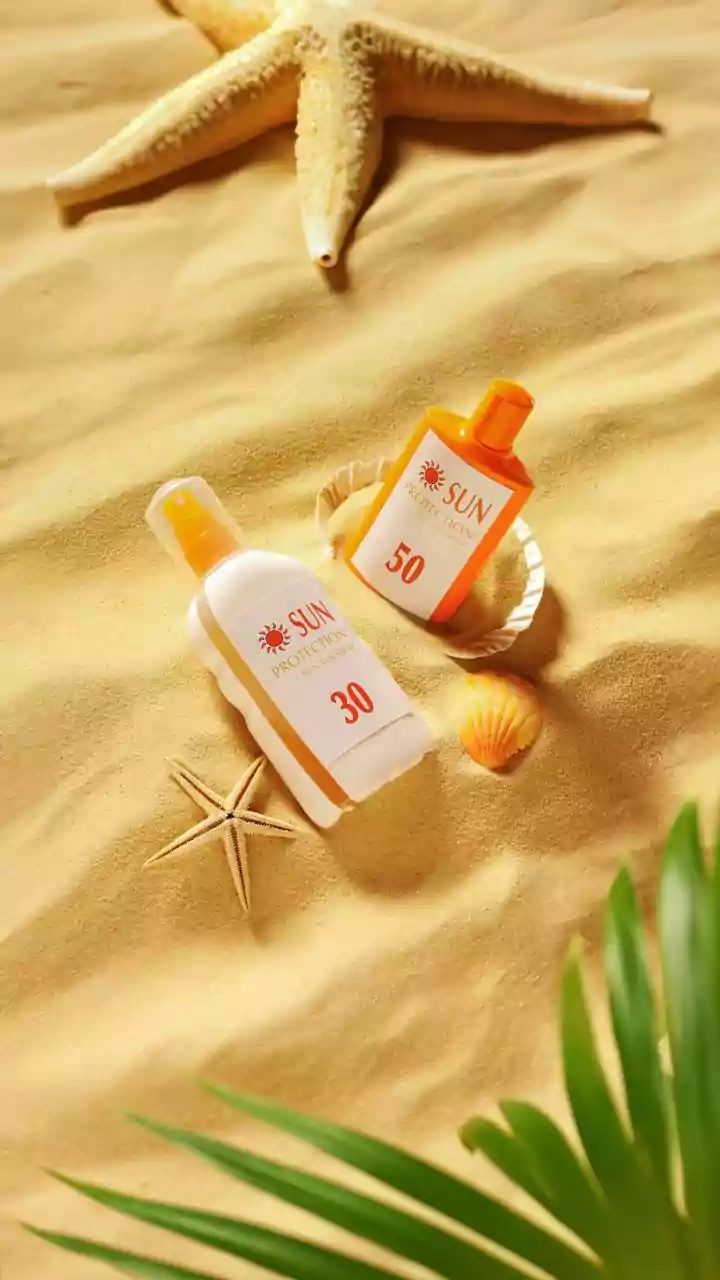
Even on cloudy, rainy days, sunscreen is non-negotiable. Up to 80% of the sun's harmful UV rays can penetrate through cloud cover. For those with acne-prone skin, sun exposure can worsen post-inflammatory hyperpigmentation, the dark spots left behind after a pimple heals. During the monsoon, choose a broad-spectrum sunscreen with an SPF of 30 or higher. A gel-based, water-resistant, or matte-finish formula will feel more comfortable in the humidity and is less likely to clog pores or feel greasy on the skin.
Add a Weekly Clay Mask
To give your skin an extra deep clean, consider incorporating a clay mask into your routine once or twice a week. Clay masks, particularly those with bentonite or kaolin clay, are excellent at absorbing excess oil and drawing out impurities from the pores. This weekly treatment can help reduce shine, prevent congestion, and leave your skin feeling refreshed and mattified. Regular use helps maintain clearer pores throughout the humid season, reducing the likelihood of blackheads and breakouts.
Rethink Your Exfoliation Strategy
While exfoliation is important for removing dead skin cells that can clog pores, it's essential to be gentle, especially when your skin is already reactive due to humidity. Avoid harsh physical scrubs, which can cause micro-tears and irritation, potentially worsening acne. Instead, opt for gentle chemical exfoliants. Cleansers or toners with salicylic acid or glycolic acid, used a few times a week, can effectively keep pores clear without being abrasive. Limiting exfoliation to 1-2 times per week is generally recommended to prevent irritation.