







What Are 'Seed Oils,' Anyway?
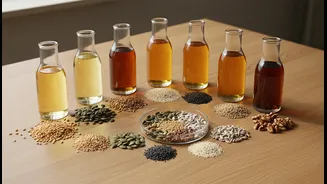
The term 'seed oil' is a broad category for any fat extracted from the seeds of a plant. This group includes a wide variety of common cooking oils like canola, sunflower, soybean, corn, grapeseed, sesame, and flaxseed. They're popular in home kitchens,
restaurants, and processed foods because they are often affordable, have a neutral flavor, and can be used in many types of cooking. However, their shared origin from seeds is where the similarities can end. Their nutritional profiles, processing methods, and, ultimately, their effects on health can differ dramatically.
The blanket case against seed oils
Much of the criticism against seed oils revolves around two main points: their high content of omega-6 fatty acids and the industrial methods used to process them. The concern is that modern diets have an imbalanced ratio of omega-6 to omega-3 fatty acids, which some argue could promote chronic inflammation. Critics also point to the high-heat and chemical solvent-based refining processes that most commercial seed oils undergo, suggesting these methods can strip nutrients and create harmful compounds. This has led to a narrative online where the entire category is dismissed as 'toxic' or unhealthy.
Why Specifics Matter: Not All Oils Are Equal
This is where the headline's advice becomes critical. A 'sunflower oil' is not just a sunflower oil. For instance, traditional sunflower oil is high in polyunsaturated omega-6 fats, the very kind critics worry about. However, a different variety, 'high-oleic' sunflower oil, has been bred to be rich in monounsaturated fats—the same type of heart-healthy fat found in olive oil. This high-oleic version is more stable for cooking at high heat and doesn't carry the same concerns about high omega-6 content. Similarly, lumping flaxseed oil in with corn oil is misleading. Flaxseed oil is prized for being one of the richest plant sources of alpha-linolenic acid (ALA), an anti-inflammatory omega-3 fatty acid. It is praised for its potential to support heart health, reduce inflammation, and improve digestion.
The Role of Processing
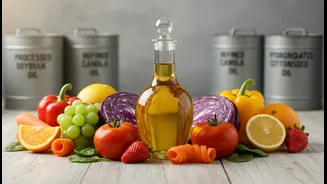
How an oil is made also significantly impacts its quality. Cold-pressed or expeller-pressed oils are extracted mechanically without high heat or chemical solvents. This method is common for oils like extra virgin olive oil and unrefined flaxseed oil, helping to preserve their nutrients and flavor profiles. In contrast, many conventional seed oils are refined, bleached, and deodorized to give them a neutral taste and longer shelf life. While major health organizations deem this process safe, it's a different product from its unrefined counterpart. Choosing a 'cold-pressed' oil over a 'refined' one is another way specificity matters more than the general 'seed oil' label.
So, What's the Bottom Line?
Instead of avoiding all seed oils, a more nuanced approach is to choose the right oil for the right purpose. Many nutrition experts and health organizations like the American Heart Association agree that replacing saturated fats (like butter and lard) with unsaturated fats from vegetable oils can be beneficial for heart health. For high-heat cooking like roasting or frying, a stable oil like high-oleic sunflower oil or canola oil is a good choice. For salad dressings or as a finishing oil where no heat is applied, a nutrient-rich, cold-pressed oil like flaxseed oil can provide a dose of healthy omega-3s. The problem isn't necessarily the seed oils themselves, but often their inclusion in ultra-processed foods that are high in sugar and sodium. Focusing on a balanced diet with a variety of fats is more important than demonizing an entire, diverse category of food.