






Choose Your Treats Wisely
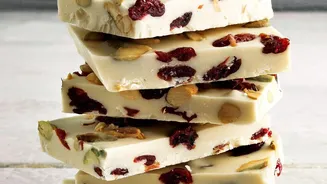
The first step is selecting gifts that are built to last. Not all sweets and snacks travel well. Dry, dense items are your best friends for shipping. Think besan ladoos, dry fruit-based sweets like anjeer chikki, and firm cookies like biscotti or shortbread.
These have lower moisture content and a longer shelf life, often staying fresh for a week or more. Sweets rich in ghee and sugar, such as Kaju Katli or Mohanthal, are also sturdy options. It's best to avoid treats that are delicate, require refrigeration, or have creamy fillings, especially for long-distance journeys. Items like kalakand, rasmalai, or anything with fresh milk have a very short shelf life, sometimes only a day or two even with refrigeration, making them risky choices for gifting unless delivered locally and immediately.
Prioritise Kitchen Hygiene
Food safety begins before you even start mixing ingredients. Always prepare your gifts in a clean environment. This means thoroughly washing your hands with soap and warm water, and ensuring all utensils, bowls, and countertops are properly cleaned and sanitised. This simple step is crucial for preventing cross-contamination and the growth of bacteria, ensuring your gift is safe to eat upon arrival. When preparing food, be mindful of allergens and consider labelling your gifts with a list of ingredients. This is a thoughtful touch that shows care for the recipient's health and dietary needs.
Master the Art of Packaging
Proper packaging is non-negotiable; it protects against breakage and preserves freshness. The golden rule is to use airtight containers. Allow all baked goods to cool completely before packing to prevent condensation, which can cause sogginess and spoilage. For mixed assortments, wrap different items individually in plastic wrap or waxed paper. This prevents flavours from mingling and keeps crisp items from absorbing moisture from softer ones. When packing the shipping box, place heavier, sturdier items at the bottom. Fill any empty space with cushioning material like bubble wrap, crumpled paper, or even popcorn in sealed bags to stop the contents from shifting during transit.
Manage Temperature and Transport
For items that are even slightly perishable, temperature control is key. The goal is to keep food out of the 'danger zone' (between 40°F and 140°F), where bacteria can multiply rapidly. For local deliveries, an insulated bag can help maintain a cool temperature. If you must ship perishable foods, it's essential they remain below 40°F. This may require using an insulated cooler with a cold source like dry ice, but handle it with care. Always choose a speedy shipping method and try to send packages at the beginning of the week to avoid them sitting in a warehouse over the weekend. Clearly label the box as "Perishable Food" and "Fragile" to alert the handlers.
Add Clear Instructions
The final, thoughtful step is to provide clear information for the recipient. A small, elegant tag or card with the name of the treat, the date it was made, and storage instructions is incredibly helpful. For example, specify whether the item should be refrigerated or stored in an airtight container at room temperature. It’s also a great idea to list the main ingredients, which is crucial for anyone with food allergies. Finally, always alert the recipient that a package is on its way, so they can look out for it and store it properly as soon as it arrives. This ensures your hard work and thoughtful gesture are fully appreciated.