




The Great Condiment Debate
Condiments are often at the center of the refrigeration debate. For ketchup, refrigeration after opening is recommended to maintain quality, though it can safely stay at room temperature for about a month due to its high acidity. Most mustards are also
acidic enough to be safe in the pantry, but chilling them preserves their potent flavour. Mayonnaise, on the other hand, is a must-refrigerate item once opened because of its egg content, even when commercial versions use pasteurized eggs. Soy sauce contains a lot of salt, which acts as a preservative, so it can be stored in a cool, dark cupboard for a few months, but refrigeration will better protect its flavour from degrading over time. Hot sauces are generally high in vinegar and can last for years in the pantry, but refrigeration helps maintain their heat and colour.
Sweet & Sticky Staples
When it comes to sweet syrups and spreads, the rules vary significantly. Pure maple syrup is a prime example of an item that must be refrigerated after opening. Unlike processed pancake syrups, it contains no preservatives and can develop mould quickly at room temperature. Honey is the exception to almost every rule; its low water content and natural antimicrobial properties mean it will never spoil, so it should be kept in the pantry. Refrigeration will only cause it to crystallize and harden. Jams, jellies, and preserves, however, should always be refrigerated after opening. While sugar acts as a preservative, it's not enough to stop mould and yeast from growing once the seal is broken. Refrigeration slows this process dramatically, extending their life for months.
Nut Butters and Spreads
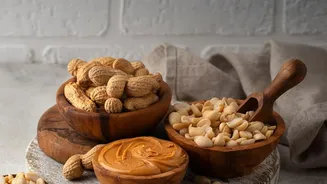
The peanut butter aisle offers a clear divide. Conventional, processed peanut butters with added stabilizers and hydrogenated oils do not require refrigeration. They can last for several months in the pantry after opening. In fact, refrigerating them can make them hard and difficult to spread. Natural peanut butters—the kind where the oil separates—are a different story. Because their oils can go rancid, refrigeration is highly recommended after opening to keep them fresh, especially if you won't finish the jar within a few weeks. The same logic applies to other natural nut butters and seeds, which have fragile oils that benefit from being kept cool.
Pickled and Brined Goods
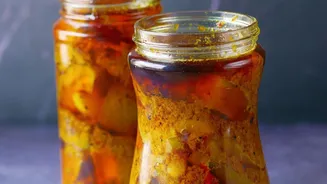
Items packed in brine, like pickles, olives, and capers, have a built-in preservative. The acidic and salty liquid creates an inhospitable environment for bacteria. For this reason, they are generally safe to keep in the pantry for a period after opening. However, refrigeration is highly recommended to maintain their texture and crispness. Leaving them at room temperature can cause them to become soft over time. For best quality and a longer shelf life after the jar has been opened, the refrigerator is your best bet. According to USDA guidelines, opened pickles can last for one to three months in the fridge. Relish has a much longer refrigerated life of about nine months.
Oils, Flours, and Grains
Not all pantry staples are as shelf-stable as they seem once opened. While most cooking oils like olive oil and vegetable oil are fine in a cool, dark cupboard, delicate nut oils can go rancid and should be refrigerated. The same principle applies to whole-grain flours. Unlike refined white flour, whole wheat and other whole-grain flours contain the nutrient-rich germ and bran, which have oils that can spoil. Storing these flours in the fridge or freezer after opening is the best way to extend their shelf life and protect them from going rancid. Similarly, nuts and seeds themselves are best stored in the refrigerator to protect their natural oils from spoiling, which preserves their flavour for much longer.