








What is Grounding, Really?
Before you dismiss it as a fleeting trend, let's unpack the idea. At its core, walking barefoot on a natural surface—be it grass, sand, or dirt—is often called 'grounding' or 'earthing'. The practice is built on two key ideas. The first is biomechanical:
our feet, which are marvels of engineering with dozens of bones, joints, and muscles, were designed to interact with varied, uneven terrain. Modern shoes, with their stiff soles and cushioned support, can restrict this natural movement, leading to weaker foot muscles and potentially contributing to issues with posture and gait. The second idea is more holistic, suggesting that direct physical contact with the Earth's surface allows for a transfer of free electrons into the body, which may help neutralize free radicals and reduce inflammation. While the science on this is still developing, the physical benefits are more established.
The Science of Your Soles
The headline's promise of 'better alignment' starts here. When you walk barefoot, thousands of nerve endings in your feet, called proprioceptors, send a flood of information to your brain about the texture and contour of the ground. This rich sensory feedback helps your body make micro-adjustments in your ankles, knees, hips, and spine to maintain balance. It's like turning on a high-definition sensory system that your cushioned shoes have kept on mute. This enhanced feedback loop encourages a more natural walking pattern. Many people find they shift from a heavy 'heel-strike' walk to a lighter, more mindful gait that lands closer to the midfoot. Over time, this can lead to stronger intrinsic foot muscles, improved balance, and a more upright posture—the very 'alignment' your body craves after hours spent hunched over a desk or phone.
Potential Perks Beyond Posture
While improved alignment is a significant benefit, proponents of grounding point to a wider array of potential wellness perks. Some preliminary studies and a wealth of anecdotal evidence suggest that regular grounding may help with several issues common in our fast-paced lives. These include reducing chronic inflammation, a known culprit in many diseases; improving sleep quality by helping to regulate cortisol rhythms; and lowering stress and promoting a sense of calm. The theory is that the Earth’s natural, gentle negative charge can help stabilise our body's bioelectrical environment. Think of it as a natural anti-inflammatory and calming agent. While more rigorous research is needed to confirm these effects, many people report feeling more relaxed and centred after just a few minutes of walking barefoot outdoors.
Your Five-Minute Barefoot Routine
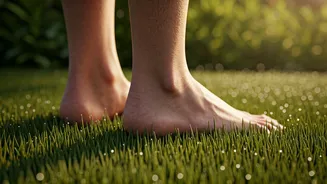
Getting started is as simple as it sounds, but a mindful approach can enhance the benefits. Find a safe, clean patch of grass—a park, your garden, or a community lawn works perfectly. Before you step out, take a moment to scan the area for any sharp objects, like thorns, stones, or bits of glass. Kick off your shoes and socks and just stand for a moment. Feel the texture of the grass under your feet—is it cool, damp, soft? Begin to walk slowly. Pay attention to how your foot meets the ground. Notice the sensations spreading up through your ankles and legs. You don't need to walk far or fast. The goal is to spend five to ten minutes in conscious contact with the earth. Try to make it a daily ritual, perhaps in the morning to start your day with a sense of calm, or in the evening to unwind.
Safety and Practical Considerations
While grounding is generally safe, common sense is key. Always be visually aware of where you are stepping. In India, it's particularly important to be mindful of insects or other critters in the grass. If you have diabetes, peripheral neuropathy, or open sores on your feet, your reduced sensation could put you at risk of injury without you realising it. In these cases, it's crucial to consult your doctor before trying barefoot walking. Start slowly; if your feet have been confined to supportive shoes for years, the muscles may be weak. A few minutes a day is plenty to begin with. Listen to your body—if you feel any pain, stop. The idea is to create a positive, healing experience, not to force an uncomfortable one.