







The Power of Dietary Nitrates
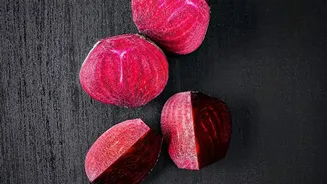
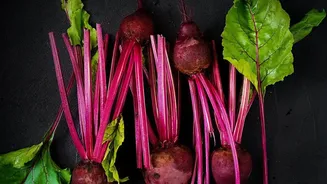
The secret to beetroot's power lies in its high concentration of dietary nitrates. When you consume beetroot, the nitrates are converted by bacteria in your mouth into nitrites. This nitrite then circulates in your bloodstream and can be converted into nitric
oxide (NO) where the body needs it most, particularly in areas of low oxygen, like hard-working muscles. Nitric oxide is a vital molecule that plays a crucial role in many physiological processes. Think of it as a master regulator for your body's internal plumbing and energy systems.
Boosting Blood Flow Through Vascularization
One of nitric oxide's most celebrated effects is vasodilation, the widening of blood vessels. This process enhances muscle vascularization, meaning more blood can flow to the muscle tissue. Better blood flow is a game-changer for any athlete. It means more efficient delivery of oxygen and nutrients to the muscles that are powering your movement. It also means waste products, such as lactate, can be cleared more effectively, which can help delay the onset of fatigue. This improved efficiency reduces the overall oxygen cost of exercise, allowing you to work harder for longer.
The Sprinting Connection
While initially studied for endurance benefits, recent research has highlighted the significant potential of nitrates for high-intensity, short-duration activities like sprinting. Sprinting places immense demands on fast-twitch muscle fibers, which operate in low-oxygen conditions. The nitrate-to-nitric oxide pathway is particularly effective in these exact conditions, potentially enhancing muscle contractility and power generation. Studies suggest that nitrate supplementation can improve performance in single and repeated sprint activities, which is directly relevant not just for track athletes but also for players in team sports like football, basketball, and hockey that involve constant bursts of speed.
What About 'Micro-Dosing'?
The term 'micro-dosing' in this context doesn't refer to the popularised trend but rather to a strategy of taking small, consistent amounts over time, also known as chronic supplementation. Research suggests that a daily intake of beetroot juice for 3 to 7 days can lead to improved fatigue resistance during repeated sprints. This approach allows nitrate levels to build up in the body, potentially leading to more sustained benefits than a single, acute dose. Doses used in studies often range from about 5 to 9 millimoles of nitrate per day, which can be found in concentrated beetroot juice 'shots'. However, acute dosing 2-3 hours before exercise is also shown to be effective.
Practical Use and Safety
For athletes looking to try this, concentrated beetroot juice or powders are the most efficient sources. Finding the right dose can be a process of personal experimentation, but studies often point to a range of 300-600mg of dietary nitrate for performance benefits. It’s generally well-tolerated, though some people may experience mild gastrointestinal upset. A harmless but sometimes surprising side effect is beeturia—a temporary pink or red colouration of urine and stools. While naturally occurring nitrates from vegetables are considered safe and beneficial, it's important to distinguish them from nitrate and nitrite additives used in processed meats, which have been linked to health concerns.