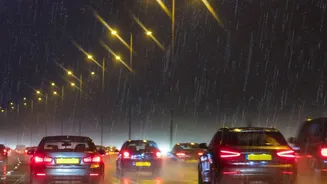







Monitor the Weather Proactively
Before anything else, become your own weather expert. Don't just rely on a quick glance at a generic app. The India Meteorological Department (IMD) is your most reliable source. It issues colour-coded alerts (red, orange, yellow) for districts, which
can give you a precise idea of the expected rainfall intensity in your departure city, destination, and even areas your train might pass through. Recent IMD bulletins, for example, have flagged extremely heavy rainfall for states like Odisha and Chhattisgarh while forecasting widespread rain across Northeast, Central, and North India well into September. Checking these advisories a few days before your trip can help you decide whether to proceed, postpone, or alter your plans. Many weather apps can also provide real-time satellite and radar imagery, showing you the movement of rain clouds.
For Air Travellers: Check and Double-Check
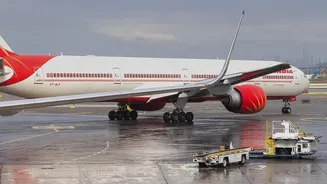
Airlines are generally good at sending SMS or email alerts about delays and cancellations, but it's always better to be proactive. Most airlines like IndiGo and Air India have a 'Flight Status' tab on their websites and mobile apps where you can get live updates using your PNR number. This is crucial, especially on a day with heavy rain warnings, as it can save you a needless trip to an airport where you might be stranded for hours. Since bad weather is considered a 'force majeure' event, airlines aren't required to pay monetary compensation for cancellations. However, under DGCA rules, they must offer you a choice between a full refund or an alternative flight. If you are already at the airport during a long delay, the airline is obligated to provide meals and, for overnight delays, hotel accommodation.
For Train Travellers: Stay on Track
Heavy rain poses a dual threat to train travel: waterlogging on tracks and potential landslides in hilly areas, both of which can lead to significant delays, diversions, or cancellations. Your go-to tool should be the National Train Enquiry System (NTES) website or app, which provides live train running status. Several other apps like RailRestro and ConfirmTkt also provide this service, often using GPS to give a train's exact location. Indian Railways rules state that if your train is delayed by more than three hours, you are entitled to a full refund if you decide not to travel. For e-tickets, if the train is cancelled by the railways, the refund is processed automatically to your bank account. For counter tickets, you must surrender the ticket at a reservation counter within three days of the scheduled departure to claim a refund.
Your Pre-Travel Checklist
A little preparation goes a long way. First, consider travel insurance that covers weather-related disruptions, though always read the fine print. Pack smart: a raincoat, umbrella, and waterproof bags for your electronics and documents are non-negotiable. Wear quick-drying clothes and waterproof footwear. A fully charged power bank is a lifesaver, as you could be stuck for hours without access to a charging point. Also, pack essential medications and a small first-aid kit in your cabin baggage. To avoid health issues common during the monsoon, stick to bottled water and avoid street food, as the risk of water contamination is higher.
Know Your Rights as a Passenger
Understanding your rights can reduce stress significantly. For air travel, if a flight is cancelled due to weather, the airline is exempt from paying compensation but not from its 'duty of care'. This means you are still entitled to refreshments for delays over two hours and a hotel stay for overnight disruptions. You must be offered a choice between a full refund or re-routing on another flight. For train travel, remember the three-hour delay rule for a full refund on your ticket if you choose not to board. If Indian Railways cancels the train, an e-ticket refund is automatic, but for a counter ticket, you have to file a claim. Keeping all documents, like tickets and booking confirmations, handy will make any claim process smoother.