




The Lithium-Ion Cost Barrier
For years, the dream of affordable electric mobility in India has been powered by lithium-ion batteries. While they pack a punch in terms of energy, they come with a significant cost. The materials, like lithium and cobalt, are relatively scarce, geographically
concentrated, and have complex supply chains that make them expensive. This directly inflates the showroom price of electric scooters, placing them out of reach for a large segment of the population that relies on two-wheelers for daily commutes. Despite government subsidies, the upfront cost remains a major psychological and financial barrier, slowing down the country's transition to cleaner transport.
Enter the Sodium-Ion Battery
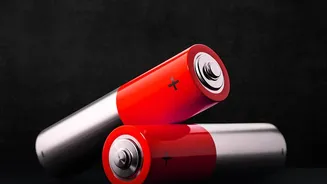
The 'salt battery' is more formally known as a sodium-ion battery. It works on a similar principle to its lithium-ion cousin, moving ions between a cathode and an anode to store and release energy. The crucial difference lies in the core material. Instead of lithium, it uses sodium, an element that is incredibly abundant and inexpensive—it's the same sodium found in common table salt and across the globe in seawater and salt flats. This incredible availability is the main driver behind its potential to drastically lower battery costs. By replacing rare and costly materials with something plentiful and cheap, the entire economic equation of an electric vehicle begins to shift.
Why Salt Is Cheaper
The cost advantage of sodium-ion technology isn't just about the raw material. The entire supply chain is simpler and more localized. India does not need to rely on a handful of countries for its lithium supply, which is often subject to geopolitical tensions and price volatility. Sodium is everywhere. Furthermore, some Indian innovators are finding novel ways to produce battery components locally. For instance, Indi Energy, a startup from IIT Roorkee, is developing anodes from agricultural waste like crop stubble—turning a pollution problem into a battery solution. Other companies like Macsen Energy are developing cathode materials from domestically sourced chemicals. This 'Made in India' approach promises not just lower costs but also greater energy security.
Performance, Safety, and Trade-Offs
So, what's the catch? The primary trade-off with current sodium-ion technology is lower energy density. This means a sodium-ion battery of the same size and weight will typically offer less range—perhaps 20-30% less—than a comparable lithium-ion pack. However, for entry-level electric scooters designed for city commutes, this may be a perfectly acceptable compromise, especially given the cost savings. On the upside, sodium-ion batteries offer significant safety advantages. They are less prone to thermal runaway (catching fire) and can operate in a much wider range of temperatures, from extreme cold to intense heat, which is a major plus for Indian conditions. They can also be fully discharged to zero volts for safer transportation and storage, a feat that would damage a lithium-ion battery.
The Indian Push and a Realistic Timeline
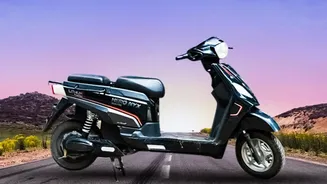
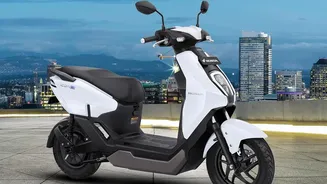
Several Indian companies are racing to bring this technology to market. Beyond startups, established players like Reliance New Energy and KPIT Technologies are investing in sodium-ion development. Hyderabad-based Naxion Energy has already launched a commercial range of sodium-ion batteries for various applications. For electric scooters specifically, Nashik-based manufacturer Jitendra New EV Tech has announced plans to launch a model powered by these batteries by early 2026. While the technology is no longer just a laboratory experiment, mass-market adoption will take time. As of today, large-scale production is still gearing up, meaning initial costs may be on par with some lithium-ion chemistries. However, as manufacturing scales up over the next two to three years, significant price drops are widely expected.