






A Budget Squeezed from Both Ends
For millions of Indian families, the festive calendar is marked by non-negotiable expenses: new clothes, gifts for loved ones, travel to hometowns, and special items for pujas and celebrations. These costs form a predictable, yet significant, financial
outlay each year. However, in 2026, this annual stretch on the household wallet is being met with another powerful force: stubborn food inflation. Data from September shows that food prices continue to be a primary driver of overall inflation, which climbed to 4.82% in August. The Consumer Food Price Index (CFPI) rose by 5.95%, hitting rural households particularly hard with a 6.13% increase. This creates a double bind for consumers. Just as they are allocating funds for festive discretionary spending, the cost of their daily meals is also rising, eating into the very budgets meant for celebration.
The Rising Cost of a Festive Meal
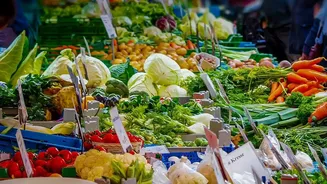
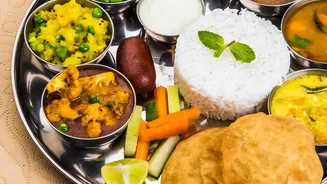
The impact of inflation is most acutely felt in the kitchen. The prices of several staples that form the heart of festive cuisine have seen sharp increases. According to recent reports, the cost of onions, a fundamental ingredient in countless dishes, has surged, with inflation for the vegetable jumping to over 48% in August. Sugar, essential for the plethora of sweets that define festivals like Diwali, has also become more expensive. This directly affects the cost of making traditional sweets at home or buying them from shops. The price pressure extends to other essentials like lentils and cooking oils, making every aspect of the festive feast more expensive. While some vegetable prices have seen declines, the overall trend for key festive ingredients is upwards, forcing families to either spend more or scale back on the richness and variety of their traditional menus.
A Ripple Effect on Traditions
When the food budget expands, it inevitably contracts other areas of spending. This financial pressure creates a ripple effect that touches upon cherished traditions. Families may be forced to make difficult choices: a smaller gathering to feed fewer people, a shorter shopping list for gifts, or foregoing new outfits. For many, travel to visit family is a cornerstone of the festive season, but with transport costs also on the rise, this becomes another area of potential compromise. This isn't just a matter of economics; it carries an emotional weight. These cutbacks can diminish the sense of abundance and generosity that is so integral to the festive spirit. Retailers themselves have expressed caution, noting that while consumers intend to spend, high prices on essentials could ultimately dampen discretionary purchases like apparel and electronics.
How Households Are Adapting
Despite the financial strain, the festive sentiment remains strong. Surveys indicate that a vast majority of consumers are excited for the upcoming season and still plan to spend, with many expecting their budgets to increase. This suggests that families are not cancelling celebrations but are instead adapting their strategies. Many are becoming more deliberate shoppers, starting their purchasing earlier to hunt for deals and spreading costs over a longer period. There's a greater reliance on comparing prices online and seeking out discounts. Others are making conscious trade-offs, perhaps prioritising a special meal over new home decor or focusing on smaller, more meaningful gifts. This period of high costs is forcing a nationwide exercise in budgeting and prioritisation, as households work to preserve the joy of the season within new financial realities.