







Embrace the ‘Off’ Season
One of the most effective ways to cut costs is to travel when others are not. The period from April to September is generally considered the off-season in many parts of India. During these months, airlines, hotels, and tour operators offer significant
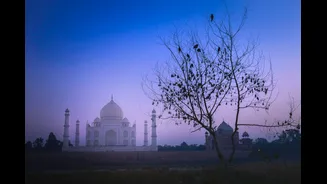
discounts to attract visitors. While you might encounter hotter weather or monsoon rains depending on the region, the trade-offs are substantial: fewer crowds at major attractions, lower prices for stays, and a more relaxed atmosphere. This allows you to explore popular spots like the Taj Mahal or Jaipur's forts at a leisurely pace without the peak-season rush. In North India, the monsoon brings pleasant weather and lush green landscapes, making it a beautiful time to visit.
Rethink Your Accommodation
Slow travel is about connection, and your choice of accommodation plays a huge role. Instead of anonymous hotels, consider options that offer both value and local flavour. Homestays and guesthouses are excellent choices, providing a comfortable stay and a glimpse into Indian culture at a fraction of the cost of a hotel. For longer trips of a week or more, renting a holiday apartment or villa can be surprisingly economical, especially for groups, as it provides more space and a home-like environment. Platforms that connect you directly with hosts or charge zero commission can offer better rates because hosts don't need to inflate prices to cover platform fees. When booking, don't hesitate to contact the host directly to inquire about discounts for longer stays; many are willing to negotiate.
Find Activities That Don't Cost a Rupee
A slower pace opens your eyes to the countless free activities that surround you. Instead of expensive guided tours, create your own. Spend afternoons wandering through local markets, observing daily life, and soaking in the atmosphere. Many of India’s most profound experiences are free: visiting temples, mosques, and gurudwaras (where you might even be offered a free meal, known as 'langar'), strolling through public gardens like Lodhi Garden in Delhi, or simply people-watching from a chai stall. A walk along a beach in Goa or a self-guided exploration of a city's old quarters can be more memorable than a ticketed event. This approach not only saves money but also fosters a deeper connection with the place you're visiting.
Live and Eat Like a Local
Overspending on food and transport can quickly drain your budget. Slow travel encourages you to adopt local habits, which are almost always more affordable. Utilise India's extensive public transport system—trains are a cost-effective and scenic way to travel long distances, while city metros and local buses are perfect for getting around urban areas. Opting for an overnight train journey not only covers large distances efficiently but also saves you the cost of one night's accommodation. When it comes to food, skip the tourist-centric restaurants and head to where the locals eat. Street food stalls and local 'dhabas' offer delicious, authentic meals for a fraction of the price. Not only is this a treat for your taste buds, but it's also a core part of the Indian travel experience.
Choose a Base and Explore Deeply
The essence of slow travel is depth over breadth. Instead of hopping between cities every two days, choose one or two locations as a base and explore them thoroughly. Renting a place for a week or more often comes with significant discounts. This strategy reduces time and money spent on transit and allows for a more relaxed itinerary. You can take unhurried day trips to nearby villages, explore local hiking trails, or even take a class to learn a new skill like cooking or yoga. By staying put, you move beyond being a tourist and start to feel the rhythm of a place, discovering hidden gems you would have otherwise missed in a rush.