



Navigating Treacherous Waterlogged Roads
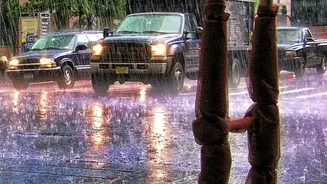
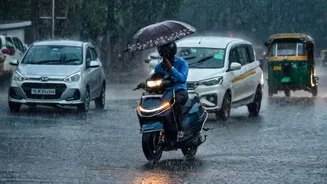
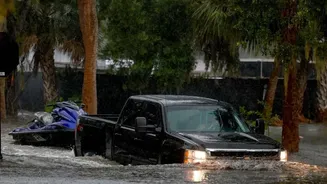
One of the most immediate dangers during a downpour is waterlogging. Urban drainage systems, often overwhelmed, turn roads into rivers within minutes. Driving through these flooded streets is a significant risk. What appears to be a shallow puddle can conceal
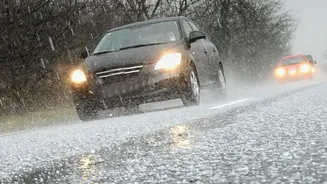
deep potholes, open manholes, or debris that can severely damage your vehicle or cause an accident. The golden rule is to never drive through a flooded road if you cannot gauge its depth. Experts suggest that if the water level is above your car's door sills, it's unsafe to proceed, as even 30 cm of moving water can be enough to displace a small car. If you encounter a waterlogged patch, it is always safer to wait for the water to recede or find an alternate route. Driving slowly and maintaining a significant distance from the car ahead is crucial on wet roads, as braking distances increase dramatically. Applying brakes gently after passing through water can also help dry the brake components, ensuring they function effectively when you need them.
The Hidden Danger of Falling Trees and Branches
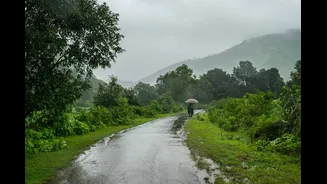
Heavy rain, often accompanied by strong winds, saturates the soil and puts immense stress on trees. This combination makes falling branches and even entire trees a serious and unpredictable threat. It's advisable to avoid parking your vehicle under large trees during the monsoon season. When walking or driving, be extra vigilant, especially on roads lined with old or large trees. Signs that a tree may be unstable include cracks in the trunk, a noticeable lean with upraised soil near the base, or large, dead branches. While it's impossible to predict every failure, proactive pruning of dead or diseased limbs can reduce the risk. If you are caught in a storm with high winds, it is best to pull over in a clear area away from trees and power lines until the worst of the weather passes.
How to Beat Monsoon Traffic Delays
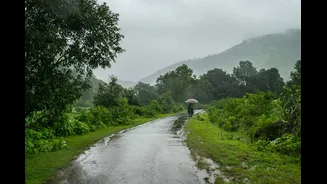
Traffic congestion intensifies during heavy rainfall as vehicle speeds drop and visibility decreases. Waterlogging forces route changes and causes bottlenecks, leading to gridlock that can last for hours. To avoid getting stuck, planning is key. Before heading out, check weather forecasts and real-time traffic updates using navigation apps or local traffic police advisories. If possible, postpone non-essential travel during periods of heavy downpour warnings. Always ensure your vehicle has ample fuel before you start your journey; getting stuck in a traffic jam with a low tank is a situation best avoided. Keeping an emergency kit in your car is also a wise precaution. This could include a flashlight, first-aid supplies, a phone charger or power bank, water, and some snacks to make an unexpectedly long wait more bearable.
Essential Vehicle Preparedness Checks
A well-maintained vehicle is your first line of defence against monsoon hazards. Before the rains get intense, a few simple checks can make a world of difference. Ensure your tyres have adequate tread depth, as worn tyres struggle to grip wet roads and significantly increase the risk of hydroplaning. Safety experts recommend a minimum tread depth of 3mm for optimal performance in the rain. Your vehicle's wipers are just as critical. Replace them if they leave streaks or fail to clear the windshield effectively. Finally, check all your lights—headlights, taillights, and indicators. In low-visibility conditions, seeing and being seen is paramount. Using low-beam headlights during the day can make your vehicle much more visible to other drivers.