







A Project Nearing the Finish Line
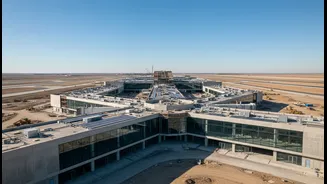
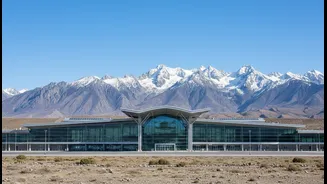
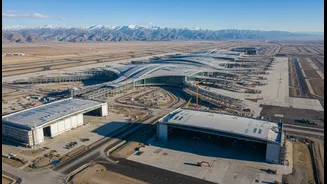
According to the Ministry of Civil Aviation, the new integrated terminal building at Leh Airport has reached 83% physical completion as of early July 2026. This major infrastructure project is a key part of the central government's vision to modernize
aviation infrastructure across the country, particularly in regions with strategic and tourism significance. The state-of-the-art terminal, being built at an estimated cost of ₹640 crore, is designed to handle the growing influx of tourists and improve connectivity for residents and military personnel. While construction at an altitude of over 10,600 feet presents unique challenges, officials are pushing to complete the project, with a revised target aiming for inauguration as early as August 2026.
Tripling Capacity for a Growing Demand
The new terminal is set to be a game-changer for the airport's operational capacity. Once fully functional, it will be able to handle up to 54 flights a day, a threefold increase from the current capacity of around 18 flights. This expansion will dramatically reduce congestion and open up more slots for airlines, potentially leading to more competitive fares. The terminal is designed to accommodate 3.5 million passengers annually, a significant jump from the current traffic. During peak hours, it will be able to manage up to 2,000 passengers, with 1,000 each in arrivals and departures, supported by around 20 check-in counters, 15 lifts, and 12 escalators to ensure a smooth flow of travelers.
A Gateway with Local and Green Soul
More than just a functional building, the new terminal aims to be a reflection of Ladakhi culture and a model of sustainability. The design incorporates local architectural elements, including motifs inspired by Buddhist philosophy, prayer wheels, and stupas, offering visitors an authentic glimpse of the region's rich heritage right upon arrival. In a pioneering move for Indian airports, the building will feature a large-scale geothermal heating and cooling system to cope with Ladakh's extreme temperatures, which can drop below -30 degrees Celsius in winter. This, combined with a 700 kWp rooftop solar power system, underscores a commitment to creating a carbon-neutral and eco-friendly facility in a fragile environment.
Boosting Tourism and the Local Economy
Enhanced air connectivity is crucial for Ladakh's economy, which is heavily reliant on tourism. The current airport often faces bottlenecks during the peak tourist season. By tripling flight capacity, the new terminal will make the region more accessible, supporting local businesses from hotels and tour operators to artisans and taxi drivers. The timing is critical, as the increased capacity will help accommodate the large number of visitors expected for major upcoming cultural and religious events. This infrastructure boost is expected to not only revive tourism but also generate significant economic opportunities for local communities and position Ladakh as a premier, accessible tourist destination.
Strategic Importance and Future Connectivity
Beyond tourism, the Leh airport expansion holds immense strategic importance for India. Located in a sensitive border region, reliable, all-weather air connectivity is vital for military logistics and troop movement. The new terminal is part of a broader push to upgrade infrastructure throughout Ladakh, including the development of strategic roads, tunnels like the Zojila, and bypasses to improve year-round access and regional connectivity. The second phase of the airport project will involve demolishing the old terminal to build an expanded apron with four new aircraft bays and three aerobridges, further enhancing operational efficiency and solidifying Leh’s role as a critical air hub in the Himalayas.