







An On-Time But Underwhelming Monsoon
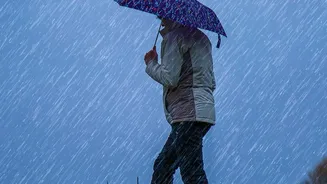
The India Meteorological Department (IMD) has announced that the southwest monsoon is set to begin its withdrawal from western Rajasthan around September 19, which is close to its normal schedule. However, the season itself has been underwhelming. Affected
by a strengthening El Niño phenomenon, the country has seen a cumulative rainfall deficit of around 15% as of mid-September. This deficit has been particularly sharp in the southern peninsula and parts of the east and northeast. While the withdrawal process is starting, it is a gradual retreat, and several states are still expected to experience spells of heavy rain and thunderstorms in the immediate future. This complex exit sets a curious stage for the coming winter.
From El Niño Summer to a Possible La Niña Winter
Weather patterns are often a story of push and pull between global phenomena. The summer monsoon was largely influenced by El Niño, which warms the Pacific and typically suppresses rainfall in India. Now, meteorologists are watching for the potential emergence of its counterpart, La Niña. La Niña is characterized by cooler-than-average ocean temperatures and historically has a strong influence on India's winters. It tends to bring colder, more severe winter conditions to northern India, enhancing the effect of western disturbances that carry moisture from the west. This often translates to heavier and more frequent snowfall in the Himalayan region, promising a colder and potentially longer winter season.
For Snow-Seekers: A Blessing with a Catch
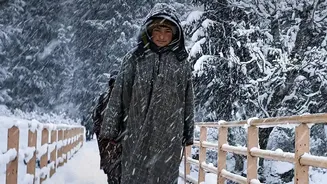
For those dreaming of a white winter in destinations like Shimla, Manali, Auli, or Gulmarg, a La Niña-influenced winter could be a dream come true. Heavier snowfall creates a picturesque landscape and prime conditions for skiing and other winter sports, especially in dedicated resorts like Auli in Uttarakhand. However, this winter blessing comes with a significant catch. Intense snowfall can lead to road closures, disrupting travel plans and isolating valleys for days. Flights can be delayed or cancelled due to fog and heavy snow, a common issue in the northern plains during winter. So, while the promise of abundant snow is high, so is the need for flexible itineraries and a close watch on weather alerts.
Sun and Sand: Cautious Optimism for the Coasts
The winter months are peak season for India’s sun-drenched west and south coasts, with tourists flocking to Goa and Kerala for warm, dry weather. The timely start to the monsoon's withdrawal is good news for these regions. However, a potential La Niña can sometimes contribute to increased post-monsoon showers in southern India, potentially extending the rainy season into October or even early November. This could mean a slightly delayed start to the picture-perfect beach weather. Further north, the desert state of Rajasthan is at its absolute best in winter, when the scorching summer heat gives way to mild, pleasant days perfect for exploring its majestic forts and palaces. For these destinations, the current forecast points towards a classic, enjoyable winter season.
How to Plan Your 2026 Winter Holiday
Given the dynamic weather situation, smart planning is key to a successful winter trip this year. If you're heading to the mountains, book flights and hotels with flexible cancellation or rescheduling policies. Always check the road status before you travel, especially for high-altitude destinations. For coastal trips to places like Goa or Kerala, especially in October and November, keep an eye on the weather forecast for any extended post-monsoon rain. Packing layers is non-negotiable for a trip to the north, where temperatures can drop sharply at night. Finally, consider purchasing travel insurance that covers weather-related disruptions to give yourself peace of mind.