





The Real Cost of a Messy Fridge
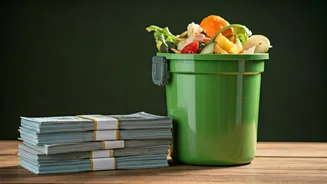
Before we get to the 'how', let's talk about the 'why'. That half-used cucumber turning soft, the container of dal forgotten at the back, the paneer that’s past its date—it all adds up. In India, a significant amount of food is wasted at the household
level. Every rupee of food thrown away is a rupee lost. A well-organised fridge isn't about aesthetics; it's a financial and environmental strategy. By simply seeing what you have, you buy smarter, use everything you own, and put money back into your pocket. Think of it as a small, daily investment that pays big dividends in savings and satisfaction.
Step 1: The Great Reset
You can’t organise clutter. The first step is to take everything out. Everything. This might seem daunting, but it's essential. As you empty the shelves, sort items into three piles: keep, discard, and questionable. Be ruthless with expired sauces, mouldy produce, and anything unidentifiable. For questionable items, the rule is simple: when in doubt, throw it out. While everything is out, give your fridge a deep clean with a simple solution of vinegar and water or a mild soap. A clean, empty fridge is a blank canvas, giving you the mental space to create a new, better system.
Step 2: Understand Your Zones
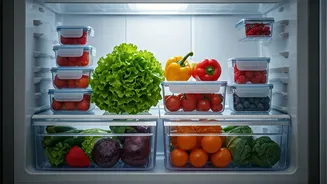
Not all parts of your fridge are created equal. Temperature varies by zone, and storing food correctly makes it last longer. **The Door:** This is the warmest part of the fridge. Don't store milk or eggs here, despite how convenient it seems. The temperature fluctuations can make them spoil faster. The door is perfect for condiments, pickles, sauces, and juices—items with natural preservatives. **Upper Shelves:** These have the most consistent temperature. This is the best spot for leftovers, drinks, ready-to-eat foods like yoghurt, paneer, and butter. You want these items at eye level so you remember to eat them. **Lower Shelves:** This is the coldest part of your fridge. It’s the ideal place for raw meat, poultry, and fish. Storing them here, in a sealed container or on a tray, prevents drips from contaminating foods below. **The Crisper Drawers:** These drawers are designed to maintain a specific humidity. Use one for vegetables (which prefer high humidity) and the other for fruits (which prefer low humidity). Don't store them together, as many fruits release ethylene gas that can cause vegetables to ripen and rot faster.
Step 3: Master Your Leftovers
In many Indian households, leftovers are a way of life. But forgotten containers of sabzi and dal are a prime source of waste. The solution is a system. First, use clear, uniform containers so you can see what’s inside. Second, label everything. A small piece of masking tape with the item name and date is all you need. Finally, create an 'Eat Me First' box. This is a designated, visible spot for items that need to be consumed within a day or two. It takes the guesswork out of meal planning and ensures nothing gets pushed to the back to be forgotten.
Step 4: Keep It Going
A plan is only good if you stick to it. Make fridge organisation a part of your routine. Before you go grocery shopping, take a quick photo of your fridge's contents. This 'shelfie' prevents you from buying what you already have. Dedicate five minutes each week, perhaps before garbage day, to quickly scan for items that need to be used up or thrown away. Wipe up spills as they happen. This small, consistent effort is far easier than doing a massive overhaul every few months.