




First, Understand Your Sunlight
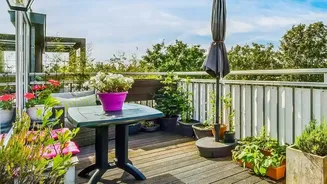
Before buying a single plant, become an observer of your own balcony. The biggest mistake new gardeners make is underestimating or misjudging sunlight. A space that feels bright to you might not provide enough direct sun for a flowering or fruiting plant.
Spend a day tracking the light. Note when direct sun first hits your balcony floor or railings and when it leaves. Use this simple scale: 0–2 hours of direct sun is low light, 2–4 is moderate, and 4–6 hours is considered good sunlight for many plants. Balconies facing south or southwest typically get the most sun, while north-facing ones get the least. This simple observation is more important than any other step, as it will determine which plants have a true chance to thrive.
Match Plants to Your Light Conditions
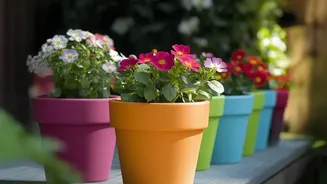
Once you know your light pattern, you can choose plants that fit your space, not the other way around. For sunny balconies with 4-6+ hours of sun, hardy bloomers like Bougainvillea, Hibiscus, Marigolds, and Petunias are excellent choices. Herbs like Tulsi (Holy Basil), mint, and lemongrass also do well in sunny spots. If your balcony is on the shadier side, receiving mostly indirect light, don't despair. Opt for foliage-focused plants. Money Plants (Pothos), Snake Plants, ZZ Plants, and Aloe Vera can all thrive with less direct sun. Starting with plants suited to your environment is the easiest way to ensure success and build your confidence.
The Golden Rules of Watering
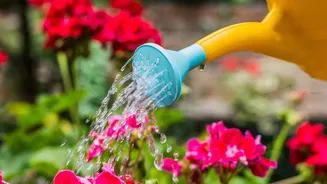
Overwatering is the most common reason container plants fail. Unlike plants in the ground, balcony pots have limited soil and can become waterlogged easily, leading to root rot. The solution is to ditch a rigid watering schedule and instead check the soil. Stick your finger about an inch into the soil. If it feels dry, it's time to water. If it's still damp, wait another day. When you do water, do it thoroughly. Pour water slowly until you see it run out of the drainage holes at the bottom of the pot. This ensures the entire root system gets a drink. Pots dry out faster on hot, windy days, so you may need to check them more frequently in peak summer.
Establishing a Simple Care Routine
A successful balcony garden runs on simple, consistent habits, not hours of hard work. Make it a habit to check your plants in the morning. Early morning is the best time to water, as it allows the plants to absorb moisture before the midday heat and reduces evaporation. Watering at night can leave foliage wet for too long, which may encourage disease. While you're checking the soil, take a moment to look at the leaves. Are they yellowing? Do you see any spots or pests? Catching problems early is key. A quick, daily five-minute check-in is far more effective than a panicked rescue mission once a month. This routine becomes a peaceful way to start your day, connecting you with your little green oasis.
Beyond the Basics: Pots and Soil
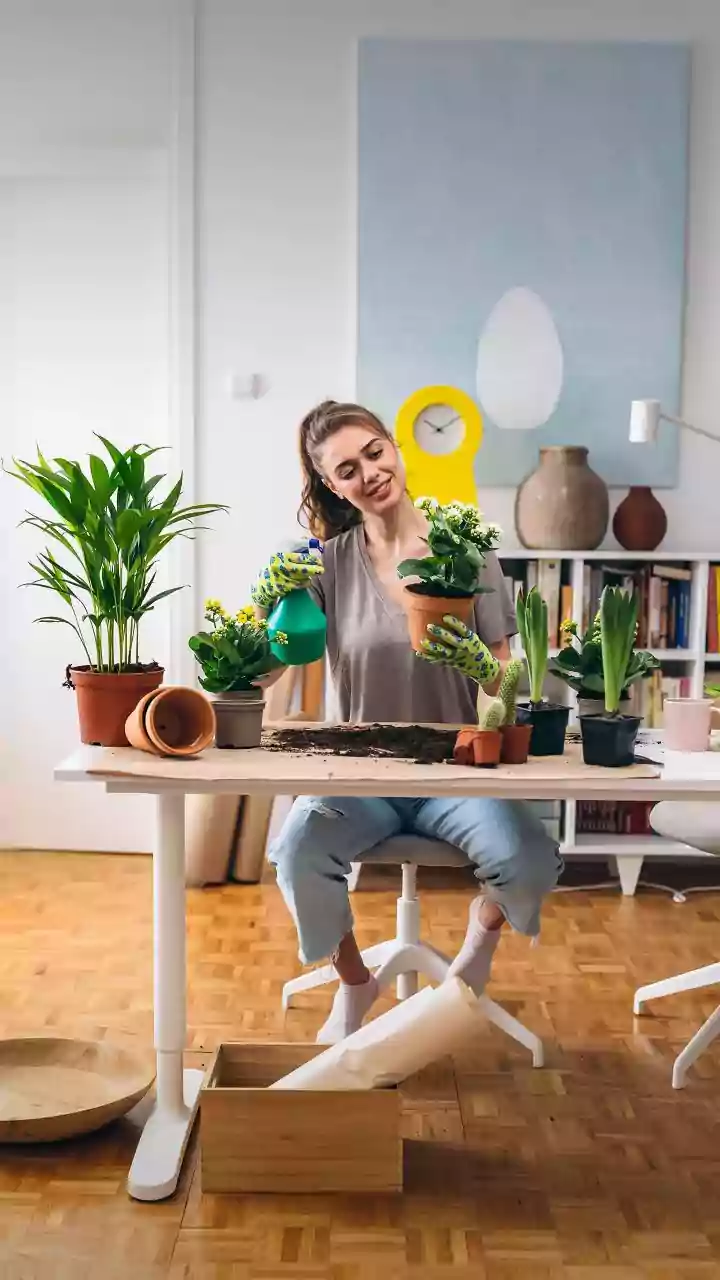
While light and water are the two main pillars of plant care, the foundation is what you plant in. Always use pots with drainage holes. Without an escape route for excess water, even the most careful watering can drown a plant's roots. When it comes to soil, avoid using heavy garden soil on its own, as it compacts in containers and suffocates roots. Instead, use a quality potting mix. These mixes are specifically designed to be light and airy, holding moisture while still allowing for good drainage. A common DIY mix for containers includes garden soil, compost for nutrients, and something like cocopeat or sand to improve aeration. This gives your plants' roots the healthy environment they need to support growth.