



Adventure with a Conscience
A new wave of tourism is taking shape on the serene rivers of Meghalaya, one that combines the thrill of adventure with a deep respect for nature. Eco-conscious kayaking tours are empowering travellers to become active custodians of the environment. The
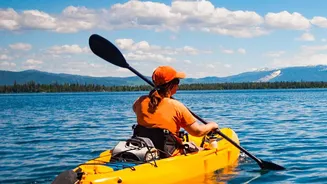
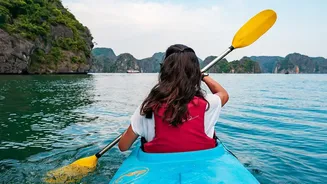
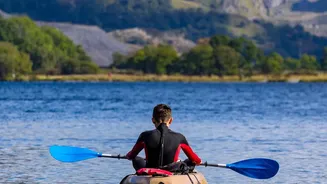
concept is simple yet powerful: while exploring the state's stunning waterways, tourists and guides collect floating debris, leaving the river cleaner than they found it. This practice, sometimes called 'plogging' on water, transforms a recreational activity into a meaningful act of conservation. It’s a hands-on approach that resonates with a growing number of visitors who seek more than just picturesque views; they want to make a positive impact on the places they explore. Local operators provide kayaks, safety gear, and bags for litter, turning a day on the river into a collective clean-up drive.
The Pristine Waters of Umngot
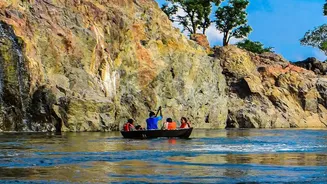
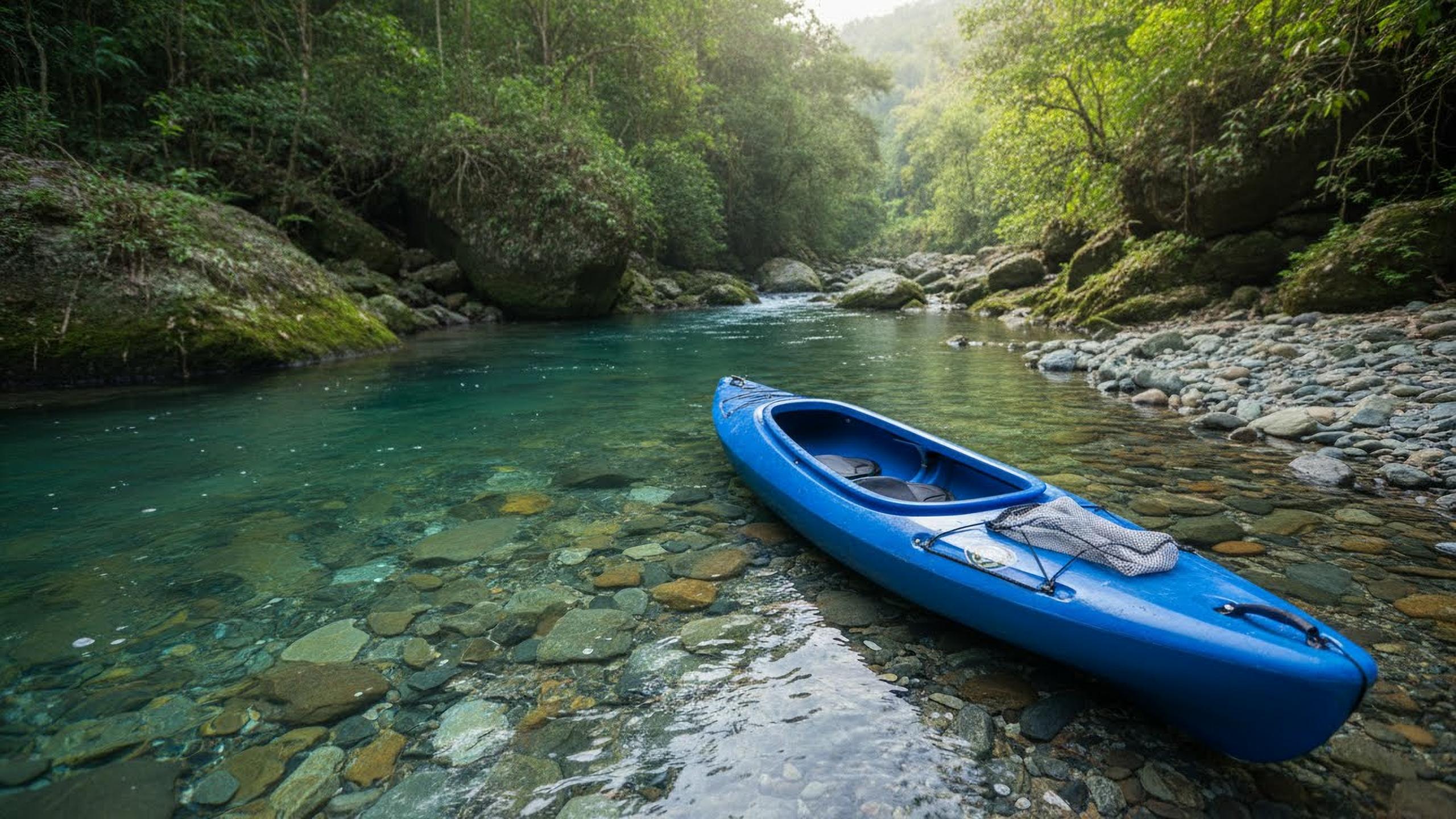
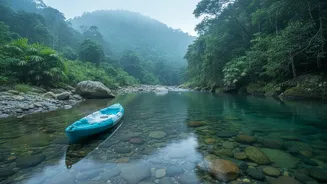
The movement is most visible on the famed Umngot River near Dawki and Shnongpdeng, a village celebrated for its riverside camping and adventure sports. The Umngot is renowned for its astonishingly clear water, which in the dry season creates the illusion of boats floating in mid-air. Its beauty has made it a poster child for Meghalaya tourism, attracting visitors from around the globe. This popularity, however, also brings challenges, including the risk of pollution. The river-cleaning kayaking initiatives are a direct response to this, driven by local communities who depend on the river's health for their livelihood. By actively involving tourists in preservation, these tours help protect the very attraction that draws people in, ensuring its 'crystal-clear' reputation endures for future generations.
A Statewide Push for Sustainability
These kayaking tours are not an isolated trend but part of a larger, deliberate strategy by the Meghalaya government to position the state as a premier eco-adventure destination. The Meghalaya Tourism Policy and initiatives like the CM-ELEVATE program are designed to harness the state's natural assets sustainably. The government is actively promoting community-led tourism, where local villagers are key stakeholders in managing and preserving natural sites. This approach ensures that economic benefits from tourism flow directly back into the community, creating a powerful incentive for conservation. By providing subsidies for adventure sports equipment and supporting local entrepreneurs, the state is building an ecosystem where tourism and environmental protection go hand-in-hand.
The Ripple Effect of Responsible Travel
The success of river-cleaning tours demonstrates a significant shift in tourist mindset. Travellers are increasingly choosing destinations and activities that align with their values. This model creates a win-win situation: tourists enjoy a unique and fulfilling experience, local operators gain a unique selling proposition, and the environment benefits directly. The initiative fosters a deeper connection between visitors and the destination, as participants leave with a sense of ownership and pride. This collaborative spirit has been crucial, especially in light of recent environmental pressures, such as silt and debris from nearby construction projects affecting the Umngot's clarity, which highlighted the urgent need for proactive conservation efforts.
How to Participate in the Movement
For travellers heading to Meghalaya, getting involved is straightforward. Several local tour operators and community groups in areas like Shnongpdeng offer these specialised kayaking trips. These are often integrated with other adventure activities like camping, ziplining, and visiting the nearby living root bridges. No special skills are required, as guides provide basic instructions and safety equipment, making it accessible to beginners. By choosing a tour that explicitly includes a clean-up component, visitors can directly contribute to the preservation of Meghalaya’s breathtaking natural heritage. It's an opportunity to travel with purpose and become part of a story of positive change, ensuring the 'Abode of Clouds' remains a sanctuary of natural beauty.