





Why Extra Caution is Needed
The monsoon season, while beautiful, is a peak time for water-borne and food-borne illnesses in India. High humidity causes food to spoil faster, and the risk of contamination from unclean water or soil is significantly higher. Diseases like gastroenteritis,
typhoid, cholera, and Hepatitis A see a spike during this period, often linked to contaminated food and water. Fruits, especially those with high water content or those sold pre-cut, can easily become carriers for harmful microbes if not handled properly. Your digestive system can also be more sensitive during this season, making it wise to choose your foods carefully to avoid infections and indigestion.
Immunity-Boosting Fruits to Enjoy
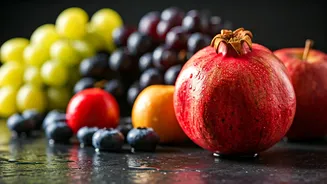
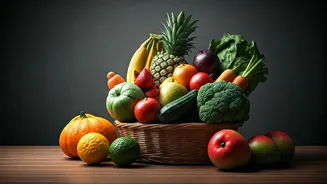
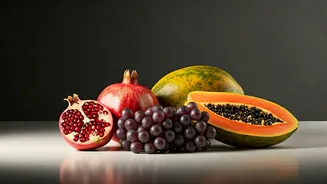
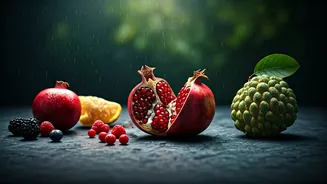
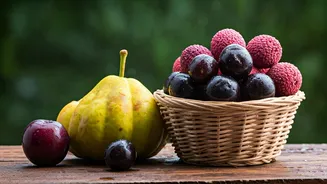
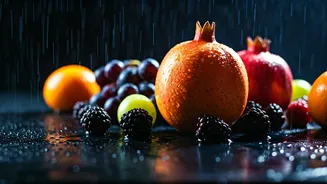
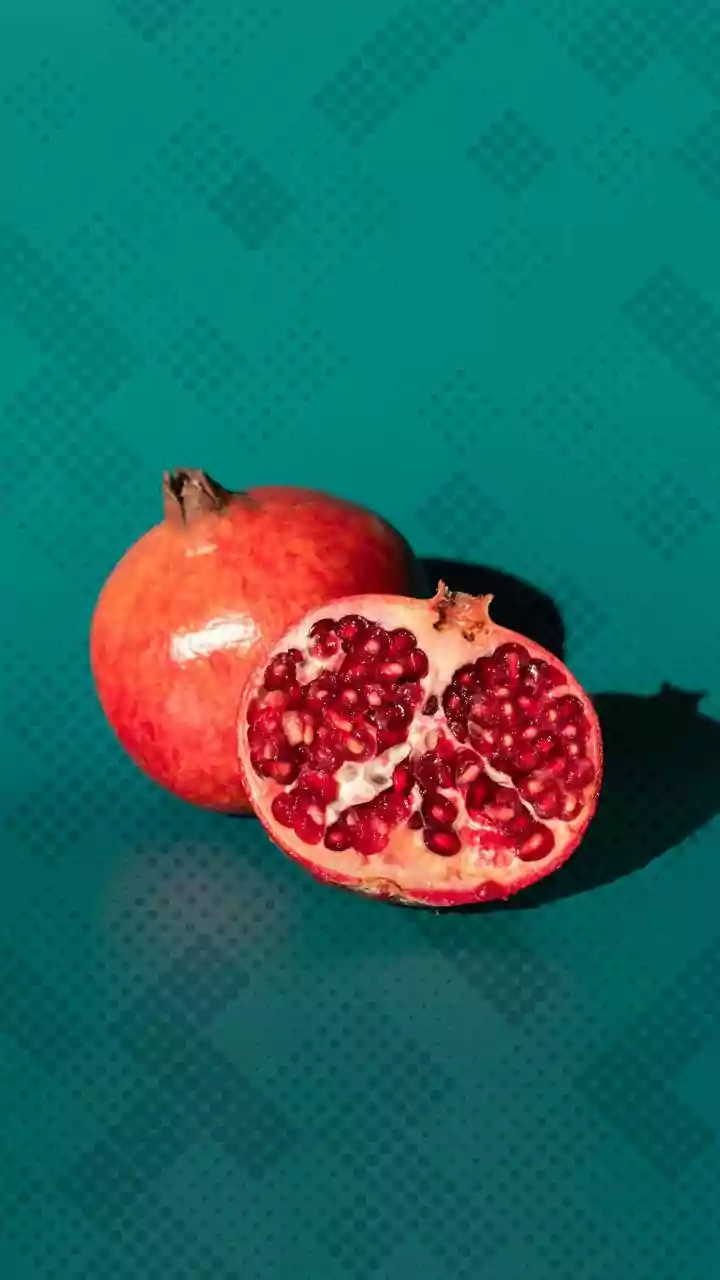
Choosing seasonal fruits is the best way to ensure freshness and high nutritional value. The monsoon offers a wonderful variety of fruits that are perfect for boosting your immunity. Pomegranates, with their thick, protective skin, are rich in antioxidants that help fight off infections. Apples and pears are excellent choices, packed with dietary fibre and Vitamin C. Plums (Aloo Bukhara), cherries, and peaches are also at their best during this season, offering a wealth of vitamins and antioxidants. Another monsoon superstar is the Jamun (Indian Blackberry), which is great for digestion and rich in iron and Vitamin C. Litchis, available at the beginning of the season, are also a great source of Vitamin C.
Fruits to be Careful With
It's not that some fruits are inherently bad during monsoon, but rather that certain types carry a higher risk of contamination. Fruits with high water content, like watermelons and muskmelons, can be risky if they have been injected with water or have been cut and left exposed. It's best to avoid pre-cut fruits sold by street vendors entirely, as they are highly susceptible to contamination from flies and bacteria in the humid air. Late-season mangoes may also pose a risk as the peak season ends, and their skin can develop mould quickly in the damp weather. Grapes can harbour pesticide residues and mould, so they require extremely thorough washing. The key is to buy whole fruits and cut them yourself right before eating.
The Golden Rules for Washing Fruits
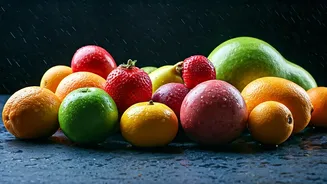
Proper washing is your first and most important line of defence. Simply rinsing under running water isn't always enough during the monsoon. Start by washing your own hands thoroughly with soap. For all fruits, even those you plan to peel, wash them under clean, running water. This prevents surface bacteria from being transferred by the knife to the flesh of the fruit. For a more thorough clean, you can soak fruits in a bowl of water with a bit of salt or vinegar for about ten minutes. A solution of baking soda and water is also highly effective at removing residues. Use a vegetable brush for hard-skinned fruits like apples and pears. After washing, dry the fruits with a clean cloth or paper towel to reduce any remaining bacteria.
Smart Buying and Storage Habits
Your safety measures should begin at the market. Choose fresh, unbruised fruits. Avoid buying in large quantities, as the high humidity can make them spoil faster. Store fruits properly once you are home. After washing and thoroughly drying them, you can store some fruits in paper bags in the refrigerator. Never store cut fruits, especially not overnight in the fridge, as bacteria can still grow in cold temperatures during the monsoon. Always aim to eat freshly cooked food and freshly cut fruits. It is also wise to avoid raw salads from outside and stick to steamed vegetables or freshly prepared meals at home where you can control the hygiene.