





A Paradise Under Pressure
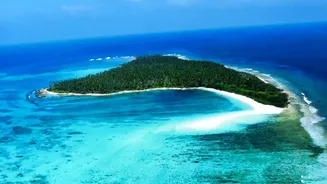
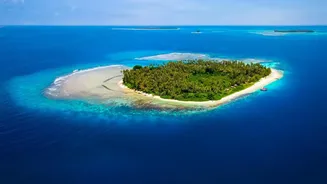
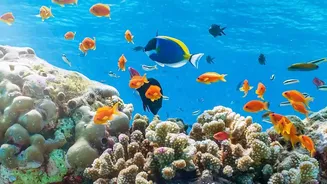
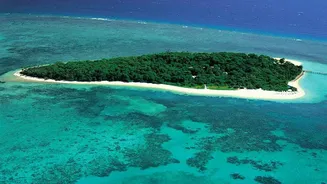
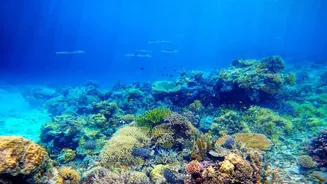
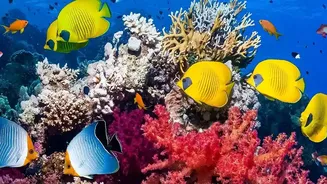
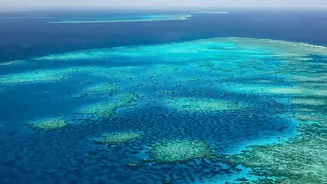
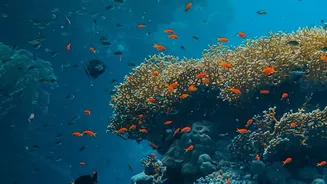
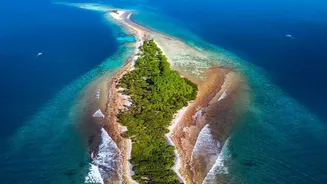
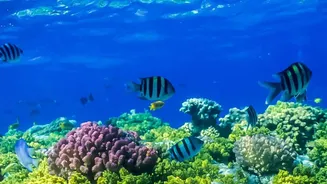
Lakshadweep’s global significance lies in its coral atolls, ring-shaped reefs that create islands and calm lagoons teeming with life. These ecosystems, home to over 100 species of coral and 600 species of fish, are among India's richest marine environments.
However, this paradise faces severe threats. Rising sea temperatures linked to climate change have caused mass coral bleaching events, with some reports indicating record-setting heat stress in the region. Beyond climate change, human activity poses a significant risk. Unregulated tourism can lead to pollution from waste and plastics, while physical damage occurs when visitors unknowingly walk on the living coral structures. Infrastructure development, overfishing, and marine debris further strain the delicate balance of this unique environment.
A Blueprint for Managed Tourism
To counter these pressures, the Lakshadweep administration enforces a system of managed tourism built on strict regulations. The cornerstone of this strategy is the mandatory entry permit for all non-islanders, a measure designed to control the volume of visitors and protect the islands' sensitive ecology and culture. This is not a free-for-all tourist destination. Travel is highly structured, and visitors must adhere to a pre-approved itinerary. The permit application requires specifying the exact islands to be visited, and unscheduled island hopping is not allowed. This ensures that tourist activity is confined to designated areas that are equipped to handle visitors, leaving other islands untouched to serve as natural reserves. These rules are crucial for minimizing the human footprint on the archipelago.
Streamlining Access, Not Diluting Protection
In the spring of 2026, the administration made significant changes to the permit application process. Previously, prospective tourists needed to secure a local sponsor from the islands and obtain a police clearance certificate from their hometown, hurdles that many found cumbersome. The new rules, effective from late April 2026, have removed these two requirements for Indian tourists. Instead, security verification is now handled directly by the Lakshadweep Police after the application is submitted online. Officials have clarified that these changes are intended to simplify the administrative process and facilitate ease of travel for those willing to abide by the protective framework. The core requirements—a mandatory permit, a 14-day advance application, and a fixed itinerary—remain firmly in place, ensuring that while the paperwork is simpler, the protective oversight is not compromised.
The Traveler's Role in Conservation
The guidelines place a shared responsibility on visitors to become active participants in conservation. Transit between islands is strictly limited, with Kavaratti and Agatti serving as the main transit points for a maximum of 12 hours, preventing unchecked movement across the territory. Foreign nationals face further restrictions, with access generally limited to specific islands like Agatti, Bangaram, and Kadmat. While on the islands, travelers are encouraged to follow eco-conscious practices. This includes using reef-safe products and respecting the local environment by not touching or walking on coral. Even alcohol consumption is tightly regulated and largely prohibited, with Bangaram being a notable exception under a licensed framework. By following these rules, tourists contribute directly to the long-term health of the coral reefs and the sustainability of the islands' economy.