







The Quest for Authenticity and Regional Pride
In a world of globalised menus, there is a growing hunger for something real. Indian consumers are increasingly drawn to flavours that tell a story, celebrating the rich diversity of the country's culinary heritage. This isn't just about nostalgia; it's
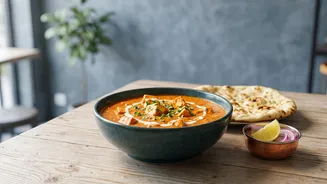
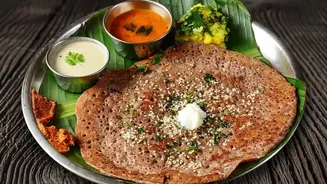
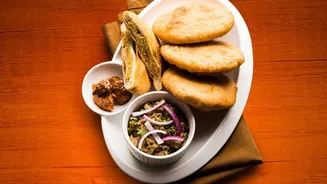
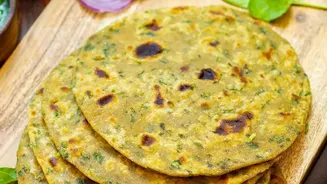
about identity. Diners are seeking out restaurants that specialize in specific regional cuisines, from the subtle spices of Coorg to the unique produce of the Northeast. This trend reflects a broader cultural shift where 'local' is seen as a premium attribute. Brands that highlight the provenance of their ingredients and share the cultural stories behind their dishes are finding a loyal audience tired of generic offerings.
A Post-Pandemic Shift in Priorities
The pandemic fundamentally changed our relationship with food. Health and hygiene became paramount, leading many to favour local eateries where sourcing and preparation felt more transparent and trustworthy. There was also a strong emotional component; as communities faced lockdowns, a powerful 'Vocal for Local' sentiment emerged, encouraging people to support small, neighbourhood businesses to help them survive. This desire to support one's community, coupled with a renewed focus on fresh, seasonal produce for boosting immunity, created a fertile ground for local brands to flourish. The convenience of ordering in also solidified new habits, with many discovering local gems through delivery apps.
Social Media: The Great Equaliser
If you've discovered a new favourite restaurant through Instagram Reels, you're not alone. Social media has become the single most powerful discovery tool for food in India. Platforms like Instagram and Facebook have levelled the playing field, allowing a small cafe with a tiny marketing budget to compete with a multinational chain. Visually driven content, from beautifully shot plates of food to behind-the-scenes kitchen action, creates an emotional connection that traditional advertising cannot. Food bloggers and influencers hold immense sway, with a single positive review capable of driving significant footfall. Over 78% of people in India now search for restaurants online before deciding where to eat, making a strong digital presence non-negotiable.
Technology and New Business Models
Technology has done more than just help with marketing; it has revolutionised restaurant operations. The rise of cloud kitchens—restaurants that operate exclusively for delivery—has drastically lowered the barrier to entry. This allows chefs and entrepreneurs to launch a food brand without the massive upfront investment required for a traditional dining space. Digital ordering systems, QR code menus, and efficient delivery aggregators have streamlined operations and expanded customer reach beyond the immediate neighbourhood. Furthermore, this tech-enabled ecosystem has fueled the Direct-to-Consumer (D2C) boom, allowing new packaged food brands to build a direct relationship with their customers, bypassing traditional retail channels entirely.