


Start with the Easiest Wins: Herbs
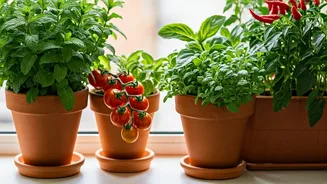
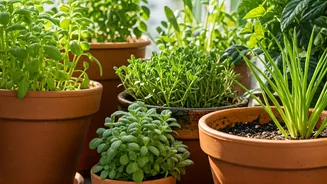
The fastest way to build your gardening confidence is to grow something you can use immediately. Herbs are the perfect starting point. A small pot of mint (pudina) on your windowsill can supply your chai and chutneys for months. Coriander (dhania) is another
fantastic choice; you can harvest leaves as needed and enjoy a flavour that store-bought bunches can never match. Don’t forget curry leaves (kadi patta)! A single, healthy plant in a medium-sized pot will give you fresh leaves for your tadka all year round. These plants are relatively low-maintenance, require minimal space, and provide an immediate, rewarding connection to the food you cook.
The Holy Trinity: Tomato, Chilli, Brinjal
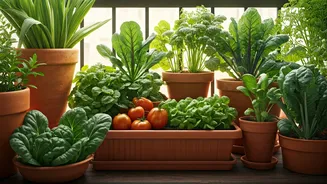
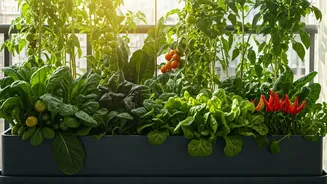
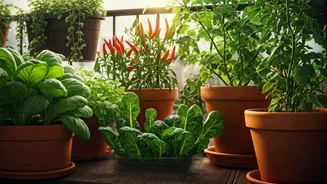
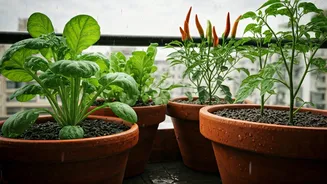
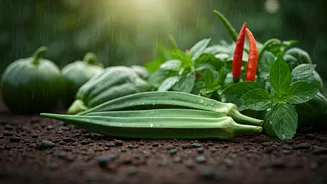
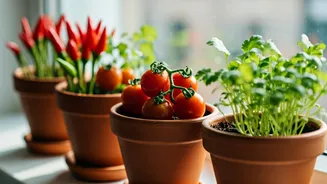
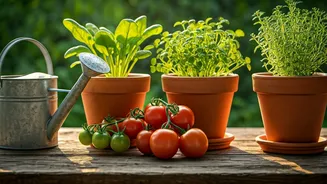
Ready to move beyond herbs? Many of our daily cooking staples can thrive in containers. A single tomato (tamatar) plant in a 10-12 inch pot can yield a surprising amount of fruit. Choose a determinate or bush variety, which stays more compact. Green chillies (hari mirch) are practically designed for pot culture; they are prolific and love the sun. A couple of plants will keep your spice needs covered. Even a small brinjal (baingan) variety can be grown in a large pot (at least 12-15 inches). The key is providing a sturdy stake for support as the plant grows and starts to bear fruit. The taste of a sun-ripened tomato plucked right before cooking is a revelation.
Don't Forget Your Leafy Greens
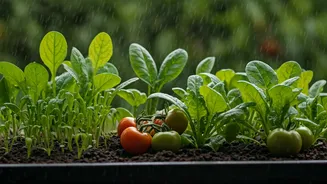
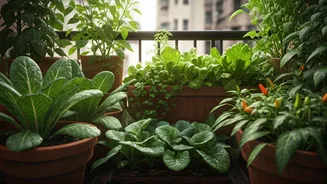
If you love palak paneer or simple saag, you must try growing your own spinach (palak). It grows quickly in wide, shallow containers and you can harvest the outer leaves continuously, allowing the plant to keep producing. This ‘cut-and-come-again’ method means you can have a steady supply of fresh greens for weeks from a single sowing. Other leafy greens like amaranth (chaulai) and fenugreek (methi) are also excellent candidates for container gardening. They don't require deep soil and their fast growth cycle provides a quick and satisfying harvest.
The Foundation: Pot, Soil, and Sun
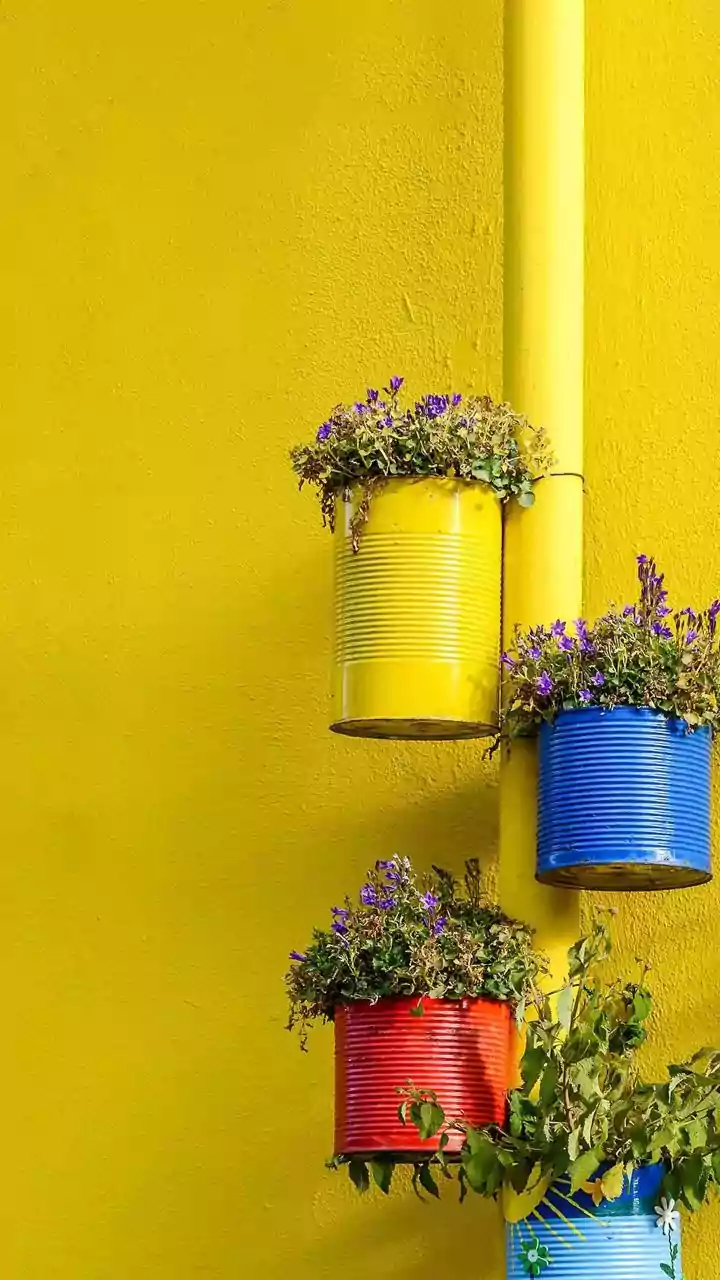
Your success depends on three things. First, the pot. Ensure any container you use—terracotta, plastic, or a grow bag—has drainage holes at the bottom. Root rot from waterlogged soil is the number one killer of potted plants. Second, the soil. Don't just use garden soil, which compacts easily. A good potting mix is light and airy. You can buy it ready-made or mix your own using equal parts soil, compost (like vermicompost), and cocopeat. This blend provides nutrients, retains moisture, and allows roots to breathe. Third, sunlight. Most food-producing plants need at least 5-6 hours of direct sunlight. Observe your balcony or windowsill throughout the day to find the sunniest spot before you place your pots.
Watering and Feeding Basics
The golden rule of watering is to check the soil first. Stick your finger about an inch deep into the soil. If it feels dry, it's time to water. If it's damp, wait another day. Overwatering is a more common mistake than underwatering. Water thoroughly until you see it running out of the drainage holes. Potted plants have limited access to nutrients, so you’ll need to feed them. Mixing compost into your initial soil mix provides a good start. After a month or so, you can supplement with a weekly dose of liquid fertiliser, like diluted Jeevamrutham or a balanced commercial feed, to keep your plants healthy and productive.