
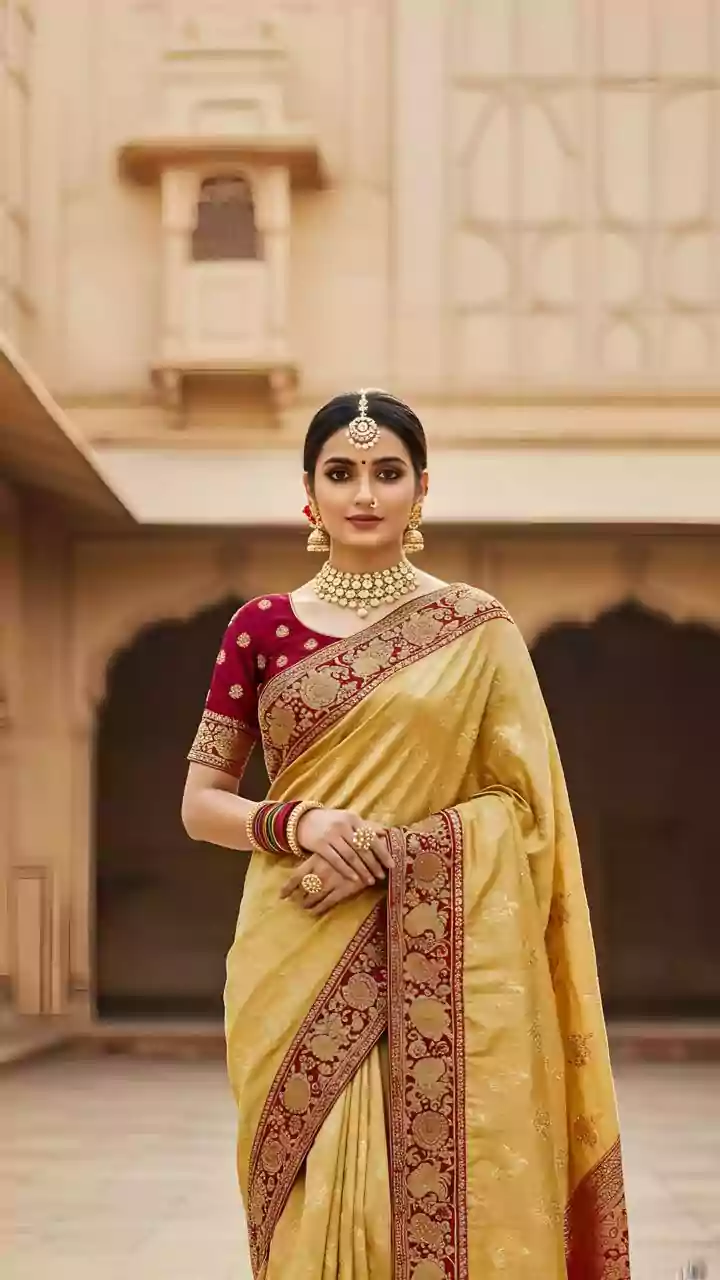

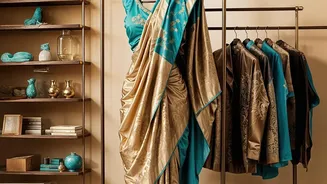
A quiet revolution is taking over Indian streets and wardrobes. Once reserved for saris and special occasions, traditional handlooms are now the fabric of choice for a new generation, showing up in the most unexpected and stylish ways.
From Heirlooms to High Street
The perception of
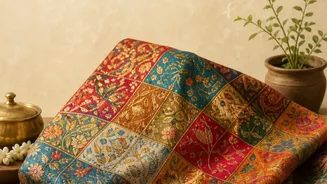
handloom is shifting dramatically. What many once associated with their grandmother's closet is now being embraced as effortlessly cool. This isn't just about preserving tradition; it's about reinventing it. A growing number of young Indians are looking beyond the fleeting trends of fast fashion, seeking clothes that tell a story and express a unique identity. They are finding that story in the rich textures and histories of fabrics like Khadi, Ikat, and Jamdani. Designers and indie brands are responding, moving these heritage textiles out of the occasion-wear box and into everyday life, crafting them into pieces that feel both personal and contemporary.
The Streetwear Remix
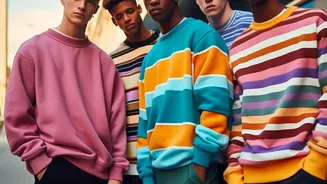
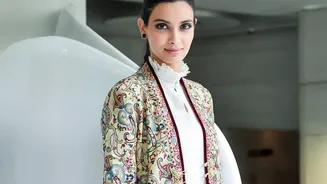
The most exciting part of this revival is the fusion with streetwear. The relaxed, rebellious spirit of streetwear, with its hoodies, bomber jackets, and oversized silhouettes, provides the perfect canvas for the intricate patterns of Indian textiles. Imagine a classic Bandhani print on a bomber jacket, Ajrakh block prints on sneakers, or a lightweight Khadi co-ord set. This blend creates a unique 'Desi streetwear' identity that feels both globally relevant and deeply rooted in Indian culture. It's a style that allows for self-expression, pairing a kurta-inspired jacket with sneakers or draping a handwoven stole over a graphic tee, creating looks that are proudly and stylishly hybrid.
Why the Shift? Conscience and Connection
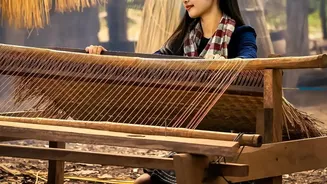
This trend is driven by more than just aesthetics. For many young shoppers, choosing handloom is a conscious decision. There's a growing awareness of the environmental and ethical toll of fast fashion, leading to a demand for sustainable, slow-fashion alternatives. Handloom, with its use of natural fibers and manual production processes, fits this need perfectly. Furthermore, social media has created a direct link between consumers and the artisans behind the craft. Brands are sharing the stories of their weavers, allowing buyers to feel a connection to the garment's origin and the people who made it. This transparency and storytelling make the clothes more meaningful than any mass-produced item.
More Than a Passing Trend
While fashion is cyclical, the move towards handloom feels like a more permanent shift in values. It represents a generation's desire to connect with its cultural heritage while forging a modern identity. It’s a rebellion against the homogeneity of global fashion, a way to stand out with something authentic. By wearing and reimagining these textiles, young Indians are not just making a style statement; they are actively participating in the preservation and evolution of centuries-old crafts. They are ensuring that these traditions don't just survive in museums but thrive on the streets, woven into the fabric of contemporary life.