






The Ripple Effect of a Global Slowdown
A global economic slowdown isn't just a headline from another country; it has real, tangible effects everywhere. It means that major economies like the US, China, and Europe are buying less, investing less, and producing less. For a country like India,
which is deeply integrated into the world economy, this translates into weaker demand for its exports, from software services to manufactured goods. Foreign companies may also delay or cancel investments, and international trade volumes shrink. When businesses that rely on global customers see their orders dry up, their profits take a direct hit. This is the first link in the chain connecting a distant economic problem to domestic finances.
How Company Profits Affect Tax Collection
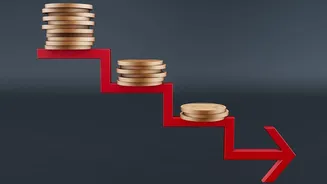
The single largest source of revenue for many governments is corporate tax—a tax on company profits. When businesses earn less due to a global slowdown, their tax bills naturally decrease. Lower profits mean lower tax payments flowing into the government's coffers. It's a direct and immediate impact. Furthermore, when companies are facing uncertainty and declining revenues, they pull back on expansion and hiring. This leads to fewer new jobs and potentially even job losses, which in turn reduces the collection from personal income tax, another crucial revenue stream for the government. The slowdown hits the two main pillars of direct taxation simultaneously.
The Impact on Consumption and GST
Economic uncertainty makes everyone more cautious. When job security is a concern and business profits are down, both individuals and companies tighten their belts. People spend less on discretionary items like cars, electronics, and holidays, while businesses cut back on their own spending. This reduction in overall consumption has a significant effect on indirect tax collections, primarily the Goods and Services Tax (GST). GST is levied on the sale of goods and services, so when people buy less, the government collects less. Similarly, as international trade slows, collections from customs duties—taxes on imported goods—also fall. This creates a triple blow to government revenues: lower corporate tax, lower income tax, and lower indirect taxes.
The Unyielding Nature of Government Spending
While revenue is falling, government expenditure rarely follows the same path. In fact, during a slowdown, the pressure to spend often increases. Governments are committed to paying salaries, pensions, and interest on past debts. Furthermore, they are expected to step in and support the economy. This can involve launching stimulus packages, increasing spending on social welfare schemes to help those who have lost jobs, and funding infrastructure projects to create employment and stimulate demand. These actions, known as automatic fiscal stabilizers, are designed to cushion the economic blow but require significant financial resources precisely when income is at its lowest.
Borrowing: The Inevitable Bridge
This gap between falling revenue and steady or rising expenditure is known as the fiscal deficit. To bridge this gap, the government has to borrow money. It does this by issuing bonds, which are essentially IOUs that promise to repay the borrowed amount with interest at a future date. These bonds are bought by banks, insurance companies, pension funds, and even foreign investors who see government debt as a safe investment during uncertain times. While necessary to maintain public services and stabilize the economy, this increased borrowing adds to the national debt. For India, managing the fiscal deficit is a key priority, with targets often set to keep it within a certain percentage of GDP to ensure long-term financial health.