





The Why Behind The Annual Ritual
For generations, kitchens across India have ramped up production of pickles (achaar), chutneys, and preserves in the weeks leading up to the monsoon. The reasons are both practical and cultural. Historically, heavy rains made travel difficult and limited
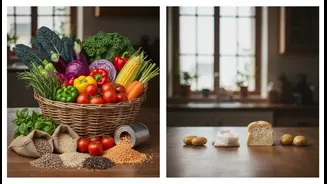
the availability of fresh vegetables. Preserving the last of the summer produce was a way to ensure flavourful and varied meals throughout the wet months. The high humidity of the season also presents challenges, making it crucial to prepare and store dry goods like spices and lentils in airtight containers to prevent mould and spoilage. This annual stocking up, known as 'Purument' in Goa, is a tradition rooted in foresight and rhythm, ensuring the pantry is ready for the downpours.
Achaar: The Reigning King of Condiments
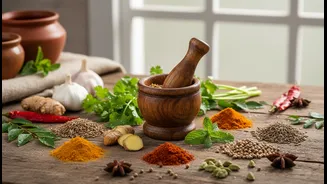
At the heart of monsoon prep is the art of pickling. The undisputed star is the raw mango pickle, or 'aam ka achaar'. The end of summer provides the last batch of tart, green mangoes, perfect for pickling. Kitchens come alive with the scent of mustard oil, fenugreek, fennel, and chilli powder as large ceramic jars, or 'barnis', are filled with these spiced mangoes to cure. Regional variations abound, from Kerala’s tiny 'kanni manga' pickle made with baby mangoes to Rajasthan’s unique eggplant pickle ('baingan ka achaar'). Other popular choices include spicy green chilli pickle and tangy lemon pickle, both of which add a much-needed kick to simple monsoon meals.
Chutneys and More: An Arsenal of Flavour
Beyond pickles, a wide array of chutneys and pastes are prepared to elevate everyday food. A simple meal of dal and rice or khichdi can be instantly transformed by a spoonful of a fiery condiment. Popular preparations include garlic chutney, zesty tomato chutney, and the versatile coriander-mint green chutney that pairs perfectly with monsoon snacks like pakoras and samosas. Many households also prepare sweet and tangy chutneys, like one made from dates and tamarind, which offers a different flavour profile. These chutneys are often made in batches and stored, providing an instant flavour boost on gloomy, rainy days.
From Kitchen Counters to Social Feeds
What was once a household activity is now a full-blown social media phenomenon. Food bloggers and home cooks proudly display their colourful creations online, sharing recipes, tips, and beautifully styled photos of their jarred preserves. The feed is filled with Reels demonstrating the entire process, from sourcing the perfect raw mangoes to the final step of sealing the jars. This digital sharing has introduced these age-old traditions to a new generation, transforming a seasonal chore into a shareable, aesthetic, and communal experience. It’s a celebration of culinary heritage, where a grandmother’s secret recipe can now be liked, shared, and saved by thousands.
How to Join the Tradition
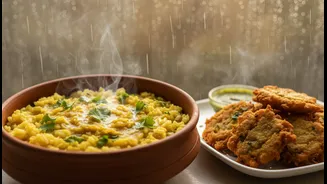
Feeling inspired? You don’t need to make enormous batches to participate. Start small with a simple lemon pickle or a quick green chutney. The key is using dry, clean utensils and airtight jars to prevent moisture from spoiling your creations, a particularly important step during the humid monsoon months. Many classic recipes for monsoon snacks, like onion bhajiya or roasted corn (bhutta), are simple to make and pair wonderfully with these homemade condiments. Engaging in this tradition, even on a small scale, is a delicious way to connect with the season and the comforting, nostalgic flavours that define the Indian monsoon.