




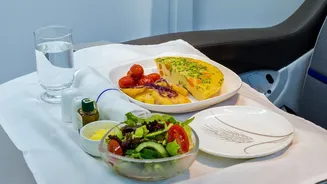

It’s a familiar traveller’s lament: the in-flight meal that looks passable but tastes disappointingly bland. Before you blame the airline's kitchen, consider this: it might not be the food, but the very environment you're eating it in.
A Hostile Environment for Flavour
The inside of an
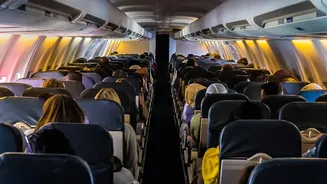
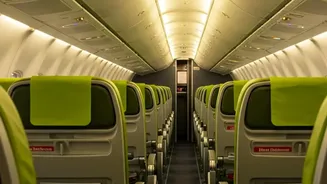
airplane cabin at 35,000 feet is an extreme environment for the human body. To keep the aircraft structurally sound, cabins are pressurised to the equivalent of being on a mountain at an altitude of 6,000 to 8,000 feet. This lower air pressure is combined with extremely low humidity—often less than 12%, which is drier than most deserts. Add to that the constant, loud hum of the engines, which can be as loud as 85 decibels. This trio of low pressure, dry air, and loud noise creates a perfect storm that systematically dismantles our ability to perceive taste and smell as we would on the ground.
Pressure and Dryness Numb Your Senses
The combination of low pressure and desert-dry air is the primary culprit behind bland-tasting food. Studies have shown this environment can reduce our perception of saltiness and sweetness by as much as 30 percent. The low humidity is particularly damaging because flavour is overwhelmingly driven by smell—some say by as much as 80 percent. As your nasal passages dry out in the arid cabin air, your olfactory receptors become less effective, preventing aroma molecules from the food from being properly detected. Your mouth also produces less saliva, which is essential for taste buds to register dissolved flavour compounds. The effect is so pronounced that it's often compared to trying to taste food when you have a bad cold.
The Unexpected Role of Noise
While pressure and humidity dull our senses, the constant engine noise plays its own strange role in altering flavour. Research from institutions like Oxford University has found that loud background noise, similar to that in a plane cabin, specifically suppresses our ability to taste sweet and salty flavours. However, the same noise has a different effect on another core taste: umami. This is the savoury, rich flavour found in ingredients like tomatoes, mushrooms, and parmesan cheese. Studies have revealed that loud noise doesn't just leave umami perception untouched; it can actually enhance it. This phenomenon helps explain why so many passengers suddenly crave a Bloody Mary or a simple tomato juice in the air, a drink they might rarely order on the ground.
How Texture Perception Changes
The assault on our senses also changes how we perceive food texture. With our sense of smell and taste so compromised, texture becomes a much more dominant part of the eating experience. The same loud noise that dulls sweetness can, surprisingly, make foods seem crunchier. Research has shown that amplifying the sound of a crunch, like from a potato chip, leads people to perceive it as fresher and crisper. Conversely, the extremely dry cabin air can have a negative impact. Foods that are not well-sealed or inherently moist can quickly lose their moisture, making them taste stale or dry. A sandwich bread that was soft on the ground can feel tough and dry by the time it's unwrapped at cruising altitude. Furthermore, without the full bouquet of aromas and tastes, the mouthfeel of foods like sauces or pasta can seem less satisfying or one-dimensional.
Airlines Are Adapting with Science
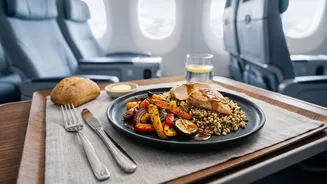
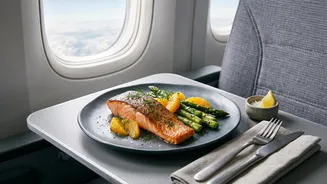
Airlines and their caterers are well aware of this science and are actively designing menus to counteract the effects of the cabin environment. Knowing that sweet and salty flavours are suppressed than chefs intentionally add more seasoning to inflight meals than they would for a restaurant on the ground. They also lean heavily on ingredients that are naturally rich in umami since that flavour profile holds up well and can even be enhanced. This is why you will often find dishes featuring tomato based sauces mushrooms aged cheeses and curries on inflight menus. Some airlines have even experimented with 'sonic seasoning', creating playlists designed to enhance certain flavours while you eat. It’s a culinary strategy born from necessity ensuring that your meal at 35 thousand feet is as flavourful as science will allow.