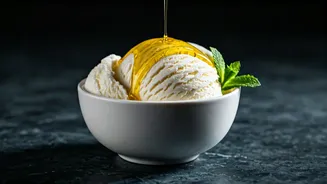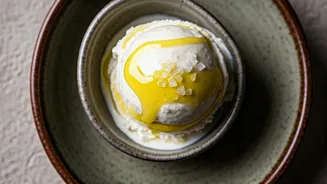




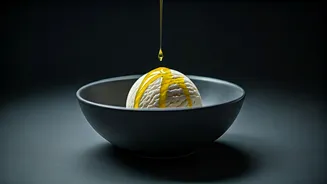


An Unlikely, Yet Perfect, Trio
The idea of putting savory, grassy olive oil and sharp sea salt on sweet, creamy ice cream can be jarring at first. In many Western cultures, these ingredients are firmly in the realm of salads and pastas, not dessert. Yet, in Mediterranean countries,
particularly Italy, the combination is a classic treat. The recent surge in popularity on social media has brought this chef's secret into home kitchens, proving that some of the most unlikely pairings create the most memorable flavour experiences. The logic is surprisingly simple: it’s all about balance and complexity. The fat from the olive oil, the sweetness from the ice cream, and the sharp salinity from the salt all interact on the palate in a way that enhances each element. It’s a lesson in flavour layering, proving that a little contrast can go a long way.
The Scientific Power of Salt
Salt is a natural flavour enhancer, but its role in this combination goes beyond just making things taste 'more'. On a scientific level, salt has the unique ability to suppress bitterness and, in small quantities, amplify our perception of sweetness. This happens because a specific receptor on our taste buds, known as SGLT1, transports sugar into our taste cells more effectively when sodium is present. This is why a pinch of salt makes caramel richer and chocolate more complex. In the case of ice cream, the salt doesn’t just add a saline kick; it actively works to dial down any subtle bitterness in the vanilla or cream and turn up the volume on the inherent sweetness, making the ice cream taste more like itself.
The Luxurious Role of Olive Oil
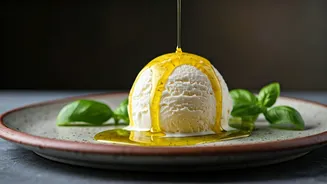
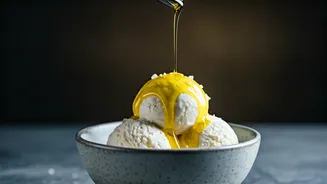
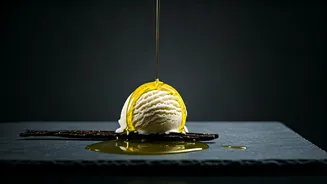
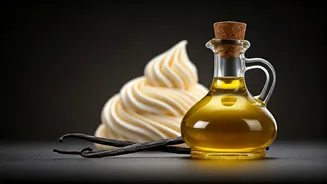
Not just any oil will do; the key is a high-quality, extra-virgin olive oil (EVOO). Unlike refined oils, a good EVOO is packed with aromatic compounds and polyphenols that can have fruity, grassy, or peppery notes. When drizzled over cold ice cream, the oil thickens slightly without fully freezing, creating a silky, almost buttery coating that provides a luxurious mouthfeel. This added fat brings its own dimension, contrasting with the dairy fat of the ice cream. A robust, peppery olive oil can cut through the richness, while a fruitier, more delicate one can complement the vanilla's floral notes. This addition of a 'different kind of fat' is what many chefs say provides a whole new dimension to the dessert.
Vanilla: The Perfect Blank Canvas
While this combination can work with other flavours like chocolate or strawberry, vanilla is considered the classic for a reason. A good vanilla ice cream is a study in subtlety—creamy, sweet, and with a delicate floral aroma. It acts as the perfect neutral, yet flavorful, backdrop for the bold personalities of olive oil and sea salt. The vanilla provides a creamy base that allows the grassy notes of the oil and the sharp crunch of the salt to truly shine without competing for attention. It's the canvas that lets the other two ingredients perform their magic, turning a simple scoop into a complex, multi-layered dessert.
Getting the Combination Just Right
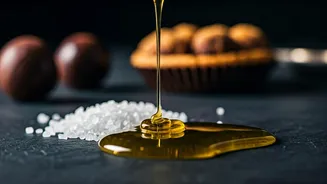
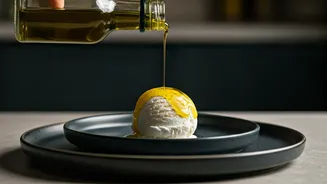
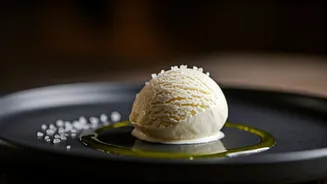
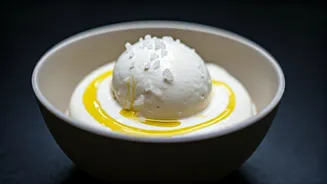
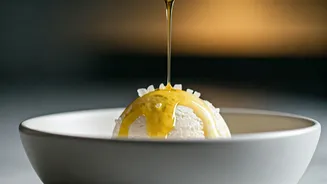
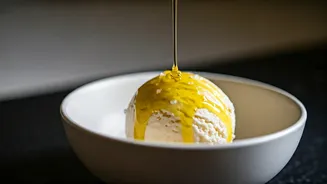
To try this at home, start with a high-quality vanilla ice cream. Let it sit on the counter for a minute or two to soften slightly. Choose an extra-virgin olive oil that you enjoy the taste of on its own—a robust, grassy oil from Spain or a peppery one from Italy will add wonderful complexity. Drizzle about a teaspoon over a scoop of ice cream. The final, crucial touch is the salt. Opt for a flaky sea salt, like Maldon or fleur de sel. These pyramid-shaped crystals provide not just flavour but a satisfying crunch that contrasts beautifully with the smooth ice cream and silky oil. A small pinch is all you need to complete this simple, yet sophisticated, dessert.